• Thai-listed company DV8 has announced plans to build a corporate treasury of 10,000 Bitcoin.
• DoorDash, Chainlink & Oblong Market Shifts Guide (2026)
• Blockchain AI Convergence: Fact-Check & Market Guide (2026)
• Polygon's mainnet will undergo the Giugliano upgrade on April 8.
• PsiQuantum has started building its million-qubit quantum facility. Scientists say a machine this po
• Anthropic Discontinues Subscription Support for Third-Party Tools
• XRP ETF Forecasts & Bitmine’s $20B ETH Bet: 2026 Analysis
• Crypto & Tech Market Trends 2026: Pi, XRP, Robotaxi Safety
• DoorDash, Chainlink & Oblong Market Shifts Guide (2026)
• SEC v. Ripple Case Ends: XRP Outlook & Monero 51% Attack (2026)
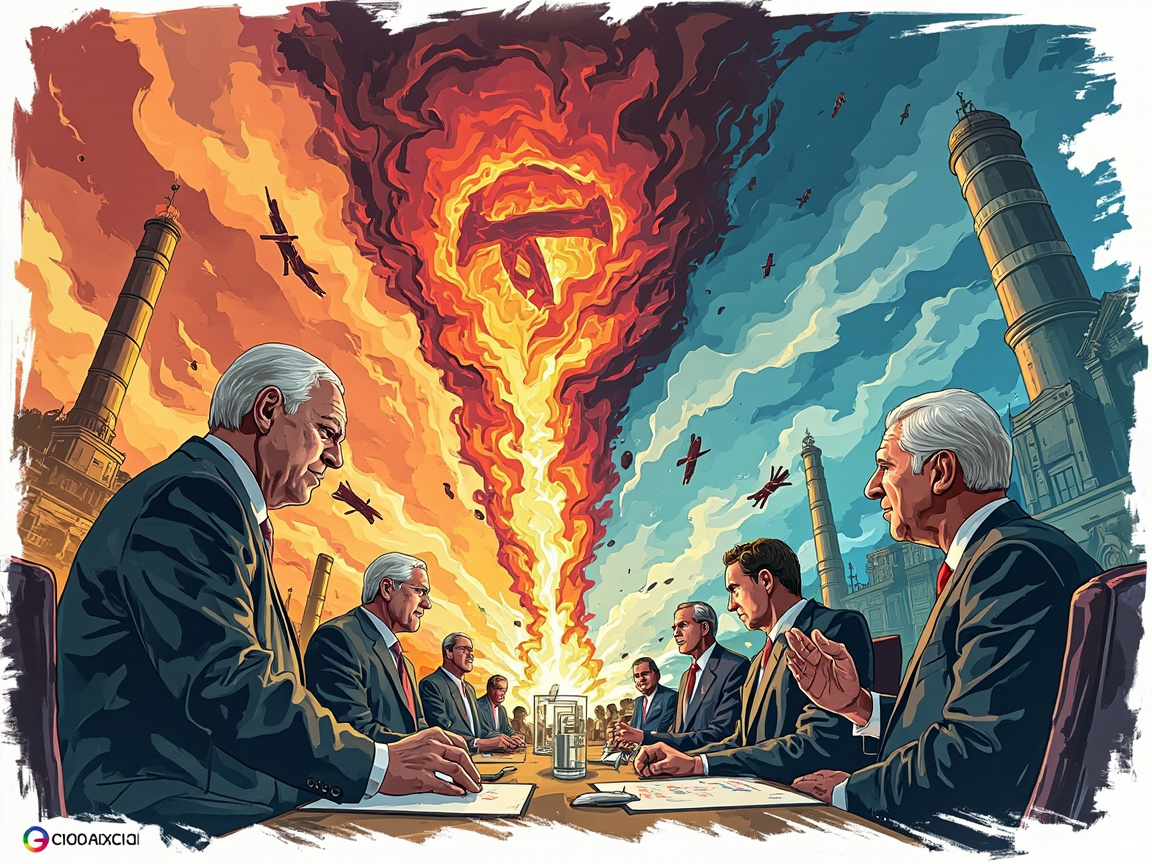
The Strait of Hormuz is open again.

This critical global oil chokepoint has resumed operations, delivering immediate market relief: the S&P 500 surged to a record high, while crude oil prices dropped. On the surface, it's a classic risk-off reaction—equities up, commodities down.
But look closer. **This reopening is tied to a temporary ceasefire that expires on April 22.**
## What's the Market Celebrating?
Traders are betting that reduced geopolitical risk and lower energy costs will continue fueling the stock rally. The logic is straightforward: with supply disruption fears temporarily eased, corporate cost pressures decline, profit margins expand, and capital flows into equities.
Oil markets reacted even more directly. June crude expectations softened as traders unwound supply disruption bets. Lower oil prices, higher stocks—this is the market honestly pricing "short-term risk removed."
But the celebration might be premature.
## The Catch: It's All About Timing
The ceasefire expires on April 22. That means current market optimism rests on an extremely fragile timeline. While the strait has reopened politically, actual vessel traffic hasn't fully recovered—operational constraints remain.
The market is currently trading a "temporarily safe" expectation. If the ceasefire isn't extended or talks collapse after April 22, today's gains could reverse just as sharply.
Oil markets already show caution. Prices dropped, but traders haven't fully relaxed—everyone knows the countdown clock is still ticking.
## What to Watch Next
Don't get distracted by daily moves. Focus on two things over the next month:
**1. Pre-April 22 negotiation progress.**
Any developments will directly impact oil prices and equity volatility. Substantive peace talks or clear signals of ceasefire extension would support further "risk-off" pricing. Stalled or deteriorating negotiations would expose current gains as fragile.
**2. Actual strait traffic data.**
Political agreements are just paper. Whether ships can pass smoothly is what matters. If transit efficiency remains sluggish or operations face renewed disruption, oil will rebound and stocks will feel pressure.
These two factors will drive market sentiment in coming weeks.
## The Real Game Begins After April 22
Current market celebration essentially bets on a "temporary safety window." After April 22, the rules change.
If the ceasefire extends or leads to more stable agreements, today's stock gains and oil declines could find fundamental support—creating genuine trend opportunities.
But if the ceasefire collapses and tensions return, markets will reverse quickly. Oil would rebound sharply, and equity gains would be repriced against renewed geopolitical risk.
Don't rush to conclusions. Current action is just the prelude.
## Bottom Line for Crypto Readers
The transmission chain is clear: geopolitical risk affects oil prices, which influence inflation expectations and global liquidity, ultimately impacting risk asset pricing.
Markets are trading "temporary risk removal" now, but April 22 is the key pivot point. Until then, stocks may stay strong while oil remains pressured. Afterward, everything depends on negotiation outcomes.
Watch the ceasefire's fate—not daily price moves. It determines whether this market sentiment continues partying or suddenly shifts direction.
Remember: markets don't fear bad news; they fear uncertainty. April 22 marks the next uncertainty checkpoint.
| DISCLAIMER: The information on this website is provided as general market commentary and does not constitute investment advice. We encourage you to do your own research before investing. |
Recommended reading



Markets
2026-03-24
Markets
2026-02-26
Markets
2026-03-23
Latest News