• Thai-listed company DV8 has announced plans to build a corporate treasury of 10,000 Bitcoin.
• DoorDash, Chainlink & Oblong Market Shifts Guide (2026)
• Blockchain AI Convergence: Fact-Check & Market Guide (2026)
• Polygon's mainnet will undergo the Giugliano upgrade on April 8.
• PsiQuantum has started building its million-qubit quantum facility. Scientists say a machine this po
• Anthropic Discontinues Subscription Support for Third-Party Tools
• XRP ETF Forecasts & Bitmine’s $20B ETH Bet: 2026 Analysis
• Crypto & Tech Market Trends 2026: Pi, XRP, Robotaxi Safety
• DoorDash, Chainlink & Oblong Market Shifts Guide (2026)
• SEC v. Ripple Case Ends: XRP Outlook & Monero 51% Attack (2026)
Trump-Iran Uranium Standoff Escalates: Why Bitcoin Investors Should Watch Geopolitical Risk
2026-04-18 06:27:02
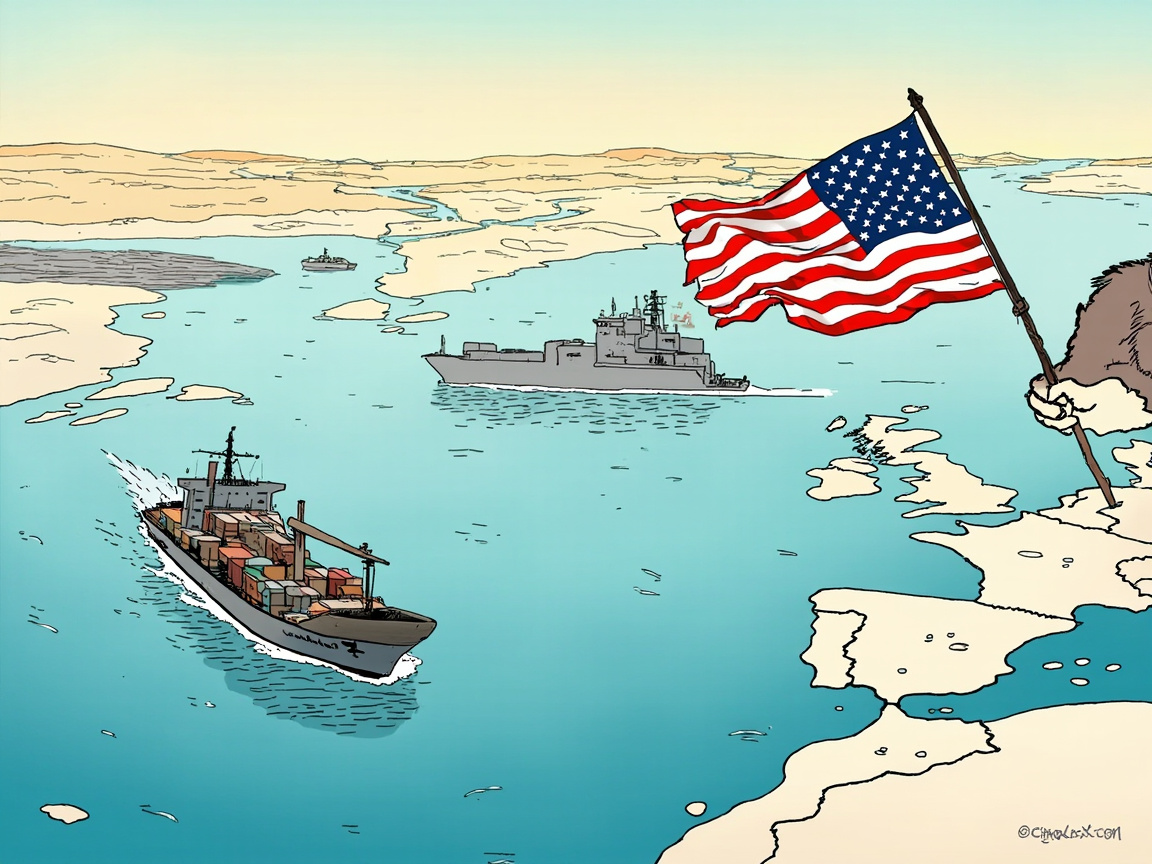
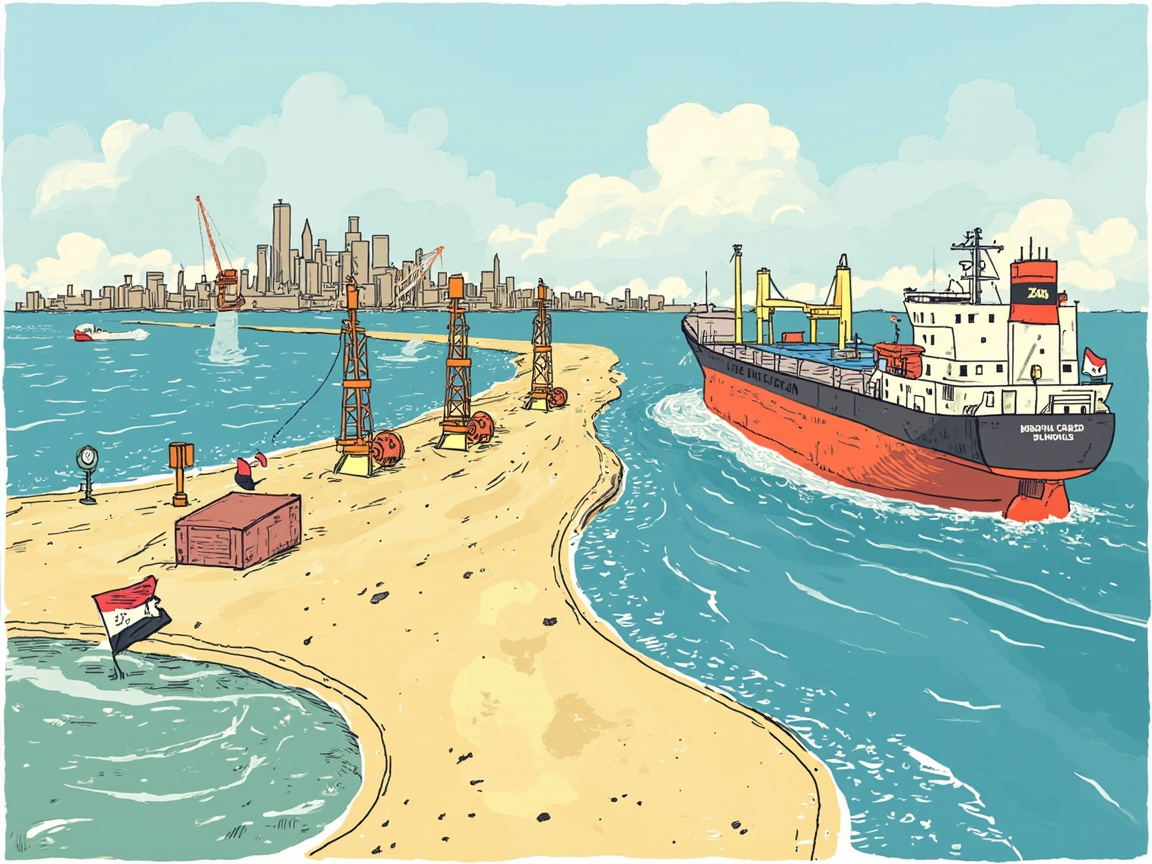
President Trump claimed on the 17th that Iran would cooperate to remove enriched uranium from its territory "without sending troops." Hours later, Iran’s foreign ministry spokesperson flatly refused to ship uranium abroad. This exchange isn’t just diplomatic noise—it signals that **geopolitical risk is being repriced**, and Bitcoin is one of the most sensitive gauges for that shift.

### Beyond Uranium: The Real Story Is Risk Premium
Trump’s "no troops" pledge and Iran’s refusal create a classic diplomatic deadlock. While not an immediate trigger for war, it sustains uncertainty—something markets hate. For traditional assets, this means oil volatility, dollar strength, and Middle East asset revaluations. For crypto, especially Bitcoin, it points to something more direct: **a shift in safe-haven capital flows**.
Recall 2019: U.S.-Iran tensions pushed Bitcoin up over 20% in a week, mirroring gold. The logic hasn’t changed—when trust between nations erodes, non-sovereign assets get rediscovered.
### Why Iran’s Refusal Matters
Iran isn’t just defending sovereignty; it’s keeping uranium as a bargaining chip. The demand for "compensation for losses" reveals the play: use uranium as leverage to ease economic pressure. That means **negotiations will drag on**, prolonging uncertainty. For crypto investors, this isn’t bad news. Geopolitical risk acts like a chronic condition—each flare-up forces capital to rethink where it’s safe. Bitcoin’s "digital gold" narrative turns into real demand.
### Can Trump’s "No Troops" Be Trusted?
Trump said "no troops" but left room for other actions. Cooperation with Iran is already off the table per Tehran’s response. More telling is his claim that Iran agreed to stop funding Hezbollah and Hamas. If true, it signals a major concession; if not, it’s part of the bargaining. Either way, **U.S.-Iran tensions have entered a new phase but are far from over**.
For markets, risk premiums won’t fade quickly. Bitcoin’s price may already reflect some geopolitical risk, but not enough—if talks break down or surprises emerge, safe-haven demand could spike.
### What Investors Should Monitor
Ignore the headlines. Watch these three indicators:
**1. Oil prices** – Iran is a major producer. Tensions affect supply expectations. Rising oil lifts inflation fears, benefiting both traditional havens (gold) and alternatives (Bitcoin).
**2. Dollar index** – Geopolitical risk typically boosts the dollar. A muted rise suggests controlled risk; a sharp jump signals spreading fear. Bitcoin’s inverse correlation with the dollar often strengthens during crises.
**3. Bitcoin on-chain data** – Large transfers, exchange flows, and holding patterns reveal whether retail is chasing or institutions are positioning. Geopolitically driven moves usually show unusual chain activity.
### What Comes Next?
Short-term, expect more "diplomatic combat"—statements, sanctions, proxy maneuvers. This creates a "comfortable uncertainty": risk exists but isn’t exploding. Mid-term, the key pivot is the U.S. election in November. A Trump win may mean harder lines; a Biden victory could revive talks. Markets will price this in early.
Long-term, geopolitical fragmentation is the trend. Declining trust and deglobalization make Bitcoin’s non-sovereign nature increasingly valuable.
### The Bottom Line
This standoff hits a nerve in global risk pricing. While traditional investors crunch oil supplies and dollar rates, crypto investors should see deeper: the world is shifting from "growth-first" to "security-first." When safety demands rise, Bitcoin isn’t an optional extra—it’s a necessary hedge.
Don’t ask if Bitcoin will rise. Ask where capital runs when risk hits. Sometimes it’s the dollar, sometimes gold, and increasingly, it could be Bitcoin. Whether Iran ships uranium or not is secondary; what matters is that low-risk environments are fading. Bitcoin is built for a high-risk era.
Here’s the reality: geopolitical risk won’t kill Bitcoin—it will make it stronger. Every crisis prompts the same question: "What asset is truly mine?" The answer is already in the code.
| DISCLAIMER: The information on this website is provided as general market commentary and does not constitute investment advice. We encourage you to do your own research before investing. |
Recommended reading
Markets
2026-03-24
Markets
2026-02-26
Markets
2026-03-23
Latest News