• Thai-listed company DV8 has announced plans to build a corporate treasury of 10,000 Bitcoin.
• DoorDash, Chainlink & Oblong Market Shifts Guide (2026)
• Blockchain AI Convergence: Fact-Check & Market Guide (2026)
• Polygon's mainnet will undergo the Giugliano upgrade on April 8.
• PsiQuantum has started building its million-qubit quantum facility. Scientists say a machine this po
• Anthropic Discontinues Subscription Support for Third-Party Tools
• XRP ETF Forecasts & Bitmine’s $20B ETH Bet: 2026 Analysis
• Crypto & Tech Market Trends 2026: Pi, XRP, Robotaxi Safety
• DoorDash, Chainlink & Oblong Market Shifts Guide (2026)
• SEC v. Ripple Case Ends: XRP Outlook & Monero 51% Attack (2026)
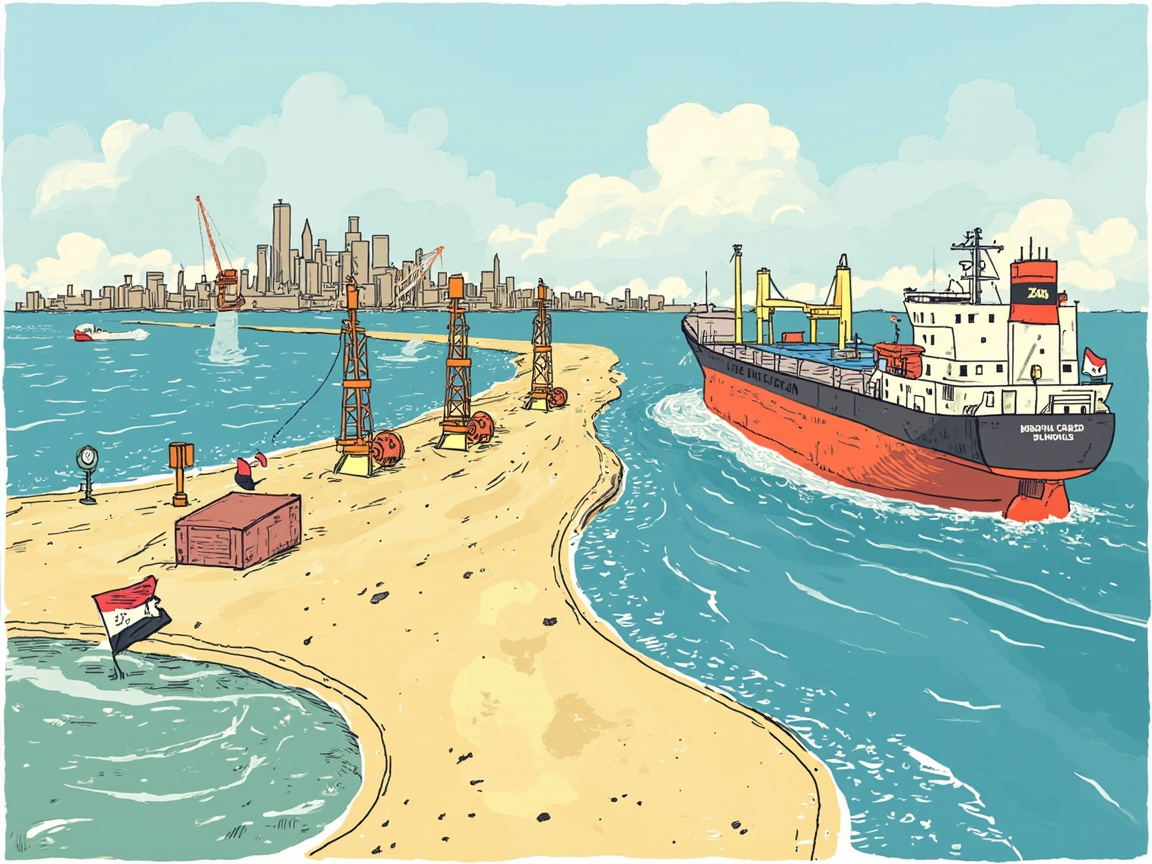
Iraq Resumes Oil Exports: Geopolitical Risk Fades, But Market's Paper-Thin Liquidity Exposed
2026-04-18 04:44:25
**Iraq has restarted oil exports through the Strait of Hormuz after a one-month disruption—on the surface, a clear sign that tensions among Iran, the U.S., and Israel are cooling. But the real takeaway isn’t geopolitics; it’s what the market’s reaction exposes: liquidity so thin that even minor tremors can send prices swinging wildly.**
## The Export Resumption Is Already Priced In
When news broke on April 30 that Iraq was resuming shipments, the market barely blinked. Prediction market indices actually dropped about 10 points in a day. That tells you everything: traders had already expected a resolution, viewing the April timeline with skepticism.
Iraq’s willingness to restart flows suggests Iran is at least somewhat cooperative, reducing near-term escalation risks. But the market isn’t celebrating—because the real risk isn’t *whether* exports resume, but *how long* stability lasts.
## Thin Liquidity Is the Real Time Bomb
Look at the data:
- As of April 30, daily notional trading volume in related prediction markets was $24,906
- But actual cash volume was just $2,086
- Order book depth stood at a mere $354—enough to move prices by 5 points
What does this mean? This market is a house of cards. Even small trades can trigger outsized price moves—less a functioning market, more a prelude to a stampede.
## What to Watch: Liquidity Signals, Not Geopolitical Noise
Traders’ core question is straightforward: Is Iran genuinely committed to keeping the Strait open, or could new provocations reverse progress overnight?
But watching geopolitical statements isn’t enough. U.S. Fifth Fleet or Iranian Revolutionary Navy announcements matter, but the market’s own health is more critical.
**Focus on:**
1. **Whether cash trading volume recovers**—if it stays at one-tenth of notional volume, this market is a paper tiger
2. **If order book depth can support trades**—$354 depth can’t handle a decent hedge
3. **How the market prices British naval movements**—current demand sits at just 9.5%, showing traders see almost no chance of near-term action
## What Comes Next? Expect More Volatility
Iraq’s export restart lowers short-term risk but doesn’t fix the underlying issue. The market will compensate for liquidity risk with sharper swings.
That means:
- Minor news could trigger big moves—not because the news matters, but because the market is too thin
- Hedging costs will rise—no one wants to be the counterparty in such a shallow pool
- The real signal isn’t geopolitical posturing, but whether commercial shipping volumes sustain their increase
## The Real Cut: Market Structure, Not Geopolitics
Geopolitical risk was never the biggest threat—structural market flaws are. When order book depth is $354, every “call” becomes a gamble.
Investors shouldn’t be predicting Iran’s next move; they should assess whether they can handle this structural volatility. If a small trade can shift prices 5 points, position sizing needs to be three times more cautious than usual.
**Remember this: In an illiquid market, no analysis outweighs one unexpected order.**
## Reality Check: Geopolitical Cooling Is Good, But Don’t Get Excited
Iraq’s export resumption is a positive signal, but the market’s reaction shows smart money already priced it in. The real test now: How long does this détente last? Can market liquidity improve?
If liquidity stays thin, any geopolitical progress will be distorted in pricing. Investors should watch their trading screens’ bid-ask depth more closely than tankers in the Strait.
Geopolitical risk may be fading, but market risk is heating up—that’s the most realistic path for the next three months.
| DISCLAIMER: The information on this website is provided as general market commentary and does not constitute investment advice. We encourage you to do your own research before investing. |
Recommended reading




Markets
2026-03-24
Markets
2026-02-26
Markets
2026-03-23
Latest News