• Thai-listed company DV8 has announced plans to build a corporate treasury of 10,000 Bitcoin.
• DoorDash, Chainlink & Oblong Market Shifts Guide (2026)
• Blockchain AI Convergence: Fact-Check & Market Guide (2026)
• Polygon's mainnet will undergo the Giugliano upgrade on April 8.
• PsiQuantum has started building its million-qubit quantum facility. Scientists say a machine this po
• Anthropic Discontinues Subscription Support for Third-Party Tools
• XRP ETF Forecasts & Bitmine’s $20B ETH Bet: 2026 Analysis
• Crypto & Tech Market Trends 2026: Pi, XRP, Robotaxi Safety
• DoorDash, Chainlink & Oblong Market Shifts Guide (2026)
• SEC v. Ripple Case Ends: XRP Outlook & Monero 51% Attack (2026)
Hamster Combat's Daily Missions: Not Free Rewards, But User Loyalty Tests
2026-04-18 03:52:24
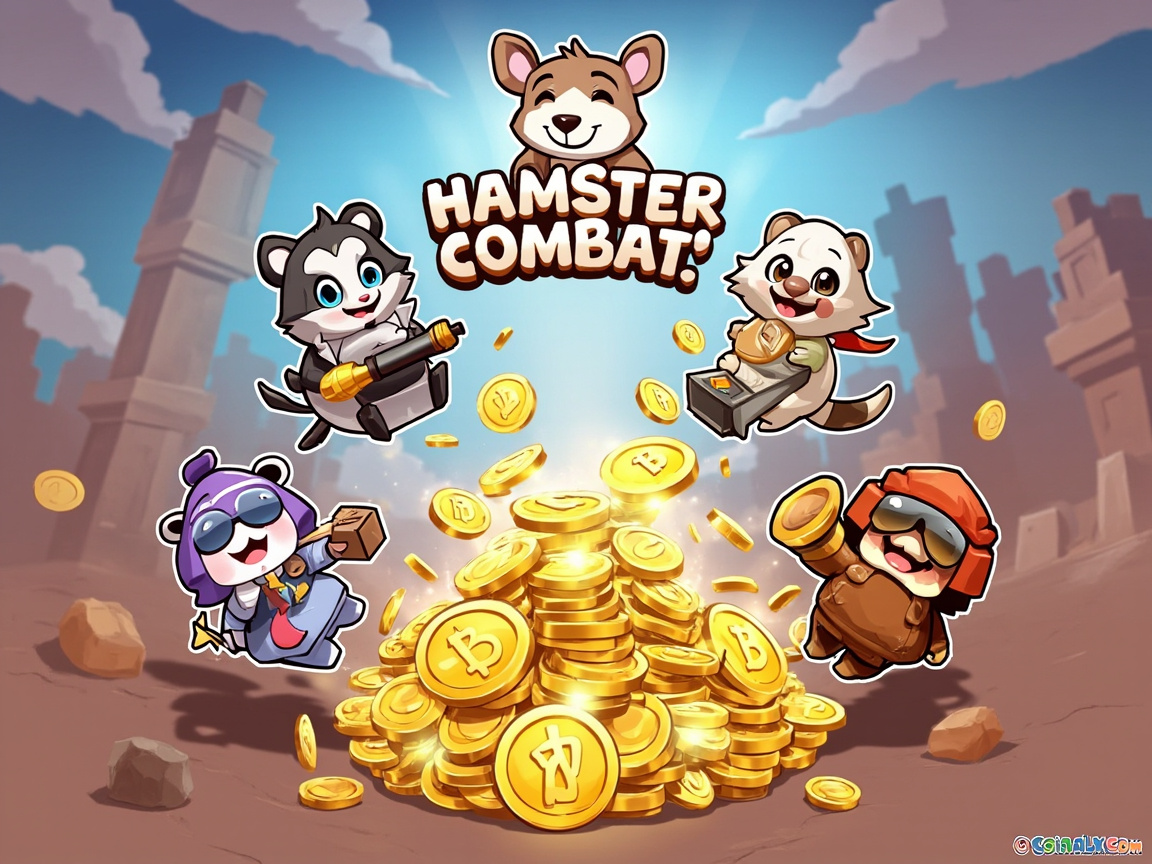
Hamster Combat recently launched daily missions on Telegram where players can earn 5 million in-game coins by completing specific card combinations. On the surface, it looks like free rewards, but the real question isn't about the coins—it's about how many players will log in daily for this "sweetener."
## What's Really Happening Here?
The core of these daily missions isn't generosity—it's retention.
The tasks are simple: visit the mining area daily, purchase or upgrade cards according to specific combinations, and claim your 5 million coins. The catch? Missions reset daily with new requirements.
This means players must log in every day, check new requirements, and complete actions. Doing this once or twice is easy, but what about consistently for weeks or months? The project is using daily missions to filter out casual players and identify truly active users who form daily habits.
This isn't a reward program—it's a loyalty test.
## What This Means for Players
If you're a casual player, grabbing those 5 million coins might be worthwhile. But if you're heavily invested in Hamster Combat—whether with time or resources—you need to look deeper.
**First, the game's economy is under pressure.**
5 million coins daily per player isn't trivial. If many players complete these missions simultaneously, in-game coin supply will surge rapidly. Short-term, this makes upgrades easier and progression faster. Long-term, without proper consumption mechanisms, inflation becomes inevitable.
Will upgrade costs increase? Will rare cards become harder to obtain? These are real risks.
**Second, user stratification has begun.**
Players who complete daily missions consistently versus occasional loggers are already two distinct groups in the project's eyes. The former are more likely to receive exclusive events, testing opportunities, or even airdrops. The latter risk gradual marginalization.
This isn't speculation—many gamified projects follow this playbook: use daily tasks to identify core users, then allocate resources accordingly.
## What Comes Next?
**Short-term, daily missions will continue.**
The project needs data—how many players log in daily? What's their retention rate? Does completing missions boost their activity? This data will determine future adjustments: increased rewards, added difficulty, or complete removal.
**Medium-term, the game economy faces its first stress test.**
If players keep earning 5 million coins daily, in-game resource prices may fluctuate. The project will either adjust coin consumption (through pricier cards or features) or modify mission rewards (reducing coins or adding restrictions).
Either adjustment directly impacts player experience and profit expectations.
**Long-term, Hamster Combat is building its "user pyramid."**
The top tier consists of hardcore players who log in daily and complete all tasks. The middle includes occasional participants who claim partial rewards. The bottom comprises infrequent, low-interaction users.
Once this pyramid solidifies, all future activities, rewards, and privileges will be distributed accordingly.
## What Investors Should Watch
**First, monitor player retention data.**
If daily missions significantly boost average online time and login frequency, the mechanism works, and the project may increase investment. If data remains unchanged, expect quick adjustments or removal.
**Second, track in-game economic indicators.**
Are exchange rates between coins, cards, and resources changing? Is obtaining rare cards becoming harder or easier? These metrics reflect the game economy's health.
**Third, watch the project's next moves.**
Will Hamster Combat introduce more complex daily missions? Add leaderboards or competitive elements? Link daily missions to future token airdrops? These actions reveal the project's true intent—short-term activity boosts or long-term ecosystem building.
## The Bottom Line
Daily missions aren't rewards—they're hooks.
They use 5 million coins to lure daily logins while stress-testing the game economy. Players get coins; the project gets data and user habits.
For casual players, grabbing rewards is fine, but don't expect to get rich. For serious participants, consider: do you want to be bound by daily tasks or maintain freedom?
The core of gamified projects isn't "play"—it's "design." Hamster Combat is designing its user system and economic model, with daily missions as the first puzzle piece. What comes next depends on the project's next move.
One thing's certain: projects that consistently attract daily logins have the best chance of lasting.
| DISCLAIMER: The information on this website is provided as general market commentary and does not constitute investment advice. We encourage you to do your own research before investing. |
Recommended reading







Markets
2026-03-24
Markets
2026-02-26
Markets
2026-03-23
Latest News