• Thai-listed company DV8 has announced plans to build a corporate treasury of 10,000 Bitcoin.
• DoorDash, Chainlink & Oblong Market Shifts Guide (2026)
• Blockchain AI Convergence: Fact-Check & Market Guide (2026)
• Polygon's mainnet will undergo the Giugliano upgrade on April 8.
• PsiQuantum has started building its million-qubit quantum facility. Scientists say a machine this po
• Anthropic Discontinues Subscription Support for Third-Party Tools
• XRP ETF Forecasts & Bitmine’s $20B ETH Bet: 2026 Analysis
• Crypto & Tech Market Trends 2026: Pi, XRP, Robotaxi Safety
• DoorDash, Chainlink & Oblong Market Shifts Guide (2026)
• SEC v. Ripple Case Ends: XRP Outlook & Monero 51% Attack (2026)
Oil Price Warning Flashes Red, But Markets Yawn: What the Strait of Hormuz Standoff Really Reveals
2026-04-17 13:28:51
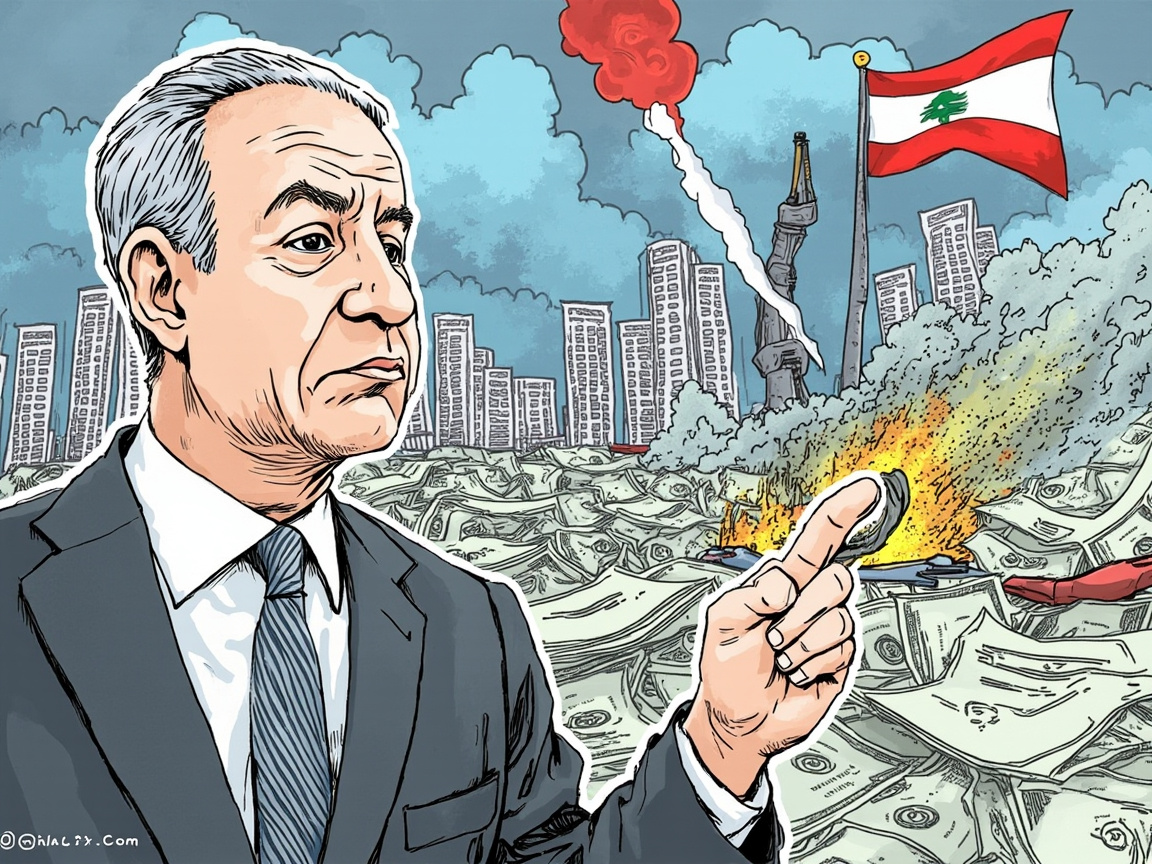
**The International Energy Agency (IEA) just sounded a stark warning: if the Strait of Hormuz stays shut, global oil prices could skyrocket.** This narrow chokepoint handles about 20% of the world's daily oil shipments—a theoretical recipe for market chaos. Yet, oil traders are shrugging it off. WTI futures show a 0% probability of hitting $160 by April. Why the disconnect?

**Markets Aren't Blind—They're Calculating**
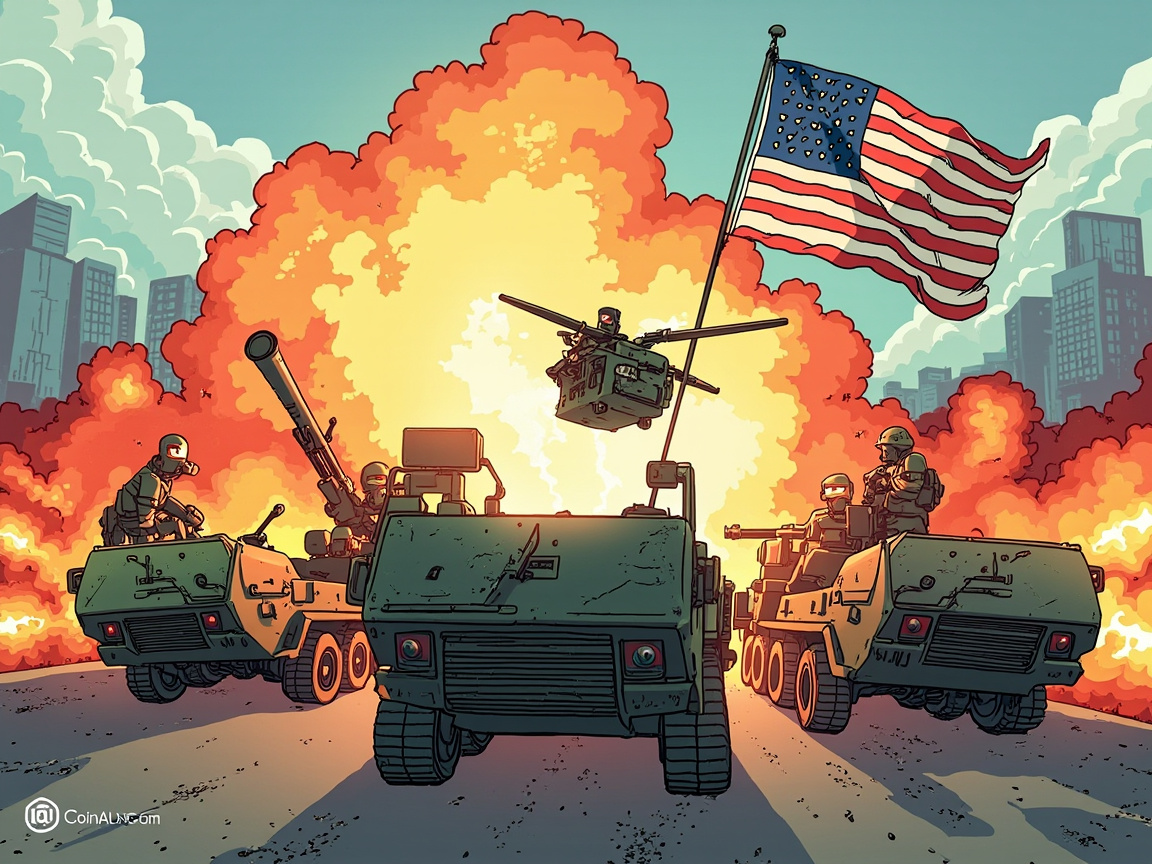
The IEA's alert ties directly to escalating tensions between Iran, the U.S., and Israel. A prolonged closure would genuinely threaten supply, making a price surge logical. But traders see this extreme scenario as "almost impossible." Here's the catch: prediction markets for these outcomes have near-zero volume. No liquidity means no real pricing power. The market isn't ignoring risk; it's waiting for someone to place a real bet.
**The Real Cut: Consensus vs. Reality**
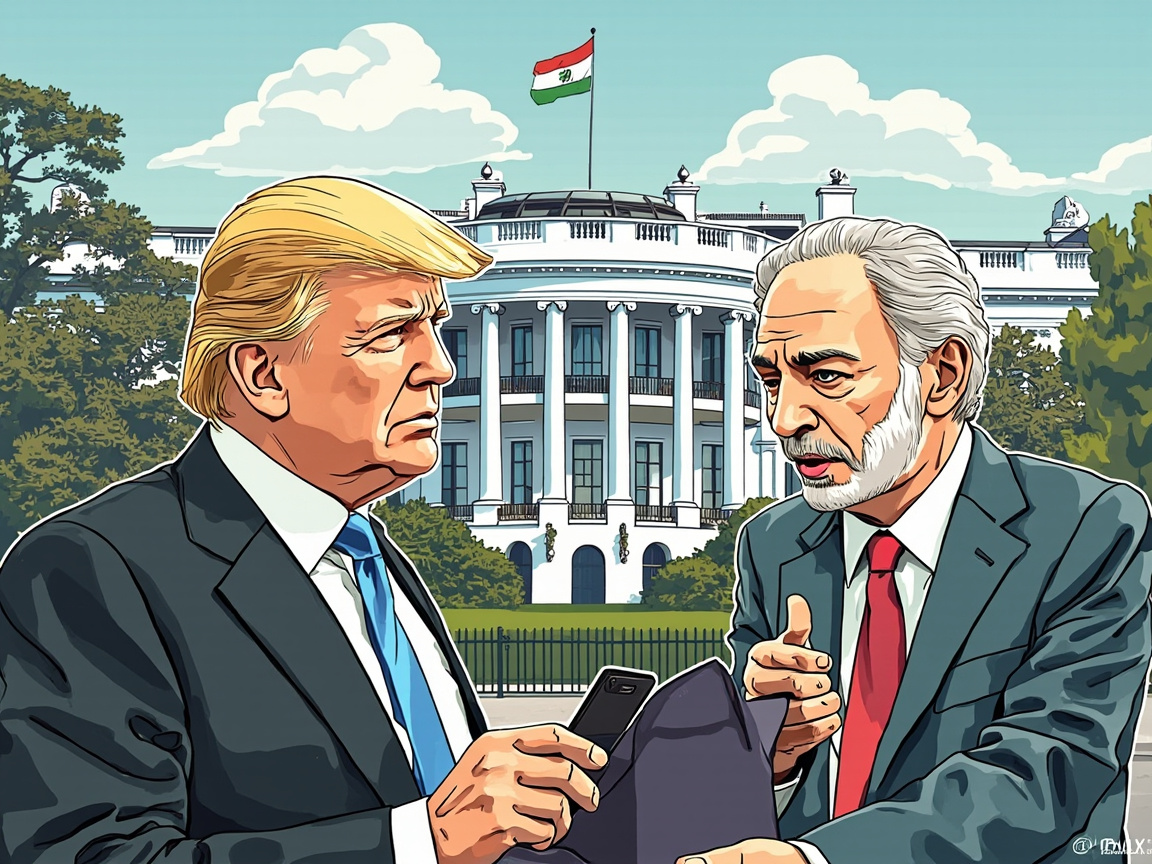
The warning highlights that geopolitical risk is now live, not hypothetical. But markets have priced in a consensus: the standoff will stay contained. Traders expect short-term disruptions, not a long blockade or full-blown war. Why? Key players—Saudi Arabia and the U.S.—have shown restraint. Their next moves (like Saudi production signals or U.S. intervention) could flip expectations overnight. For now, calm prevails, so markets assume the worst is avoidable.
**What Crypto Investors Should Watch**
For Bitcoin and crypto traders, this isn't about oil—it's about market mechanics and hidden triggers:
- **Liquidity traps:** Low volume in prediction markets means any surprise news could whip prices violently. Watch for large orders that shift sentiment instantly.
- **Key player signals:** Saudi or U.S. statements on production or military action will dictate the next move. These won't be telegraphed but will spark immediate reactions.
- **Timing windows:** The market hasn't priced in a June WTI target of $90 yet. If the Strait stays closed into May, supply shocks could make $90 likely—not just a distant target. Time is the critical variable.
**The Bottom Line**
The IEA's warning acts as a mirror: it reflects market consensus (situation under control) versus hidden divergence (how likely is chaos?). A 0% probability doesn't mean zero risk—it means markets don't see extreme outcomes with current data. But geopolitics rarely unfold linearly. A black swan—like escalated conflict or a prolonged blockade—would shatter today's assumptions.
**Short-term, oil will likely churn sideways.** Markets have absorbed "possible closure" but not "long-term shutdown." The $160 scenario stays dormant unless things deteriorate fast. **Medium-term, watch that $90 June target.** If tensions drag on, it could shift from outlier to baseline.
For crypto minds, the lesson is about consensus gaps. When everyone agrees "it won't happen," that's often when it does. Today's market apathy could be tomorrow's frenzy. Geopolitical risk isn't about *if*—it's about *when*. Ignoring it now might mean getting caught flat-footed later.
| DISCLAIMER: The information on this website is provided as general market commentary and does not constitute investment advice. We encourage you to do your own research before investing. |
Recommended reading




Markets
2026-03-24
Markets
2026-02-26
Markets
2026-03-23
Latest News