• Thai-listed company DV8 has announced plans to build a corporate treasury of 10,000 Bitcoin.
• DoorDash, Chainlink & Oblong Market Shifts Guide (2026)
• Blockchain AI Convergence: Fact-Check & Market Guide (2026)
• Polygon's mainnet will undergo the Giugliano upgrade on April 8.
• PsiQuantum has started building its million-qubit quantum facility. Scientists say a machine this po
• Anthropic Discontinues Subscription Support for Third-Party Tools
• XRP ETF Forecasts & Bitmine’s $20B ETH Bet: 2026 Analysis
• Crypto & Tech Market Trends 2026: Pi, XRP, Robotaxi Safety
• DoorDash, Chainlink & Oblong Market Shifts Guide (2026)
• SEC v. Ripple Case Ends: XRP Outlook & Monero 51% Attack (2026)
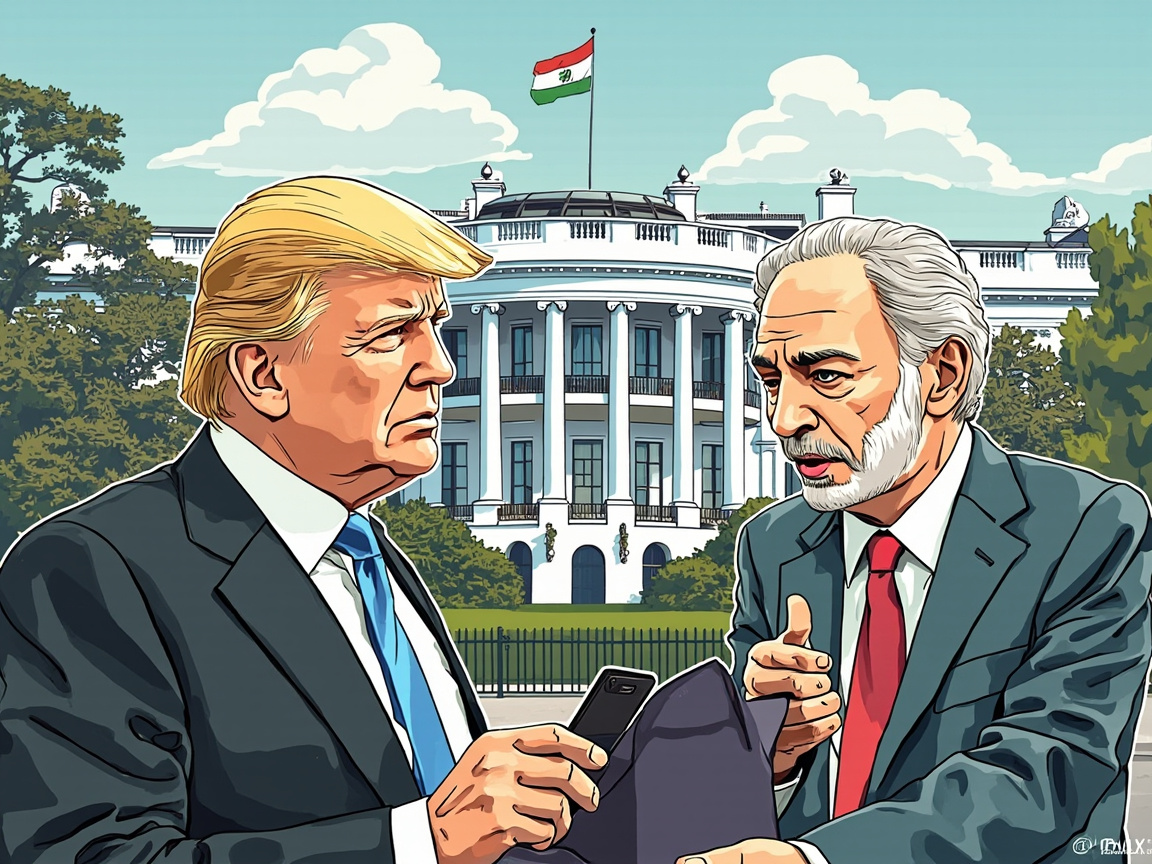
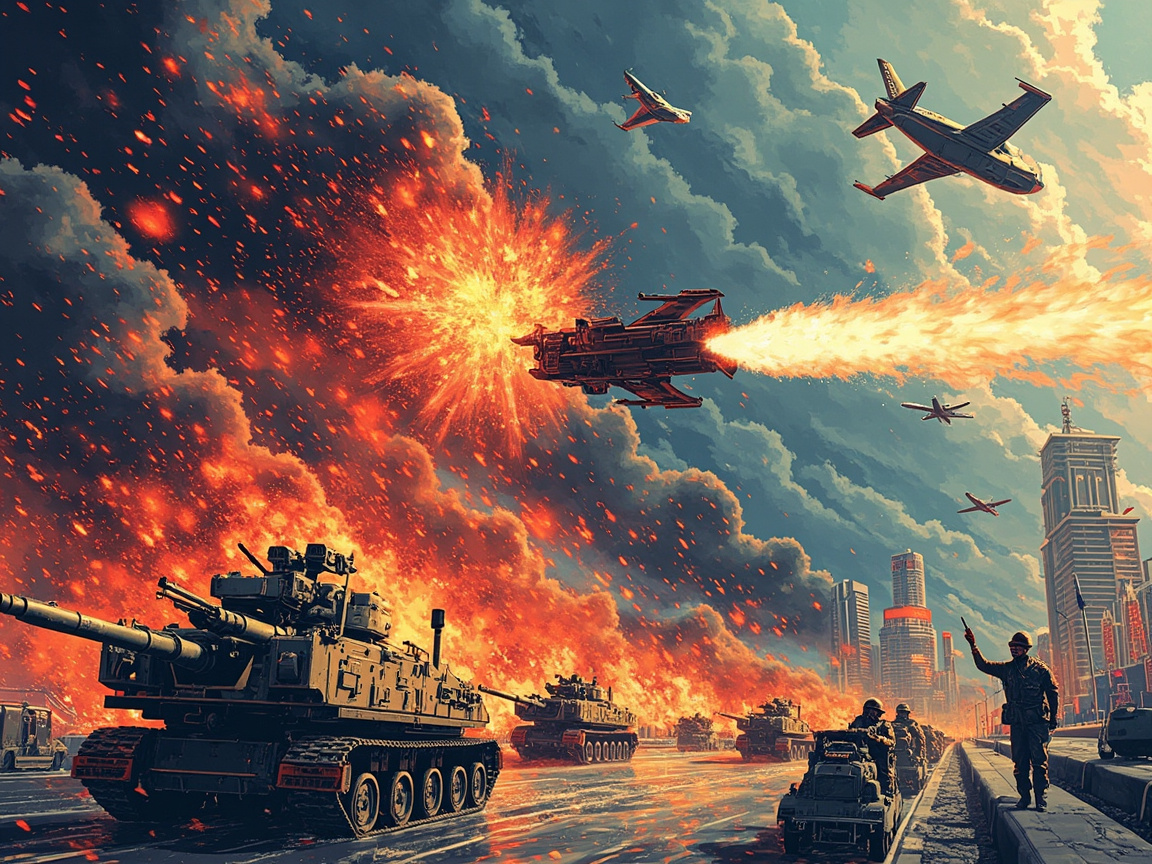
U.S. Military Moves Toward Iran: Crypto's Real Focus Isn't War—It's Certainty Pricing
2026-04-17 10:55:27
**U.S. forces are moving toward Iran despite diplomatic talk of de-escalation—a contradiction political analyst Robert Pape recently highlighted. Markets have already priced it in: prediction markets show 100% odds of U.S. troops entering Iran by April 30.**
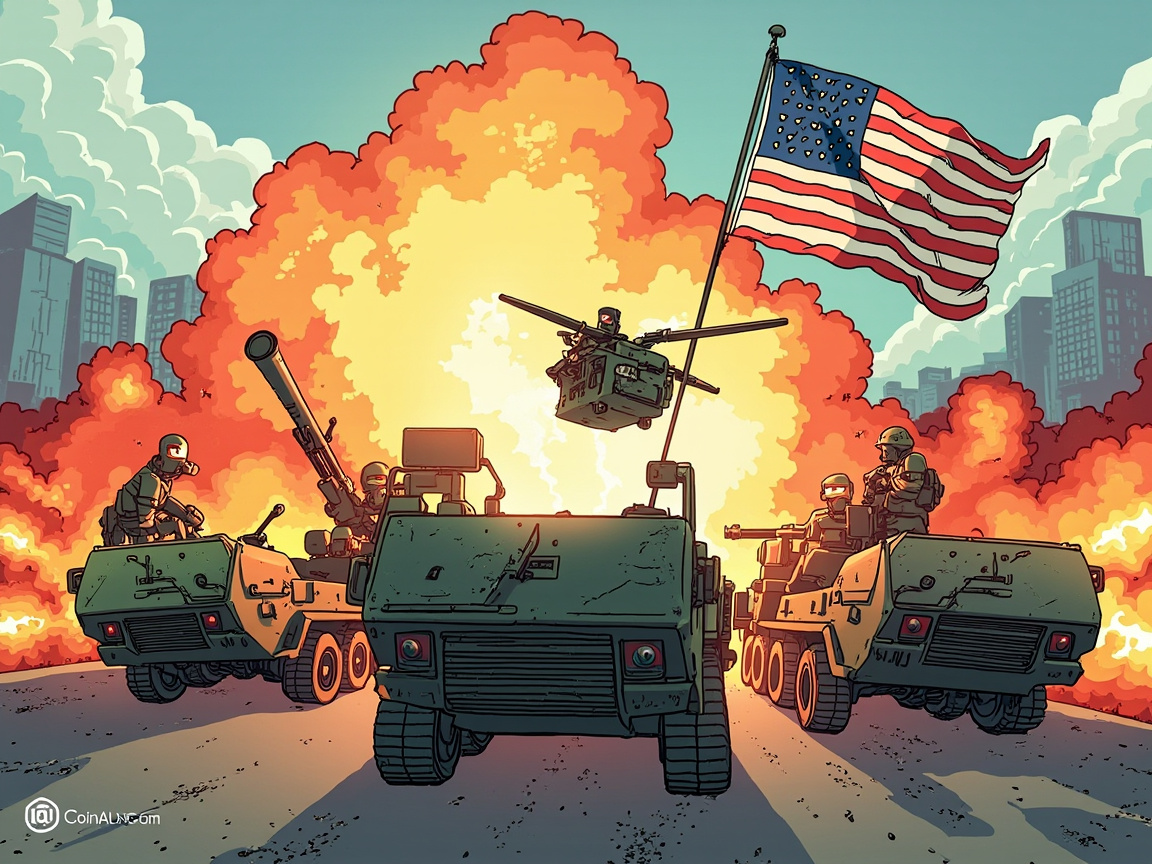
On the surface, this is geopolitical news. But for crypto watchers, the real takeaway is deeper: **When an event is 100% priced by markets, it ceases to be a risk and becomes a 'certainty tax.'** The question isn't 'will it happen?' but 'what price is the market paying for this certainty?'
## Ceasefire Fragile, but Markets Skip the 'If' Phase
Despite a nominal ceasefire earlier this month, military buildup continues. Pape's analysis cuts to the core: official statements diverge from on-ground actions, making the ceasefire likely just paper-thin.
Here's the key: traders haven't waited for boots on the ground. They've already priced in 'ground military action imminent' at 100% odds by April 30—and 100% again by December 31, implying markets expect conflict through year-end.
**This isn't prediction; it's pricing.** At 100% probability, markets stop debating 'will it happen?' and shift to 'what happens after?' For crypto, this mindset shift matters: geopolitical impacts often play out mostly during the expectation phase. When headlines finally hit, it's often 'buy the rumor, sell the news.'
## No Diplomatic Off-Ramp, Markets Vote with Their Feet
Pape notes a lack of credible diplomatic pathways. That explains markets' decisiveness: with no exit, price forward.
The current ceasefire is fragile, both sides on high alert. In this environment, de-escalation would require concrete moves or major breakthroughs—both low-probability. So markets choose the simplest logic: bet big.
**The signal for crypto: when traditional havens falter, where does money flow?** Gold, dollars, and Treasuries are obvious plays, but crypto often reacts earlier and more sharply. Bitcoin, especially, has increasingly acted as a geopolitical barometer—not because it's a safe haven, but because it's become a primary pool for liquidity overflow.
## 100% Pricing Leaves No Room for Contrarians
'100-cent market pricing reflects certainty, leaving no space for reverse bets.' Highlight that line.
Once markets reach consensus—especially extreme consensus—contrarian trades become low-probability gambles. You're fighting not just news, but market-wide conviction. In crypto, this shows up in metrics like contract open interest, funding rates, and fear-greed indices.
**So what to watch next?** Not whether troops advance, but whether pricing cracks emerge. Pentagon briefings, statements from defense officials or Central Command—any shifts in operational language or troop movements could loosen that 100% pricing. And that's when real volatility begins.
## Path Ahead: From Expectation Games to Fact Games
How this evolves breaks into two layers.
First, the event itself: U.S. advancement is already real; diplomatic talk is smoke. What matters is the pace and scale—deterrence deployment or actual offensive prep—which will shape how long market sentiment lasts.
Second, market dynamics: current 100% pricing already assumes the worst. Further escalation might bring muted reactions (because expectations are maxed); unexpected de-escalation could trigger sharp reversals. **Crypto's biggest risk here is 'reverse volatility after peak expectations.'**
## A Real-World Watchlist for Traders
Skip headlines; track these signals instead:
1. **Bitcoin-Gold correlation/decoupling:** Typically move together on geopolitical risk; if Bitcoin falls alone, it may signal liquidity issues.
2. **Stablecoin on-chain flows:** USDT and USDC movements, especially to exchanges, can hint at safe-haven or accumulation moves early.
3. **Perpetual swap funding rates:** Extreme positive rates often mean crowded longs—reversals can trigger rapid unwinding.
4. **U.S. stock market open reactions:** Especially defense and energy sectors, which feed into crypto's risk appetite.
## Bottom Line: Certainty Itself Is the Greatest Uncertainty
U.S. military moves toward Iran, markets respond with 100% pricing. The lesson for crypto: **when everyone believes something is inevitable, it rarely follows a simple script.**
Geopolitical conflicts aren't linear; they involve twists, miscalculations, and surprises. Crypto excels at amplifying volatility in those gaps.
So stop fixating on whether war breaks out. The real questions: what premium are markets paying for this 'certainty'? And when that certainty shakes, who gets left holding the bag?
Watch prices, not news. Prices already say what headlines won't.
| DISCLAIMER: The information on this website is provided as general market commentary and does not constitute investment advice. We encourage you to do your own research before investing. |
Recommended reading



Markets
2026-03-24
Markets
2026-02-26
Markets
2026-03-23
Latest News