• Thai-listed company DV8 has announced plans to build a corporate treasury of 10,000 Bitcoin.
• DoorDash, Chainlink & Oblong Market Shifts Guide (2026)
• Blockchain AI Convergence: Fact-Check & Market Guide (2026)
• Polygon's mainnet will undergo the Giugliano upgrade on April 8.
• PsiQuantum has started building its million-qubit quantum facility. Scientists say a machine this po
• Anthropic Discontinues Subscription Support for Third-Party Tools
• XRP ETF Forecasts & Bitmine’s $20B ETH Bet: 2026 Analysis
• Crypto & Tech Market Trends 2026: Pi, XRP, Robotaxi Safety
• DoorDash, Chainlink & Oblong Market Shifts Guide (2026)
• SEC v. Ripple Case Ends: XRP Outlook & Monero 51% Attack (2026)
Prediction Markets Got It 100% Right on Trump's Middle East Meeting—So Why Did Nobody Bet?
2026-04-17 10:24:38
**Prediction markets showed 100% confidence that Donald Trump would host Israeli and Lebanese leaders at the White House. The real story isn’t the accuracy—it’s the zero trades behind that number.**
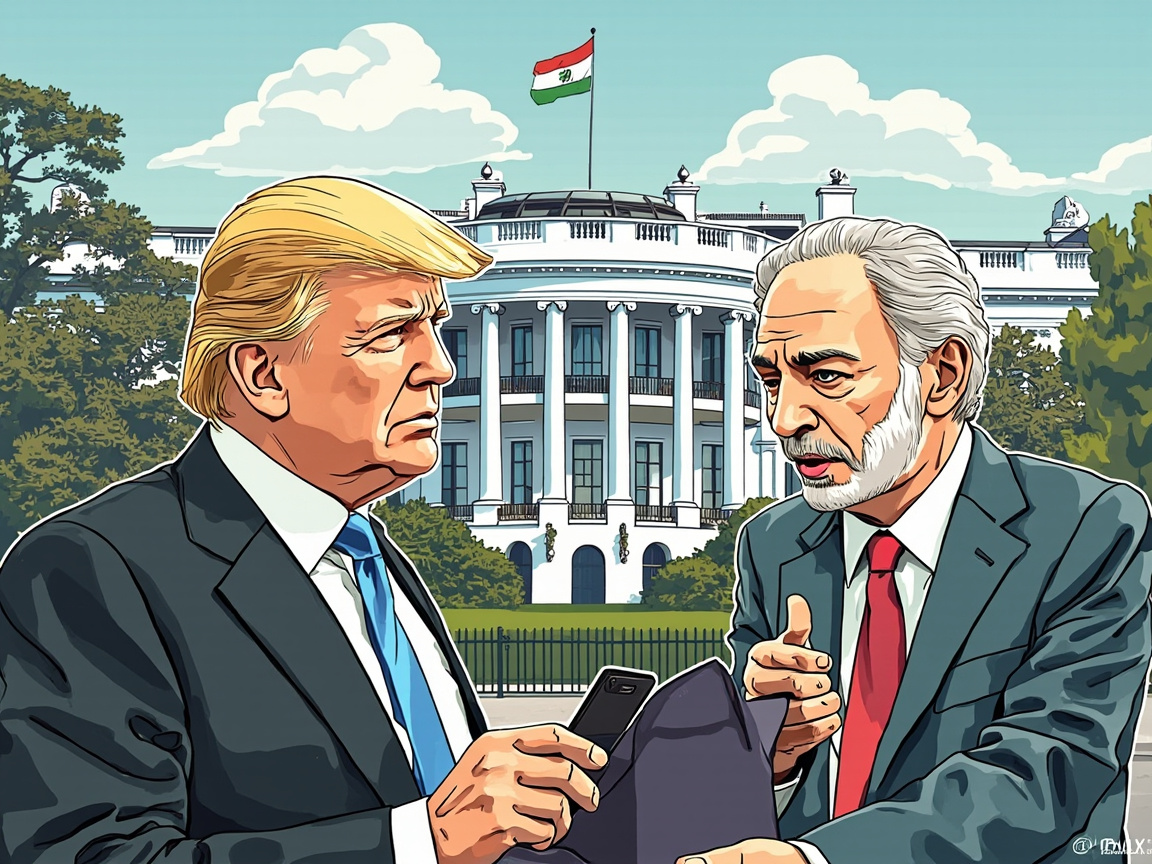
When news broke that Trump invited Israeli Prime Minister Benjamin Netanyahu and Lebanese President Michel Aoun for April 30 talks, prediction markets had already priced the event as a virtual certainty. On the surface, it looks like another win for crowd wisdom. But the **zero trading volume** tells a different tale: everyone agreed it would happen, yet nobody placed a real bet.
### Confidence Without Conviction
A 100% probability means traders collectively saw no scenario where the meeting wouldn’t occur. Border tensions, Trump’s mediation push—none of it introduced doubt into the contract.
But zero volume? That’s the market equivalent of a stadium full of raised hands with empty wallets. It signals hesitation—traders are waiting for a more concrete signal, likely official confirmation or detailed agendas. **The real volatility will come after the announcement, not before.**
This exposes a core weakness of prediction markets in politics: they can forecast *whether* something happens, but struggle to price *what it means*.
### Political Theater vs. Real Stakes
Trump’s invitation fits his style: high-profile, direct mediation. But Israel-Lebanon tensions involve decades of border disputes, security concerns, and geopolitical friction—not just a photo op.
The market contract was simple: buying “yes” offered no payout (probability already maxed), while “no” bets could only profit from an unexpected breakdown—a security incident or last-minute cancellation.
**That puts the gamble entirely on “surprise.”** And in politics, surprises are the hardest variables to predict.
### What Traders Are Actually Waiting For
They’re not waiting to see *if* the meeting happens—they’re waiting to gauge its *substance*.
Any delay, nuanced diplomatic language, or divergence in public statements could trigger the first real market move. The stagnant contract needs a new catalyst: either post-announcement adjustments or fresh contracts betting on outcomes.
**Prediction markets excel at capturing binary events but falter at pricing consequences.** That’s the tool’s inherent limit—and a reminder for traders to stay grounded.
### The Familiar Crypto Parallel
For crypto natives, this dynamic is nothing new: **news leaks, prices react, but real moves await post-announcement details.** Prediction markets simply quantify that “priced-in” effect into probabilities, making the data clearer—and the illusion more seductive.
The disconnect here is between “prediction” and “action.” 100% probability reflects consensus; zero volume reveals its fragility. In political events, variables shift until the last minute, leaving consensus paper-thin.
### What to Watch Next
1. **Official wording**: White House statements, participant confirmations, and any agenda details that could spawn new contracts.
2. **Pre-meeting signals**: Security incidents, diplomatic friction, or domestic political pushback in either country.
3. **Market structure shifts**: Will existing contracts adjust? Will new bets emerge around “meeting outcomes”?
**Don’t just watch the probability—watch the trading behavior behind it.** Data can mislead; real money rarely does.
### The Bottom Line
Prediction markets are powerful sentiment gauges, revealing how consensus forms. But political complexity often outruns contract design.
This case offers a clear warning: **when markets show 100% certainty yet zero bets, the real game hasn’t started.** For investors, that means distinguishing between consensus and conviction—and always keeping dry powder for the unexpected. In politics, as in markets, there’s no such thing as 100%.
---
*Based on public market data and reporting. Not investment advice. Prediction markets involve risk—trade accordingly.*
| DISCLAIMER: The information on this website is provided as general market commentary and does not constitute investment advice. We encourage you to do your own research before investing. |
Recommended reading






Markets
2026-03-24
Markets
2026-02-26
Markets
2026-03-23
Latest News