• Thai-listed company DV8 has announced plans to build a corporate treasury of 10,000 Bitcoin.
• DoorDash, Chainlink & Oblong Market Shifts Guide (2026)
• Blockchain AI Convergence: Fact-Check & Market Guide (2026)
• Polygon's mainnet will undergo the Giugliano upgrade on April 8.
• PsiQuantum has started building its million-qubit quantum facility. Scientists say a machine this po
• Anthropic Discontinues Subscription Support for Third-Party Tools
• XRP ETF Forecasts & Bitmine’s $20B ETH Bet: 2026 Analysis
• Crypto & Tech Market Trends 2026: Pi, XRP, Robotaxi Safety
• DoorDash, Chainlink & Oblong Market Shifts Guide (2026)
• SEC v. Ripple Case Ends: XRP Outlook & Monero 51% Attack (2026)
Hedge Funds Are Panic-Buying Into Record Highs—Here’s Why That’s a Double-Edged Sword
2026-04-16 10:08:57
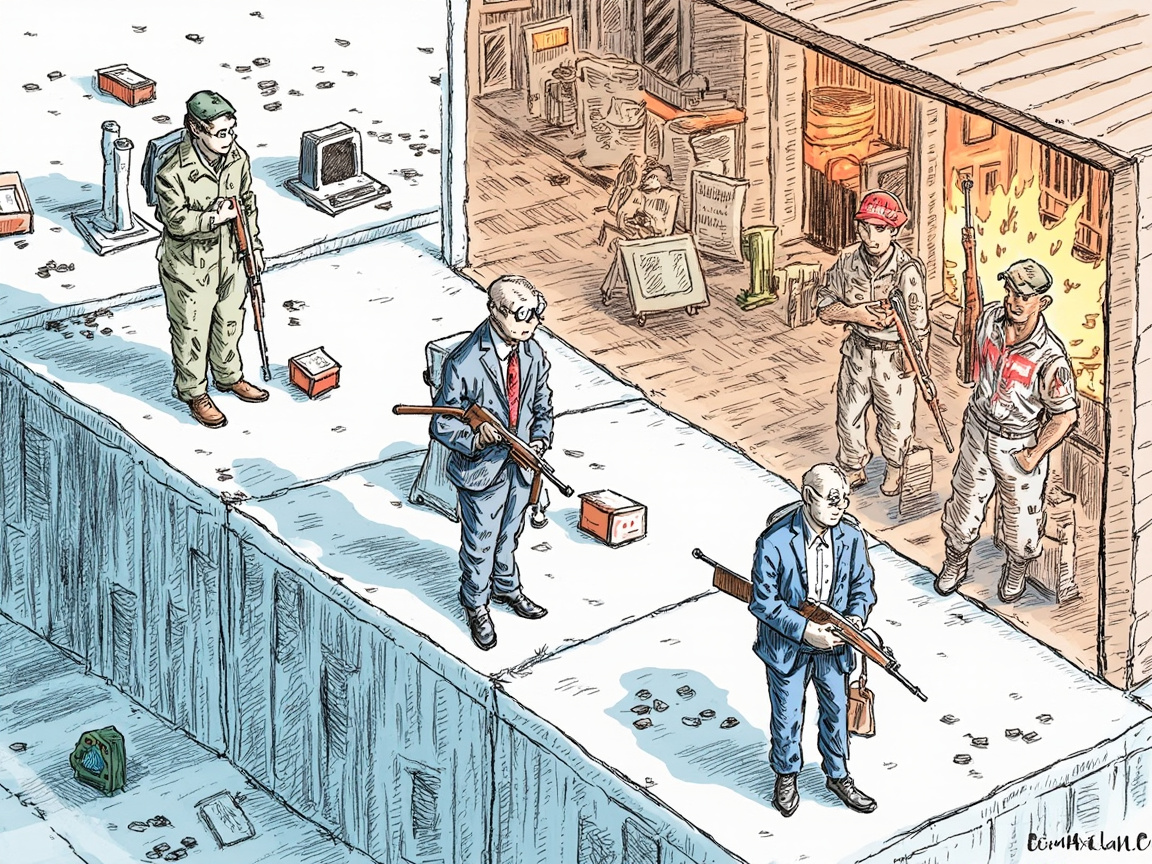
The S&P 500 has blasted past 7,000 to fresh record highs, powered by relentless gains in AI and semiconductor stocks. On the surface, it’s a bull-market party. But the real story isn’t the rally itself—it’s the wave of **panic buying** from hedge funds who missed the move and are now rushing to catch up. Their forced purchases are giving the market one last shot of adrenaline, but they’re also planting the seeds for a sharper, more volatile correction.

### **Hedge Funds Are Dangerously Underinvested**
Data from UBS reveals hedge funds recorded their largest weekly net selling since 2026 just last week. They’ve been cutting long exposure in tech hardware while adding short positions in software. More critically, their overall net exposure remains near lows last seen during the ‘tariff day’ sell-off panic.
**What this means:** Even as stocks hit new highs, hedge funds’ net positioning is still stuck near the floor. They didn’t buy the dip—so now they’re forced to buy the rip. As one Goldman Delta-One head put it bluntly: flows are one-sided, with CTAs, clients, and other players all under-positioned and chasing the rally. This isn’t strategic investing—it’s **panic cover**.
### **Options Markets Are Flashing Warning Signs**
This chase is supercharging the options market. On April 15, trading volume in call options hit its highest single-day level since 2026. Funds and institutions are using options to quickly gain exposure, trying to board a moving train.
But this creates a fragile structure: **negative gamma** on the upside. In simple terms, as markets rise, options market makers are forced to buy index futures to hedge their risk, accelerating the rally—a built-in ‘upward accelerator.’
The problem? It’s unsustainable. With the April 15 VIX options expiry, the market’s positive gamma cushion has largely eroded. Analysis from SpotGamma notes that with this gamma protection gone, the mechanism that helped suppress volatility and smooth the uptrend has weakened significantly.
The market’s exposure to two-way swings is widening. SpotGamma pins key S&P 500 pivots near 6,900, with resistance at 7,000 and 7,020, and support at 6,800. Less protection means more room for volatility.
### **Retail Investors Are Selling Into Strength**
It’s not just hedge funds who missed the boat. Retail investors are also stepping back. UBS data shows last week saw the largest retail outflows of the year, concentrated in semiconductors. Their playbook? **Sell the rally, not buy the dip.**
This tells you that even at record highs, confidence is thin. Retail is taking profits, not adding risk. That sentiment contrasts sharply with institutional panic-buying and hints that the rally’s foundation is shakier than the index suggests.
### **Systematic Buyers Have Ammo Left**
Among systematic strategies, Commodity Trading Advisors (CTAs) have been the biggest buyers this month, flipping from net short to net long. But here’s the key: their current exposure sits only at the **31st percentile** historically. Even after turning bullish, they have plenty of dry powder to deploy if the rally continues.
Meanwhile, Risk Control strategies—constrained by recent high realized volatility—have yet to jump in. UBS estimates that if the S&P 500 stabilizes with daily moves under ±50 bps, these strategies could buy around **$185 billion** over the next month. Potential buying power is still waiting on the sidelines.
### **Earnings Season Is the Final Test**
All of this collides with Q1 earnings season. Options markets are pricing an average single-stock earnings move of **5.3%** for S&P 500 companies this quarter—slightly above historical norms. Tech, industrials, and materials show the highest implied volatility premiums, signaling investor anxiety.
The core tension is clear: under-positioned institutions are forced to buy, pushing markets higher, while gamma protection fades and earnings loom, **eroding the market’s buffer against shocks.** As UBS notes, the path of least resistance remains up—absent a major geopolitical shock—but only if earnings don’t crack.
### **What Crypto Traders Should Watch**
For crypto markets, the lesson isn’t about stocks—it’s about **market structure shifts** that ripple across risk assets.
- **Monitor gamma dynamics.** As positive gamma fades, volatility can spike. This environment often impacts all risk assets, including crypto. Bitcoin’s role as a hedge or speculative bet may get repriced if markets shift from ‘smooth rally’ to ‘two-way volatility.’
- **Track hedge fund positioning.** They’re panic-buying now, but a poor earnings season could trigger rapid deleveraging and stop-loss cascades. These institutional flows often spill across markets.
- **Gauge retail sentiment.** If retail is selling record highs in stocks, risk appetite is fragile. That caution could cap upside in other speculative assets, including crypto.
**Bottom line:** When everyone is forced to do the same thing—buy—it becomes the biggest risk itself. Hedge fund panic-buying is both the fuel for this rally and the powder keg for the next volatility spike. The fuse is lit. Now, watch which way the earnings wind blows.
Markets don’t crash because everyone is bullish. They crack when everyone is **forced to be bullish.** This time, it’s not the price that’s fragile—it’s the structure.
| DISCLAIMER: The information on this website is provided as general market commentary and does not constitute investment advice. We encourage you to do your own research before investing. |
Recommended reading







Markets
2026-03-24
Markets
2026-02-26
Markets
2026-03-23
Latest News