• Thai-listed company DV8 has announced plans to build a corporate treasury of 10,000 Bitcoin.
• DoorDash, Chainlink & Oblong Market Shifts Guide (2026)
• Blockchain AI Convergence: Fact-Check & Market Guide (2026)
• Polygon's mainnet will undergo the Giugliano upgrade on April 8.
• PsiQuantum has started building its million-qubit quantum facility. Scientists say a machine this po
• Anthropic Discontinues Subscription Support for Third-Party Tools
• XRP ETF Forecasts & Bitmine’s $20B ETH Bet: 2026 Analysis
• Crypto & Tech Market Trends 2026: Pi, XRP, Robotaxi Safety
• DoorDash, Chainlink & Oblong Market Shifts Guide (2026)
• SEC v. Ripple Case Ends: XRP Outlook & Monero 51% Attack (2026)
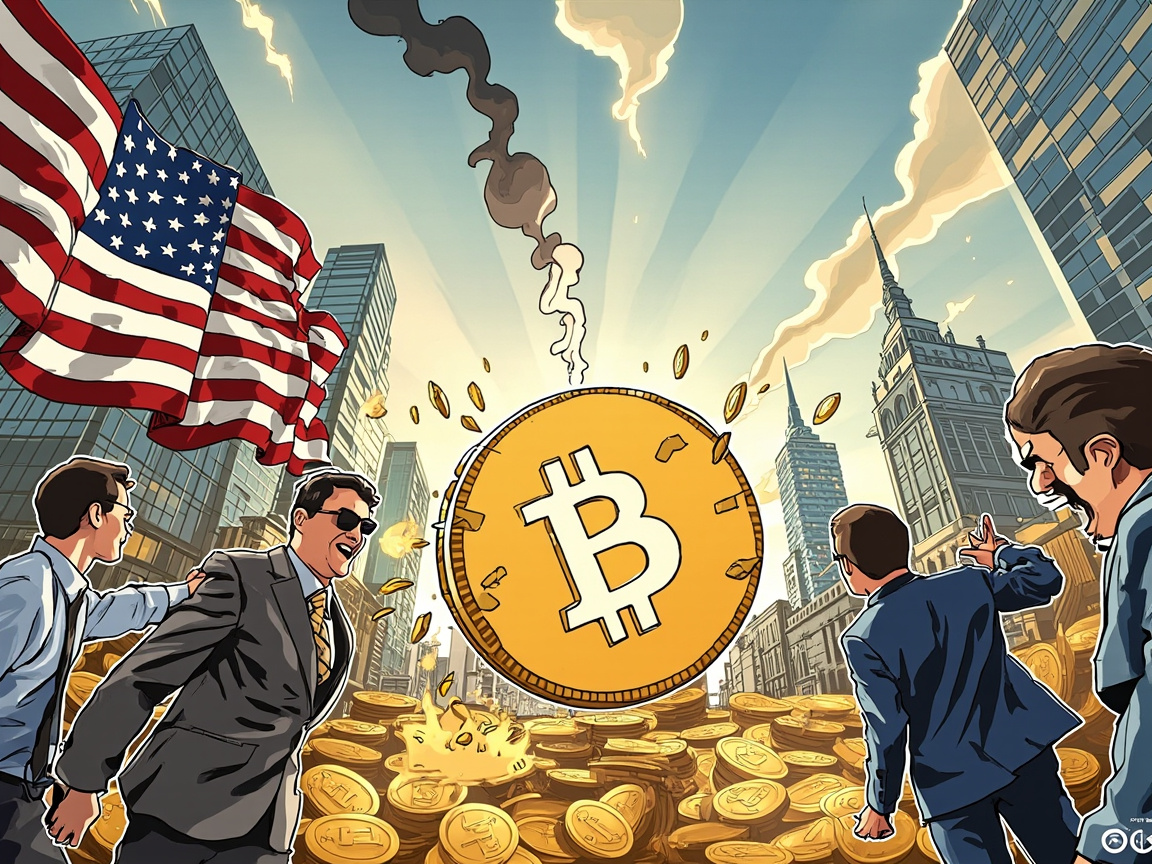
While markets celebrate new highs, the world's top financial officials are sounding alarms from Washington boardrooms. The disconnect isn't just noise—it's a warning that investors may be dangerously misreading the Iran conflict's true economic impact.

## The Party vs. The Warning
As the S&P 500 hit record highs, the IMF was cutting global growth forecasts. When asked if markets should be more cautious, IMF chief Kristalina Georgieva was blunt: "I think yes."
But markets aren't listening. Why? Middle East tensions appear to be easing, AI mania continues, and corporate earnings look solid. FOMO is drowning out risk warnings. Some traders even bet on "Trump Always Caves Out" logic—that Washington will soften its stance if markets wobble.
This optimism rests on two shaky assumptions: the war ends quickly, and the damage stays limited to oil price swings. Policy makers see a different reality.
## The Iceberg Beneath
Qatari Finance Minister Ali Al-Kuwari put it starkly: "We're only seeing the tip of the iceberg."
His timeline is specific: within one to two months, energy price shocks will turn into actual shortages. Some governments may soon struggle "to keep the lights on."
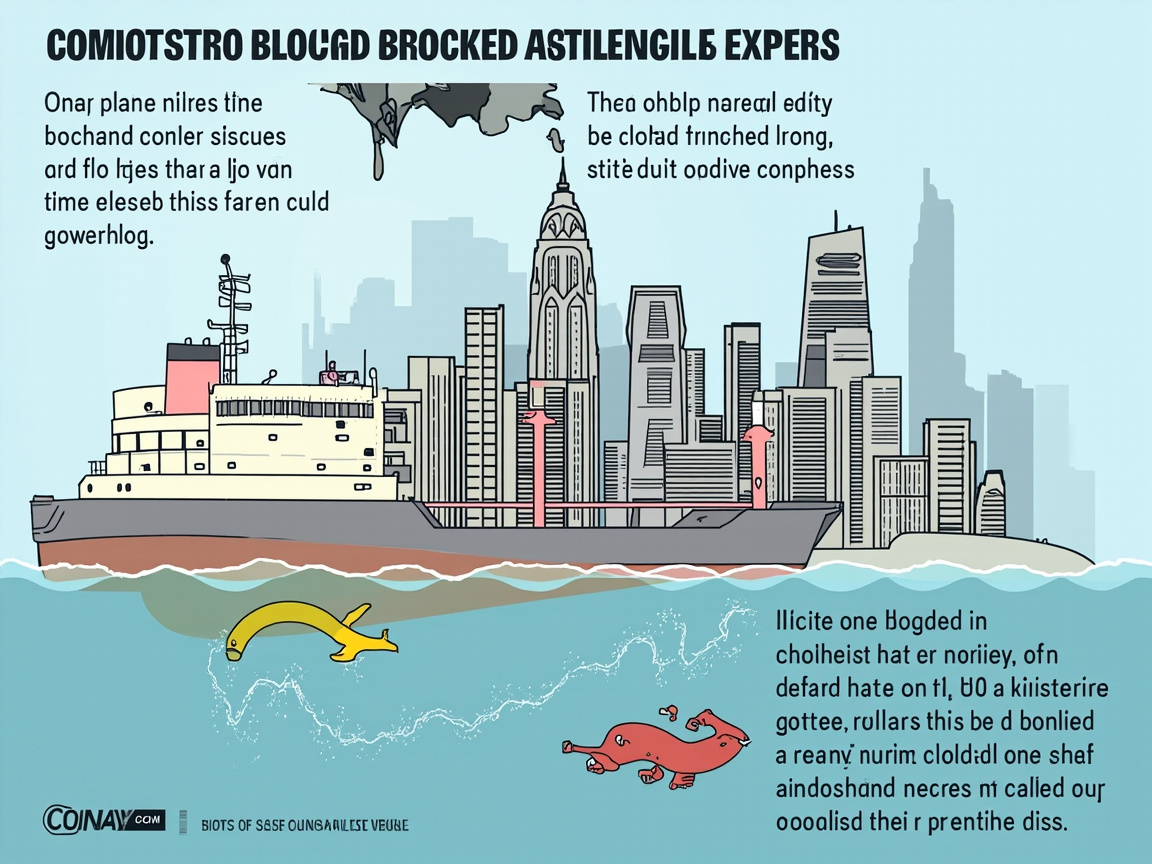
This isn't alarmism. IEA chief Fatih Birol notes the Strait of Hormuz has effectively been closed for six weeks, but the last pre-war shipments from the Persian Gulf are only now reaching destinations.
"March was extremely difficult globally. April could be worse."
What does this mean? Supply chain delays are accumulating. Asia felt it first, Europe is starting to hurt, and America is next—because those final ships are still en route. This "rolling contagion" mirrors COVID's early days.
## Where the Damage Hits
This isn't cyclical oil volatility—it's structural system damage.
**First cut: Energy supply.** Qatar provides nearly one-third of global helium, critical for semiconductor manufacturing. Prolonged conflict means chip supply chains get squeezed.
**Second cut: Food security.** Fertilizer shortages are already triggering food crisis chain reactions—not a distant risk, but an unfolding reality.
**Third cut: Global growth potential.** Higher costs, longer trade routes, and heightened geopolitical uncertainty will suppress global potential growth. The IMF's "adverse scenario" of growth dropping to 2.5% is looking increasingly likely.
As World Bank President Ajay Banga notes: Don't think of this as "just one more month of pain." Even if fighting stops, supply system recovery takes time.
## Where Markets Get It Wrong
PwC's U.S. chief economist points out markets underestimate the situation's severity because investors haven't fully grasped the war's deep supply chain disruptions.
The deeper problem: markets are using a simple framework (geopolitical risk → oil volatility → inflation pressure → central bank response) to understand a complex shock.
The actual path is: energy disruption → industrial shutdowns → supply chain breaks → food crisis → social pressure → political risk.
The chain is longer, transmission slower, but damage greater.
ECB President Christine Lagarde has already warned about Europe's growth outlook. U.S. market resilience partly stems from America being an oil exporter with natural buffers—but "this is not the story for the rest of the world. There's already a lot of pain elsewhere."
## What Investors Should Watch
**1. Strait of Hormuz control**
This is the real choke point. Every extra week of closure deepens the impact.
**2. Asian and European industrial data**
Energy shortages first show in factory shutdowns. If German, Japanese, and South Korean manufacturing PMIs keep falling, the shock has moved from prices to real activity.
**3. Fertilizer prices and grain futures**
These are leading indicators for the second wave. Fertilizer up means food up; food up means social pressure builds.
**4. U.S. port arrivals**
The real supply chain stress test begins when those final Persian Gulf shipments reach American shores.
## The Tipping Point May Be Closer Than You Think
Lazard's sovereign advisory head warns: After tariff wars, COVID, and Ukraine, government debt is high and fiscal crisis-fighting capacity is limited.
"No one knows how close we are to a tipping point, but economic, financial, and social resilience isn't infinite."
The subtext: This shock hits when the global system is at its most fragile.
The core worry in IMF corridors is that energy shocks trigger chain reactions that eventually hit financial markets. The policy maker's dilemma: how to convey the right message without sparking panic.
But markets don't seem ready to hear the truth.
## Reality Check: The Shock Will Be Late, Not Absent
Washington's warnings boil down to this: market timing and policy maker timing are dangerously misaligned.
Markets trade "short-term easing" while policy makers see "long-term damage."
This disconnect won't last forever.
If energy shortages move from price signals to actual supply cuts in the coming months, if fertilizer crises push global food prices higher, if semiconductor chains face helium shortages—market optimism will flip instantly.
FOMO will become panic selling. TACO logic will become anger at policy failure.
The real risk isn't known risks—it's collectively underestimated ones.
Markets have seen maybe one-tenth of the Iran war's shockwaves. The other nine-tenths are still approaching beneath the surface.
Watch those ships still at sea—when they arrive, the real test begins.
| DISCLAIMER: The information on this website is provided as general market commentary and does not constitute investment advice. We encourage you to do your own research before investing. |
Recommended reading




Markets
2026-03-24
Markets
2026-02-26
Markets
2026-03-23
Latest News