• Thai-listed company DV8 has announced plans to build a corporate treasury of 10,000 Bitcoin.
• DoorDash, Chainlink & Oblong Market Shifts Guide (2026)
• Blockchain AI Convergence: Fact-Check & Market Guide (2026)
• Polygon's mainnet will undergo the Giugliano upgrade on April 8.
• PsiQuantum has started building its million-qubit quantum facility. Scientists say a machine this po
• Anthropic Discontinues Subscription Support for Third-Party Tools
• XRP ETF Forecasts & Bitmine’s $20B ETH Bet: 2026 Analysis
• Crypto & Tech Market Trends 2026: Pi, XRP, Robotaxi Safety
• DoorDash, Chainlink & Oblong Market Shifts Guide (2026)
• SEC v. Ripple Case Ends: XRP Outlook & Monero 51% Attack (2026)
Impeachment Drama Exposes Fragile War Probability Market: 8% Odds on Thin Ice
2026-04-16 08:45:54
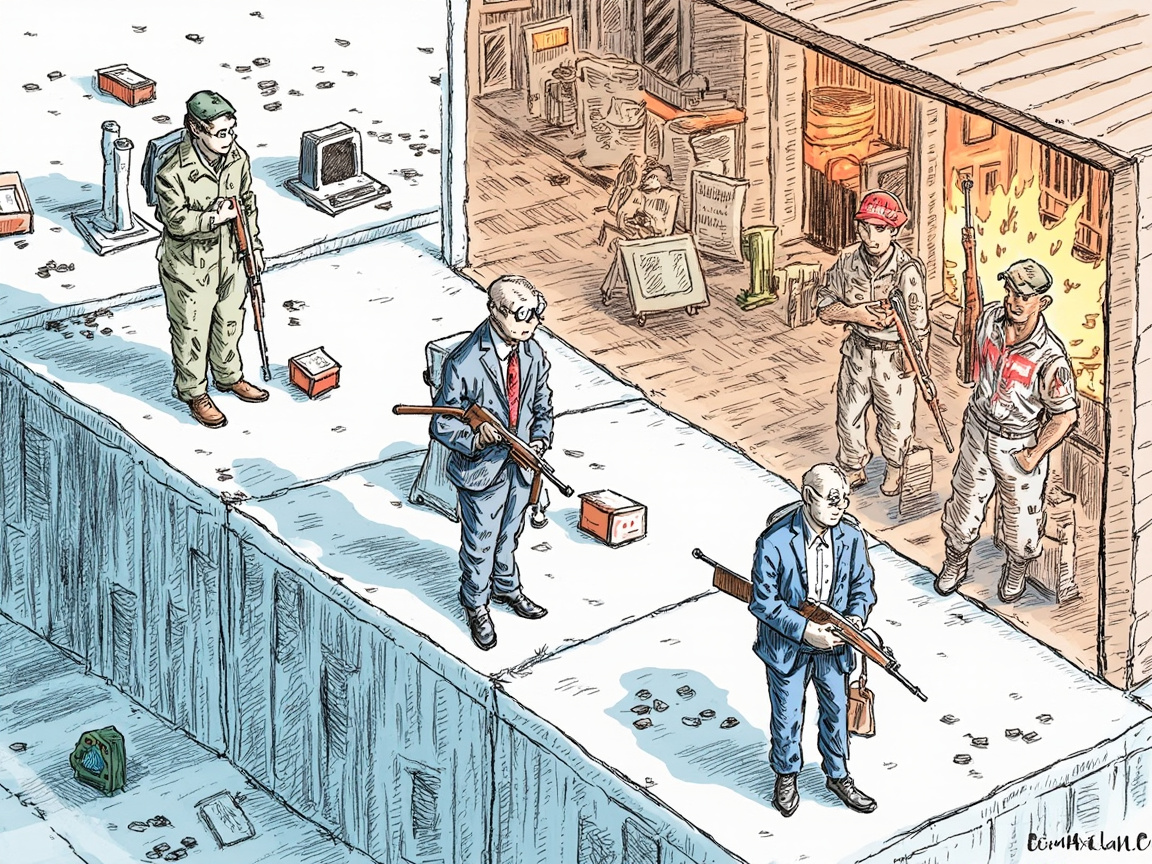
Washington's latest political theater—Congresswoman Yasamin Ansari filing impeachment articles against Defense Secretary Pete Hagesse over alleged war crimes in the U.S.-Israel conflict—isn't just another Capitol Hill spectacle. It's exposing how dangerously thin the market pricing for war probabilities has become. Behind the 8% probability of a U.S. declaration of war against Iran by December 31, 2026, lies a market trading on fumes.
## Market's Verdict: Political Noise vs. Real Risk
The immediate market reaction? A slight adjustment in war probabilities. The chance of war by December 31, 2026 ticked up to 8% from 7% last week, while the April 30, 2026 probability remains stuck at 1%. That 7-basis-point spread isn't statistical noise—it's traders voting with their wallets that this impeachment push lacks legislative teeth.
More telling is the liquidity picture: just $278 in USDC traded over the past 24 hours. It would take only $1,958 to move the December market price by 5 percentage points. Translation: current pricing sits on ice so thin that any meaningful weight could crack it.
## What's Really Being Priced Here?
Ansari's move isn't targeting war probabilities directly, but market confidence in political risk pricing. That 8% probability translates to a 12.5x return if war occurs—tempting, but requiring belief in a dramatic political shift that currently lacks congressional support.
The market's message through minimal liquidity: nobody's placing serious bets on political theater changing the war trajectory. This isn't about being bearish on war, but skeptical that Washington drama will alter its course.
## Three Signals That Matter More Than Impeachment
1. **Congressional Momentum**: Ansari's currently fighting alone. Watch for heavyweight follow-ons, bipartisan cracks, or political capital shifts—these move markets faster than solo proposals.
2. **Pentagon's Next Moves**: What Hagesse says in his next briefing matters more than impeachment theater. Policy signals from the military machine trump political performances.
3. **Public Temperature**: How Iran policy resonates with American voters. If street pressure reaches Capitol Hill, that 8% probability gains substance.
## Opportunity in Fragility
The market's current contradiction: it doesn't believe war is imminent, nor that political maneuvers can prevent it. This creates pricing fragility where $278 daily volume means almost no market depth.
Any new information—Pentagon hardening, unexpected congressional alliances—could trigger violent price swings. For risk-tolerant traders, this isn't noise but opportunity. The catch: you're not just judging war likelihood, but when and how markets will reprice that probability.
## Reality Check: Probability Will Move—Direction Unknown
Impeachment articles won't change war fundamentals, but they've revealed how dependent market pricing is on political performances—and how unreliable those performances are.
That 8% won't stay static. Either it breaks upward (political control deteriorating) or collapses downward (Washington regaining narrative control). Either way, expect amplified volatility thanks to paper-thin liquidity.
For crypto readers, the takeaway is clear: political risk pricing often lags reality, but when it adjusts, it moves violently. Don't predict war—watch for triggers that could turn 8% into 18% or 0.8%. Those triggers might hide in the next congressional hearing, Pentagon briefing, or street protest.
The market's already rendered its judgment: politics is noise, war is the backdrop. And on that backdrop, any new stroke could redraw the entire picture.
| DISCLAIMER: The information on this website is provided as general market commentary and does not constitute investment advice. We encourage you to do your own research before investing. |
Recommended reading





Markets
2026-03-24
Markets
2026-02-26
Markets
2026-03-23
Latest News