• Thai-listed company DV8 has announced plans to build a corporate treasury of 10,000 Bitcoin.
• Blockchain AI Convergence: Fact-Check & Market Guide (2026)
• DoorDash, Chainlink & Oblong Market Shifts Guide (2026)
• Polygon's mainnet will undergo the Giugliano upgrade on April 8.
• PsiQuantum has started building its million-qubit quantum facility. Scientists say a machine this po
• Anthropic Discontinues Subscription Support for Third-Party Tools
• XRP ETF Forecasts & Bitmine’s $20B ETH Bet: 2026 Analysis
• Crypto & Tech Market Trends 2026: Pi, XRP, Robotaxi Safety
• DoorDash, Chainlink & Oblong Market Shifts Guide (2026)
• SEC v. Ripple Case Ends: XRP Outlook & Monero 51% Attack (2026)
Pakistan's Crypto Banking Ban Lifts: Trump Family and Binance Deal Signals South Asia Market Sh
2026-04-16 00:31:30
Pakistan’s central bank has officially scrapped its 2018 ban on cryptocurrency banking, permitting banks to service registered virtual asset service providers (VASPs). On the surface, this looks like another country joining the regulatory fold. But the real story lies in who’s behind the move: the Trump family and Binance. This isn’t just a policy reversal—it’s the start of a structural shift in South Asia’s crypto market.
### The Ban Lifts, With Strings Attached
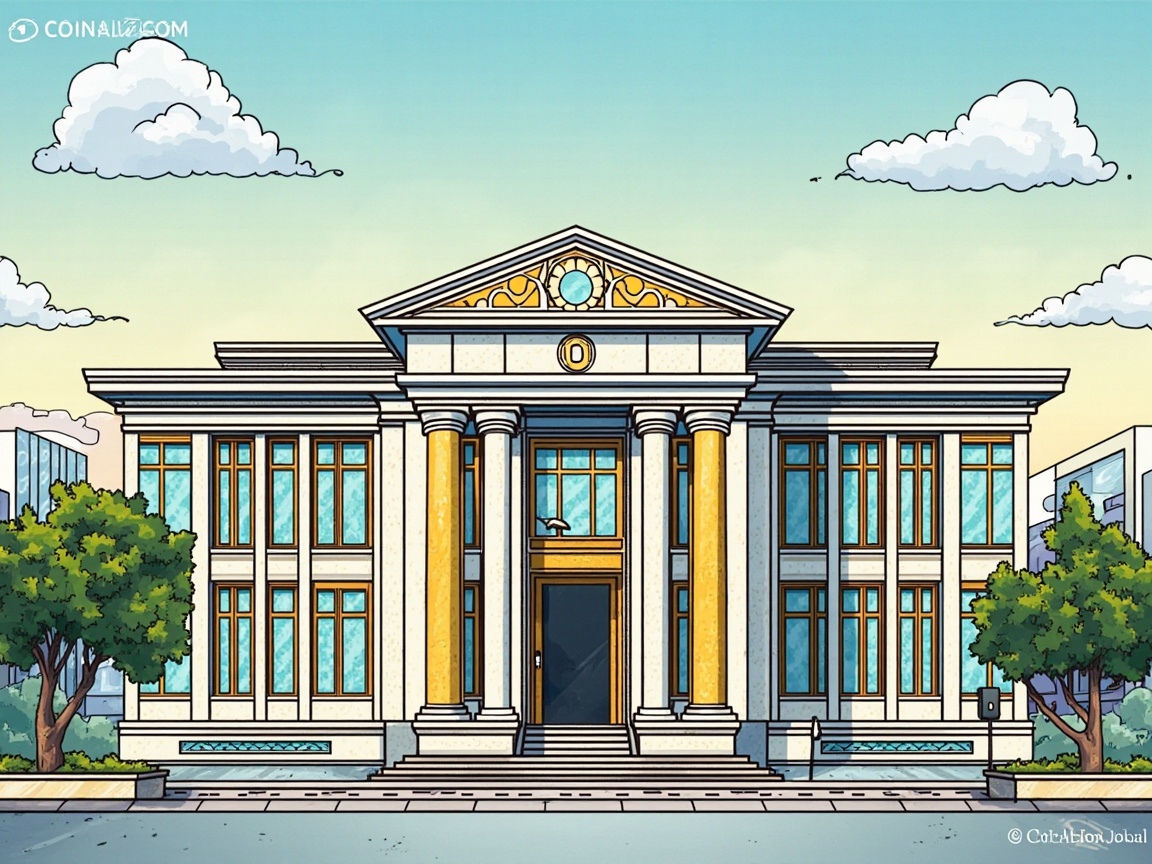
Eight years ago, Pakistan severed all ties between banks and crypto. Now, the reversal comes with careful constraints. Banks can serve VASPs, but funds must be segregated; they can monitor clients but can’t trade crypto with their own capital. In essence, regulators aren’t letting banks dive into crypto—they’re turning them into gatekeepers, ensuring digital assets flow through controlled channels. It’s a pragmatic setup: capturing digital asset opportunities while minimizing risks.
### Why the Trump Family and Binance?
Shortly after Donald Trump’s political comeback last year, executives from his family’s company, World Liberty Financial, flew to Islamabad. Within weeks, Pakistan began drafting a crypto regulatory framework and signed a memorandum of understanding with the firm, focusing on dollar stablecoins and cross-border payments. Binance followed with its own agreement. The link here isn’t just the Trump name—it’s the chain: political family business → stablecoin payments → exchange integration → asset monetization. This closed-loop commercial strategy moved fast, from initial contact to deals in months. Pakistan’s interest isn’t crypto itself but what this pipeline can deliver: foreign exchange, payment efficiency, and global capital access.
### South Asia’s Domino Effect
With 240 million people, Pakistan is the world’s fifth-most populous country. Eight years of pent-up demand now has a release valve: compliant VASPs, dollar stablecoin flows, and global exchange links. Two immediate impacts:
1. **Local exchange shake-up**: Only VASP-licensed players can access banking services, squeezing out smaller, non-compliant operators.
2. **Formalized cross-border flows**: Remittances and trade funds, often moving through gray channels, gain a legal path via dollar stablecoins.
The regional ripple effect matters. India’s crypto stance has wavered, while Bangladesh and Sri Lanka remain cautious. Pakistan’s move could tip the first domino in South Asia.
### What Investors Should Watch
Don’t rush into local Pakistani projects. The core here is infrastructure rebuild, not quick investment plays. Focus on three points:
1. **VASP licensing progress**: Which companies secure licenses? Are global exchanges setting up local entities?
2. **Stablecoin adoption metrics**: Cross-border payment volumes will show if this model works.
3. **Neighbor reactions**: Will India or Bangladesh soften their stance? A regional compliant corridor would change the game.
Short-term, this won’t spark a bull market. Long-term, it lays compliant pipes for South Asia—capital will eventually flow.
### Realistic Outlook: How This Unfolds
Expect bumps: banks need time to adapt, regulations will refine, and traditional finance may push back. But the trend is set. The Trump family and Binance’s involvement signals serious commercial deployment, not an experiment. Their resources, political ties, and speed will drive this forward.
Likely phases:
- **Phase 1 (6–12 months)**: VASP licenses roll out, global exchanges establish local presence, stablecoin payment pilots go live.
- **Phase 2 (1–2 years)**: Local trading volumes rise, regulations tighten, and compliant derivative services may emerge.
- **Phase 3 (2+ years)**: A South Asia compliant network takes shape, with Pakistan as a key node.
**This move doesn’t just lift a ban—it breaches the wall between South Asia’s crypto market and global compliance.** The water’s direction is set; it’s only a matter of time. Investors shouldn’t guess the flow’s size but identify where the pipes are built—and position themselves at the valves.
| DISCLAIMER: The information on this website is provided as general market commentary and does not constitute investment advice. We encourage you to do your own research before investing. |
Recommended reading


Latest News