Pi Network Cross-Chain Bridge Coming Soon to Connect Multi-Chain Ecosystem
Pi Network Pushes Cross-Chain Bridge and Smart Contracts to Open Up Ecosystem
Pi Network is rolling out key technical upgrades, starting with a cross-chain bridge to connect with other blockchains. The move is seen as a major step toward an open Web3 ecosystem—and a potential shift away from its relatively closed current model.
The bridge will allow assets to move between networks, giving Pi Coin more flexibility at the application layer. Developers will also gain access to external resources, opening up DeFi, payments, and on-chain services. Pi is also introducing a KYB (Know Your Business) verification mechanism, letting Web2 and Web3 companies plug directly into Pi's wallet system after certification.
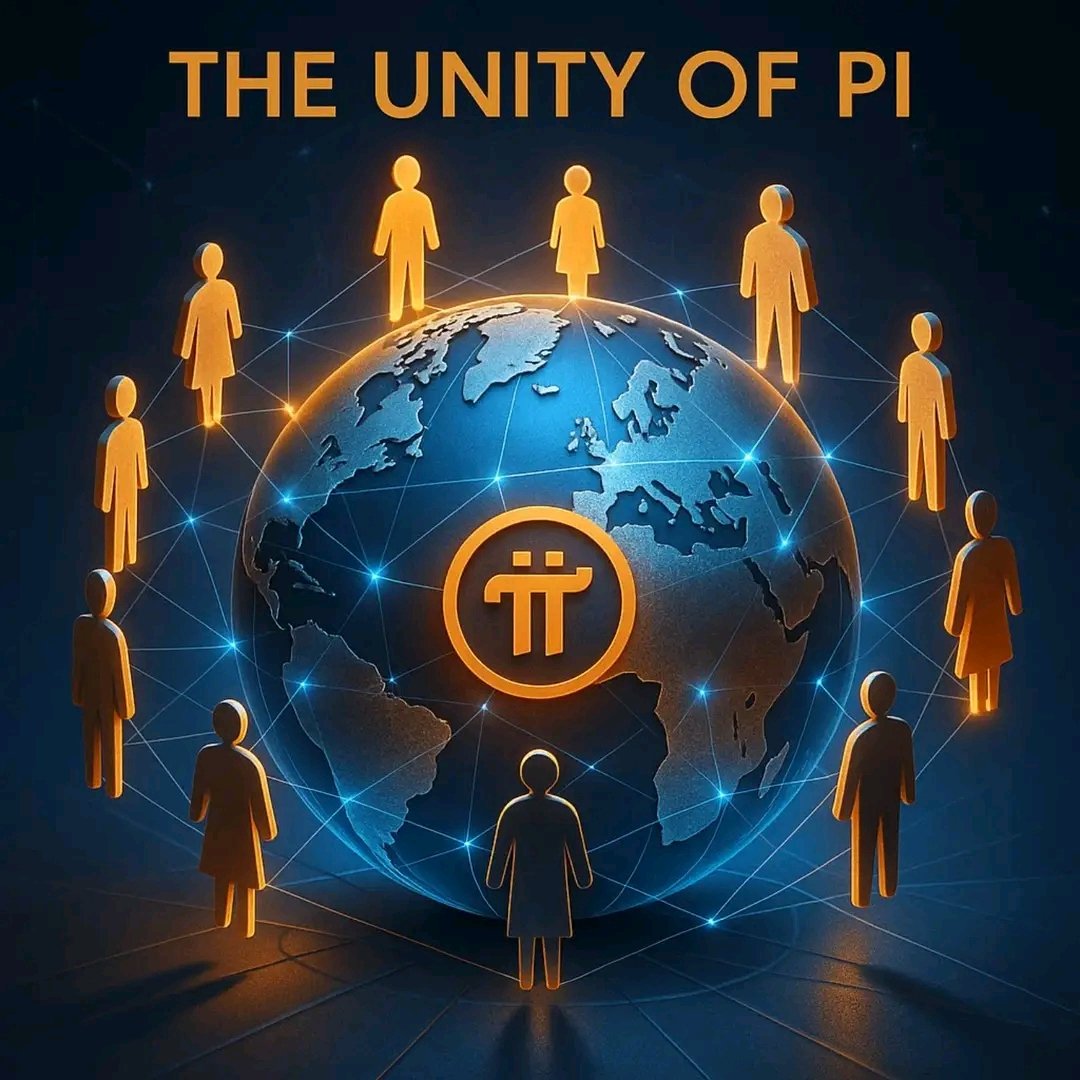
On the tech roadmap, Pi Network is also working on smart contract functionality. Once live, developers will be able to build decentralized apps—financial protocols, games, and on-chain tools. Combined with cross-chain capabilities, that could boost scalability and real-world utility. But these features are expected to roll out gradually after the mainnet is further refined.
On the infrastructure side, Pi Coin recently launched a testnet RPC interface and completed several node upgrades, including Protocol 21, to improve stability and development efficiency. On-chain data shows over 10 billion Pi Coins have been migrated to the mainnet, though circulation remains limited, with most tokens still locked up.
Looking at the bigger picture, Pi Network is trying to build a full-fledged multi-chain ecosystem. Cross-chain bridges, smart contracts, and enterprise onboarding are all part of the plan to attract more developers and users. But key features aren't fully live yet, and execution speed is still a major question mark. If the upgrades go smoothly, Pi could find new room to grow in a crowded Web3 market.
|
DISCLAIMER:
1. All content on this website (including but not limited to articles, data, charts, and analyses) is for general informational purposes only and does not constitute any form of investment advice, trading recommendation, or financial guidance. 2. Cryptocurrencies and digital assets are subject to extreme price volatility and high investment risk; you may lose part or all of your principal. Past performance does not predict future results. 3. The information on this website is based on sources we believe to be reliable, but we do not guarantee its accuracy, completeness, or timeliness. Any investment decisions made based on this website’s information are at your own risk. 4. We strongly recommend that you conduct your own thorough research and consult an independent, licensed financial advisor before making any investment decisions. |
Recommended reading



Latest News