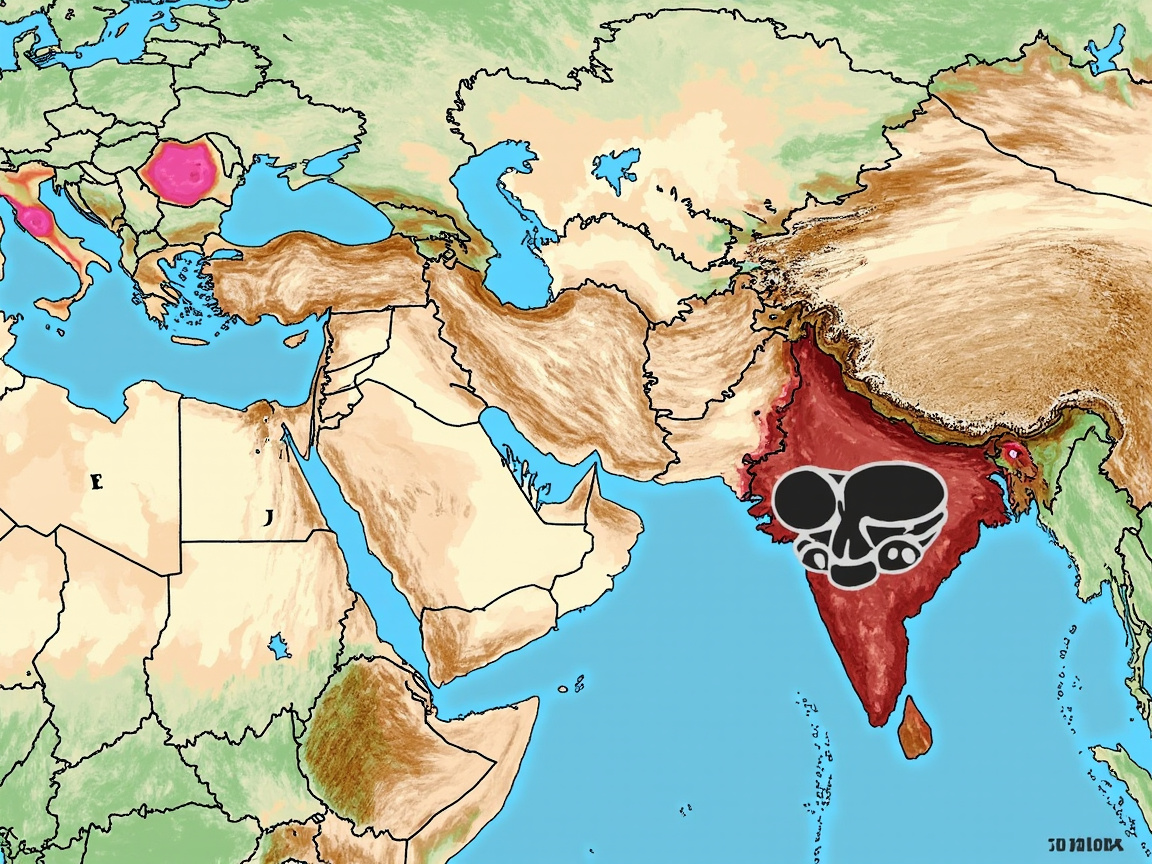
Gulf Countries Plan to Spend Huge Money on New Pipelines to Bypass Hormuz Strait
Gulf States Revisit Pipeline Plans as Strait of Hormuz Threats Mount
Iran's potential long-term grip on the Strait of Hormuz is forcing Gulf states to rethink costly pipeline projects that could bypass the shipping chokepoint and secure oil and gas exports. Government officials and industry executives say that while these pipelines are expensive, politically complex, and take years to build, they may be the only way to reduce the region's dependence on the strait.
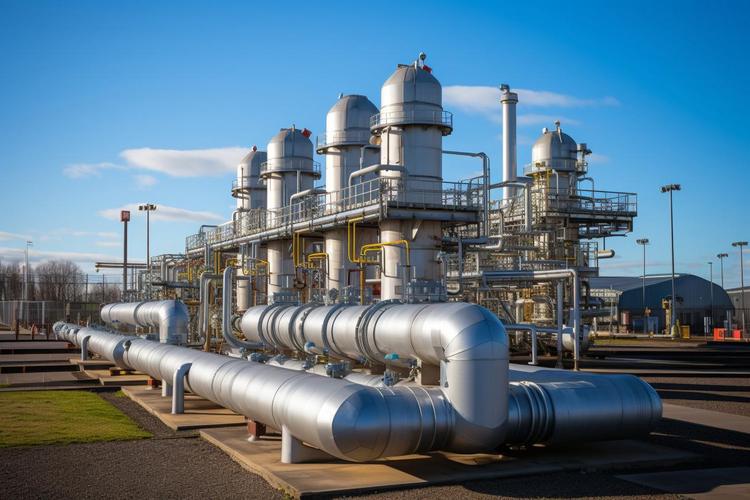
The current conflict has thrown a spotlight on Saudi Arabia's 1,200-kilometer East-West Pipeline. Built in the 1980s amid fears that the Iran-Iraq "tanker war" could close the strait, it's now a critical lifeline. It moves 7 million barrels of crude a day to the Red Sea port of Yanbu—completely bypassing the Strait of Hormuz. Saudi Arabia is now looking at ways to export more oil via pipeline, including expanding the East-West line or building new routes.
|
DISCLAIMER:
1. All content on this website (including but not limited to articles, data, charts, and analyses) is for general informational purposes only and does not constitute any form of investment advice, trading recommendation, or financial guidance. 2. Cryptocurrencies and digital assets are subject to extreme price volatility and high investment risk; you may lose part or all of your principal. Past performance does not predict future results. 3. The information on this website is based on sources we believe to be reliable, but we do not guarantee its accuracy, completeness, or timeliness. Any investment decisions made based on this website’s information are at your own risk. 4. We strongly recommend that you conduct your own thorough research and consult an independent, licensed financial advisor before making any investment decisions. |
Recommended reading








Latest News