Empty Waymos in Atlanta Expose the Real Bottleneck in Robotaxi Scaling
2026-05-16 04:01:53
## Empty Waymos in Atlanta expose a scaling problem, not just a nuisance
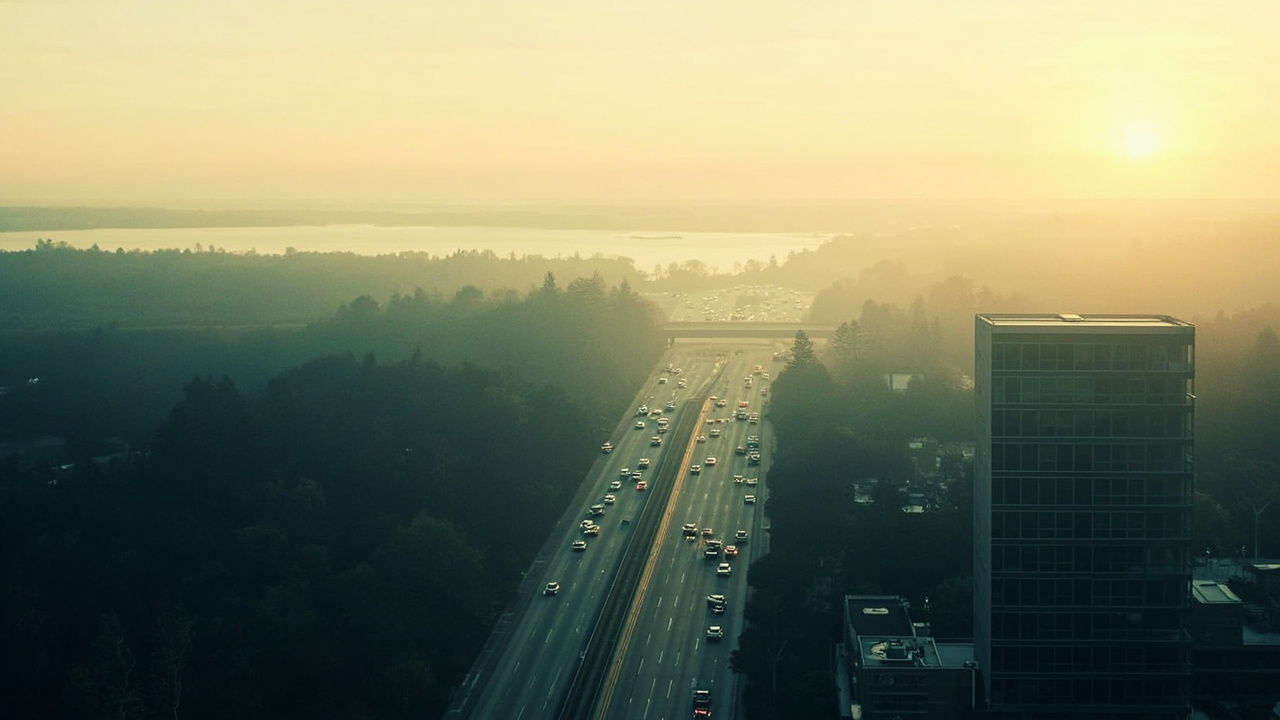
According to [Decrypt](https://decrypt.co/368058/atlanta-residents-wake-up-to-empty-waymos-circling-their-neighborhood) on May 15, 2026, residents in northwest Atlanta said empty Waymo robotaxis had spent weeks circling Battleview Drive, a dead-end street, often in the early morning between 6 a.m. and 7 a.m. One resident estimated that about 50 vehicles passed through in a single hour. The report also says the pattern started about two months ago, intensified in recent weeks, and even left eight Waymos stuck after a children's street sign was placed near the road.
That is more than a neighborhood complaint about noise. It is a small but useful stress test for autonomous fleet operations. A robotaxi business usually strains first in routing, fleet positioning, local geography, and public tolerance, not in the steering stack itself. Once software treats a residential street as part of a circulation plan, the neighborhood stops looking like a place where people live and starts looking like an operational buffer.
### What the report actually shows
The important facts are narrow and concrete:
- the cars were empty;
- the loop happened on a dead-end street;
- the circulation came in waves early in the morning;
- Waymo said it uses a partner to manage fleet positioning in Atlanta and is working to prevent similar routing behavior.
Those details matter because they shift the question away from whether autonomous driving works in the abstract. The cars were apparently operating as designed; the problem was how a large fleet behaves when routing logic turns a residential street into a staging lane. That is why this story is really about operating discipline. If the public sees empty vehicles without an immediate passenger benefit, even a technically successful system can feel intrusive.
## The real issue is fleet choreography, not vehicle count
Waymo's response matters for the same reason. Saying the company is committed to being good neighbors and is working with its fleet partner is a reminder that the problem sits in the operating chain, not only in the vehicle. If a partner helps manage fleet positioning, then accountability is spread across software, operations, and vendor management. That is the sort of boundary that becomes visible only when the system misbehaves in public.
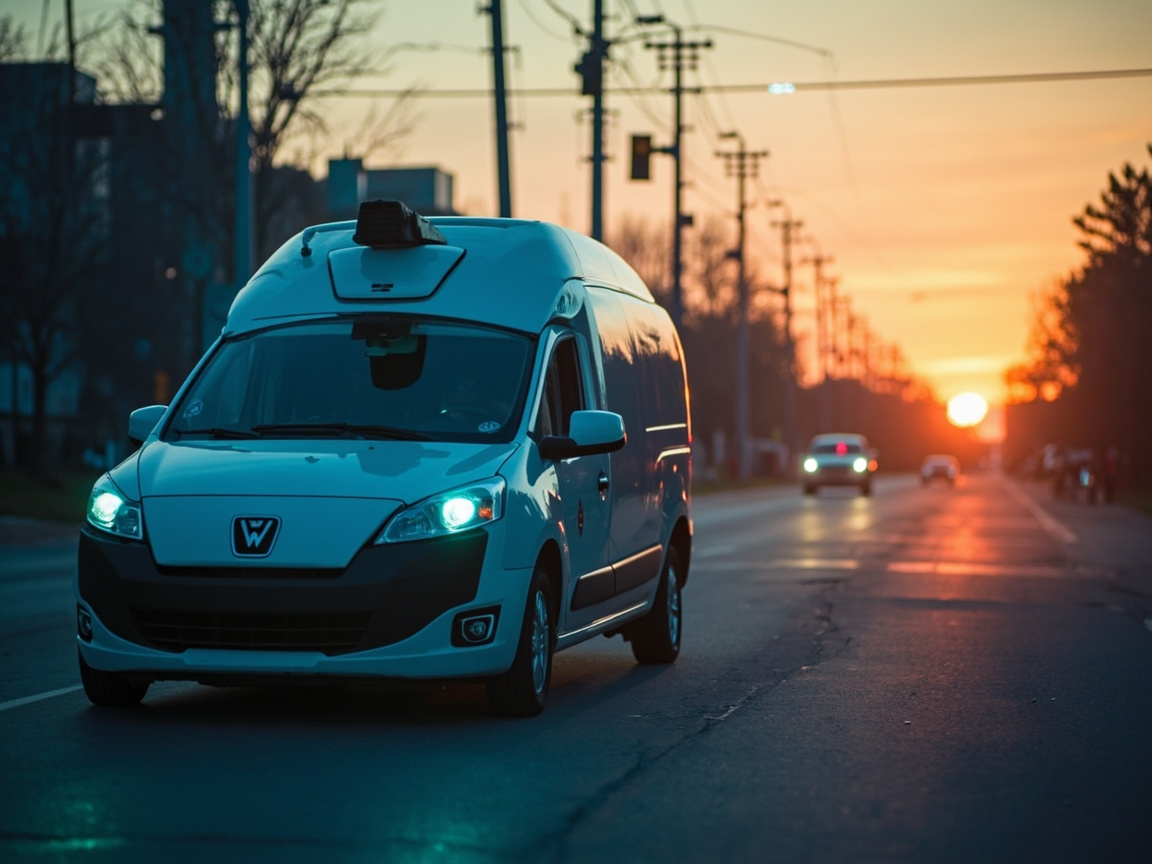
The Atlanta complaint also looks less isolated once you place it next to earlier complaints in San Francisco in 2024, when residents said Waymo cars repeatedly honked overnight while clustering near parking lots and staging areas. Different symptom, same class of issue: the system is optimized for movement and staging, but neighborhoods judge it by whether that movement feels predictable, quiet, and easy to ignore.
This is the part of robotaxi scaling that is easiest to miss. Scale is not just adding more cars. It is making sure the extra cars do not create new forms of friction in the places where they are least welcome. If the routing layer is too aggressive, empty vehicles become visible occupancy with no direct payoff. A product demo then turns into a legitimacy test.
## Why this matters beyond one cul-de-sac
The Atlanta complaint lands in a wider debate over how much control sits behind autonomous systems. The same report says lawmakers have questioned Waymo executives about remote human assistance operators, including some located overseas. Waymo says its vehicles make driving decisions independently and that remote workers provide guidance rather than direct control. That distinction is important in engineering terms, but it is much less clean in public perception. Users do not evaluate autonomy only by code; they evaluate the whole chain of responsibility.
Rep. Buddy Carter's warning in the report points to the politics of that chain. His concern was not only safety but privacy and the idea that users are left in the dark about what happens behind the scenes. You can disagree with his framing, but the underlying logic is hard to dismiss: once an autonomous service becomes visible in residential space, opacity stops being a technical detail and starts becoming a civic issue.
The most useful takeaway is narrower than the headline suggests. This is not proof that robotaxis cannot work. It is proof that their success depends on invisible discipline: routing, staging, local exception handling, and complaint response. In other words, the hard problem is not just driving without a human in the seat. It is operating a public-facing network without making the neighborhood feel like part of the machine.
## What to watch next
The next question is whether Waymo can show a cleaner operational pattern in Atlanta without just moving the problem elsewhere. Three signals would matter more than the original viral complaint: fewer empty loops at the same hour, a clear fix in fleet positioning, and a response that keeps residents from feeling like they are debugging the product for the company.
If those do not appear, similar complaints will keep spreading because they hit a simple nerve: autonomous vehicles are easiest to approve in the abstract and hardest to tolerate when they become part of daily street life. The Atlanta case is small, but it draws a large boundary around how much operational friction the public is willing to absorb before a convenience product starts to feel like an occupation.
---
Author: [Alex Chen](https://x.com/AlexC0in) | Alex has followed blockchain technology since 2021, focusing on DeFi and on-chain data analysis
Source: [decrypt.co](https://decrypt.co/368058/atlanta-residents-wake-up-to-empty-waymos-circling-their-neighborhood)
DISCLAIMER:
1. All content on this website (including but not limited to articles, data, charts, and analyses) is for general informational purposes only and does not constitute any form of investment advice, trading recommendation, or financial guidance.
2. Cryptocurrencies and digital assets are subject to extreme price volatility and high investment risk; you may lose part or all of your principal. Past performance does not predict future results.
3. The information on this website is based on sources we believe to be reliable, but we do not guarantee its accuracy, completeness, or timeliness. Any investment decisions made based on this website’s information are at your own risk.
4. We strongly recommend that you conduct your own thorough research and consult an independent, licensed financial advisor before making any investment decisions.