## AI agents may solve crypto's user problem, but only if the rails get boring

According to [CoinDesk](https://www.coindesk.com/markets/2026/05/08/ai-agents-could-solve-crypto-s-user-problem), former Apple engineer Chappy Asel told Consensus Miami that autonomous software may end up being a more natural user of wallets and stablecoins than humans. The article also notes that The AI Collective, which he founded, has more than 200,000 members across 150+ chapters, and that agentic payments are still closer to a thesis than a mature commercial category.
### What the source is actually arguing
Asel's point is not that people suddenly want another wallet app. It is that software agents can transact without the friction humans bring: tutorials, seed phrases, hesitation, and UI fatigue. If an AI system is already making the decision, the payment layer has to be machine-readable, low-latency, and programmable.
That is where stablecoins fit the story. They offer 24/7 settlement and a rules-based transfer layer, which makes them a more obvious fit for machine-to-machine payments than card rails built around human checkout flows. The appeal is structural, not speculative: an agent can trigger many small transactions, while a human user usually cannot justify that overhead.
### Why the thesis is plausible, and why it is still early
The article also leaves room for caution. Most companies today still route payments through centralized APIs and conventional payment systems. That matters because the current stack already moves money; the open question is whether agentic payments will be cheap, easy to reconcile, and reliable enough to earn a lasting place in production.

For crypto, that changes the conversation. The harder question is no longer whether the industry can improve retail onboarding. It is whether wallets can behave like infrastructure rather than like an extra app category. If the experience stays confusing, the technology may remain interesting but narrow. If the rails disappear into the background, agents could become the first native software users crypto has been waiting for.
### The broader signal is infrastructure, not consumer hype
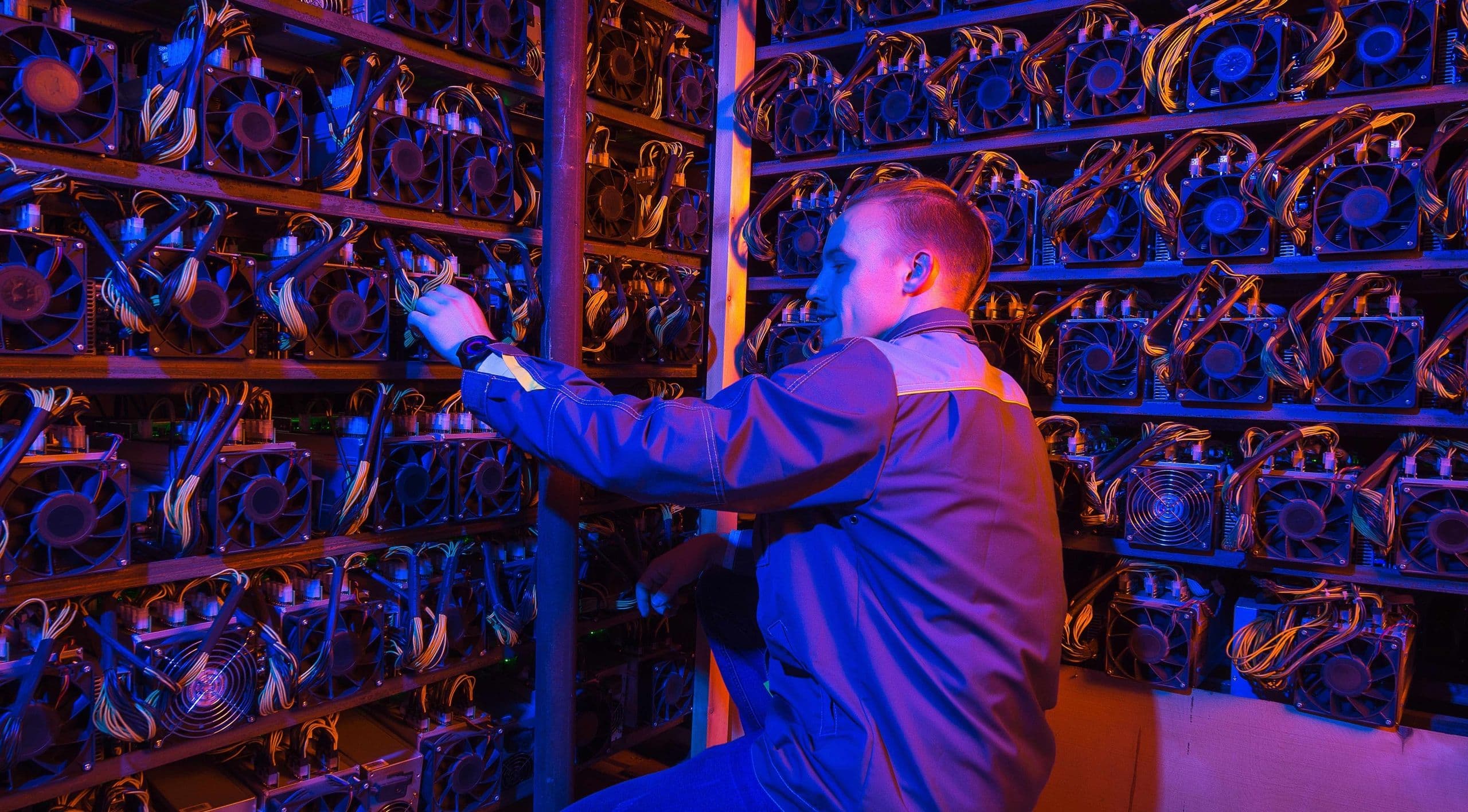
The piece also points to a wider shift in the AI economy: chips, power, and data center capacity are becoming the real bottlenecks. That is why parts of the bitcoin mining industry have been rethinking their own assets and moving toward AI hosting and high-performance computing. The common thread is not "crypto plus AI" as a slogan. It is scarce infrastructure being repriced by whoever can use it most efficiently.

That distinction matters because it changes how the thesis should be judged. If the useful overlap between crypto and AI shows up first in compute, energy, and settlement plumbing, the market will see it in business models before it sees it in mass consumer behavior.
### What would actually validate the idea
Three signals would make the argument more credible. First, agentic payments would need to move from conference language into real products with repeat usage. Second, stablecoin rails would need to handle compliance, reconciliation, and refunds without adding more friction than they remove. Third, developers would need to choose open protocols because they are simpler, not because they are fashionable.
Until then, the right reading is modest: AI may not solve crypto's user problem by teaching more people how to use wallets. It may solve it by making software the first native user of crypto rails.
---
Author: Coinalx Editorial Team|First published: 2026-05-08 | Last updated: 2026-05-08
Source: [coindesk.com](https://www.coindesk.com/markets/2026/05/08/ai-agents-could-solve-crypto-s-user-problem)
DISCLAIMER:
1. All content on this website (including but not limited to articles, data, charts, and analyses) is for general informational purposes only and does not constitute any form of investment advice, trading recommendation, or financial guidance.
2. Cryptocurrencies and digital assets are subject to extreme price volatility and high investment risk; you may lose part or all of your principal. Past performance does not predict future results.
3. The information on this website is based on sources we believe to be reliable, but we do not guarantee its accuracy, completeness, or timeliness. Any investment decisions made based on this website’s information are at your own risk.
4. We strongly recommend that you conduct your own thorough research and consult an independent, licensed financial advisor before making any investment decisions.