Treasury Pressure on Binance Turns a 2023 Monitor Into a Live Compliance Test
2026-05-08 08:21:02
## Treasury's Binance letter turns an old settlement into a live compliance test
According to [Cointelegraph](https://cointelegraph.com/news/us-treasury-binance-monitoring-program-reminder), U.S. Treasury officials reportedly pressed Binance to comply with a monitoring program tied to its 2023 settlement, after reports that about $1 billion moved through the exchange to entities linked to Iran. The surface story is another regulatory headline around Binance. The deeper issue is whether a monitor installed after a past enforcement case can still compel timely access to records, interviews, and internal compliance evidence.
### The confirmed baseline: 2023 settlement, three-year oversight, and new pressure
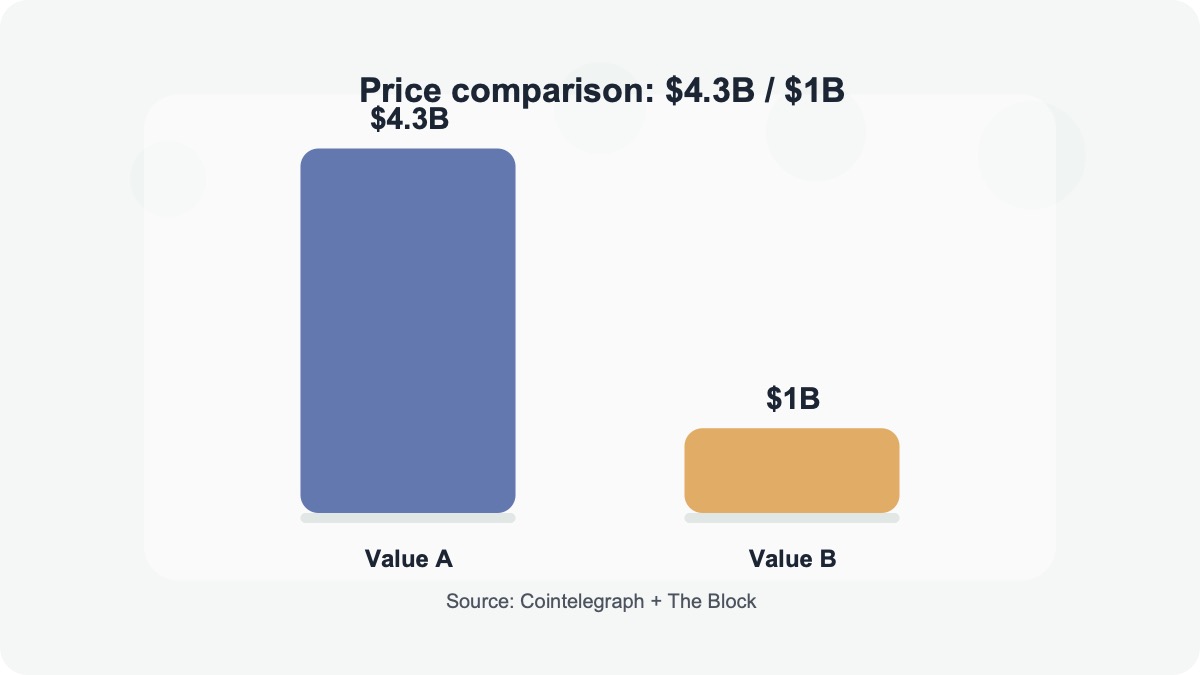
Binance's 2023 deal with U.S. authorities included a $4.3 billion settlement with the Treasury Department and the Justice Department, plus a three-year monitoring program. The new report says Treasury reminded the exchange of that obligation after separate reporting about Iran-linked flows and after senators asked Treasury Secretary Scott Bessent to account for Binance's adherence to the settlement.
#### The numbers create a compliance timeline, not a market signal
The most important figures in the story are legal and operational: 2023, $4.3 billion, three years, and roughly $1 billion in reported Iran-linked flows. None of those figures says anything direct about trading demand. They define the sequence regulators are testing: settlement first, monitoring second, alleged information gaps third, and renewed pressure now.
### Binance's response narrows the factual boundary
Binance told Cointelegraph that it is committed to cooperating with the independent monitor and continuing collaboration with relevant agencies. [The Block](https://www.theblock.co/post/400454/treasury-demands-binance-comply-monitoring-guidelines-1-billion-iran-report) separately reported a similar company response, saying Binance recognized the seriousness of past issues and was working to improve transparency and response speed. That matters because the dispute is not framed as a new public penalty yet. It is framed as a demand for cooperation inside an existing oversight mechanism.
## The governance risk is not only sanctions; it is who controls the information chain
For a global exchange, sanctions compliance is partly about wallet screening and jurisdiction controls. But this story points to a second layer: whether internal investigators, compliance officers, external monitors, and government officials can rely on the same records at the right time. If the information chain is slow or contested, the monitor becomes less useful even before any new enforcement action is announced.
### Political links raise the scrutiny level without changing the evidence standard
Cointelegraph also noted that Binance's ties to the Trump administration have drawn scrutiny after a United Arab Emirates-based entity invested $2 billion in Binance using USD1, the stablecoin issued by World Liberty Financial, a company co-founded by U.S. President Donald Trump and his sons. Trump also pardoned former Binance CEO Changpeng Zhao in October 2025. Those details make the oversight politically sensitive, but they do not replace the core test: what records Treasury can obtain and whether the exchange meets the monitor's requests.
#### Zhao's public comments sit outside the compliance question
At Consensus in Miami, Zhao said he had been trying to avoid the United States and discussed the idea of revitalizing Binance.US access to global liquidity, while also saying he did not expect to lead another crypto company. Those remarks add context around Binance's U.S. footprint. They do not resolve whether the 2023 monitor is receiving what it needs.
## What would verify or weaken the compliance thesis
The strongest verification would be transparent confirmation that requested records, interviews, and monitor materials were delivered on schedule. A weaker version would be a general cooperation statement without evidence that specific monitor requests were satisfied. The clearest negative signal would be a new public enforcement action, a court filing, or a documented breakdown between Binance and the monitor.
### For the industry, the test is whether settlements still have teeth
The broader point is not Binance alone. Large crypto settlements increasingly depend on monitors, reporting duties, and post-settlement remediation. If those mechanisms work, regulators can keep pressure on high-risk platforms without immediately launching a new case. If they fail, the market learns that big fines end the headline but not the conduct risk.
#### The risk boundary is procedural before it is financial
This article should be read as a compliance-process story, not as a price or trading cue. The next meaningful signals are procedural: Treasury communications, monitor disclosures, Senate follow-up, company responses, and any DOJ or Treasury action that turns a private demand into a public enforcement step.
---
Author: Coinalx Editorial Team|First published: 2026-05-08 | Last updated: 2026-05-08
Source: [cointelegraph.com](https://cointelegraph.com/news/us-treasury-binance-monitoring-program-reminder)
DISCLAIMER:
1. All content on this website (including but not limited to articles, data, charts, and analyses) is for general informational purposes only and does not constitute any form of investment advice, trading recommendation, or financial guidance.
2. Cryptocurrencies and digital assets are subject to extreme price volatility and high investment risk; you may lose part or all of your principal. Past performance does not predict future results.
3. The information on this website is based on sources we believe to be reliable, but we do not guarantee its accuracy, completeness, or timeliness. Any investment decisions made based on this website’s information are at your own risk.
4. We strongly recommend that you conduct your own thorough research and consult an independent, licensed financial advisor before making any investment decisions.