Ripple Partners with South Korea's K Bank for Cross-Border Payments — Is This the Real Deal?
2026-04-27 18:40:57
## Background
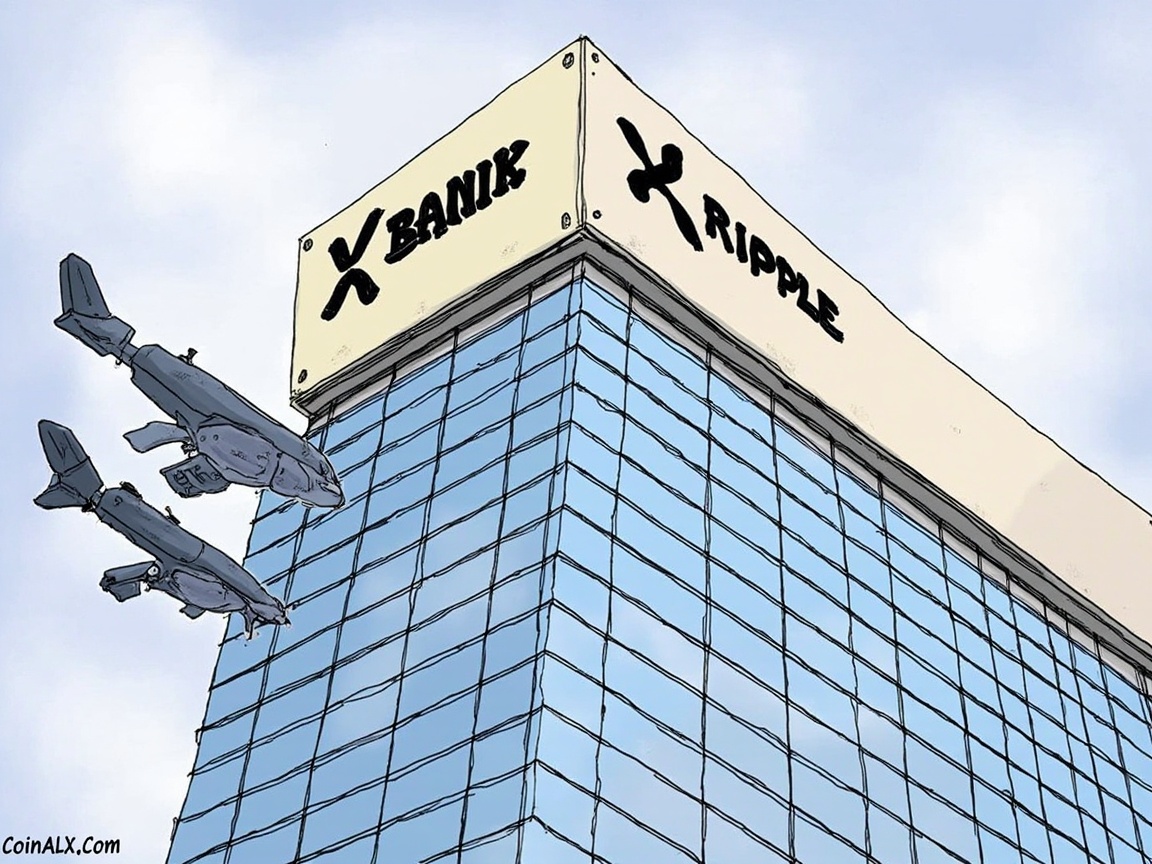
Ripple is making moves again — and this time it's not just talk.
According to a tweet from XRP enthusiast Allie, South Korea's K Bank, a pure online lender, has signed a strategic partnership with Ripple to test blockchain-based overseas remittance technology. Specifically, K Bank will use Ripple's SaaS-based digital wallet, Palisade, for stablecoin transaction pilots.
On the surface, this looks like yet another bank "testing" with Ripple. But here's what matters: K Bank is Korea's first online-only bank with no physical branches — it's built for blockchain. And Ripple is pushing stablecoins + wallet, not XRP — meaning it's sidestepping regulatory landmines to enter the cross-border payment market through a compliant path.
## Where This Hits
Cross-border remittances are a banking stronghold, but the pain points are clear: slow, expensive, and full of intermediaries. Traditional SWIFT transfers take 3–5 days with fees up to 5%+. Ripple's solution promises near-instant settlement at near-zero cost.
But over the past few years, most Ripple partnerships have stayed at the MOU stage — few went live. This time is different: K Bank is a digital-native bank with high tech adoption, and South Korea is relatively crypto-friendly. If the pilot succeeds, Ripple gets a real-world benchmark case.
More importantly, Ripple is using stablecoins, not XRP. That means it no longer needs to convince banks to accept a volatile asset as settlement. Stablecoins + a compliant wallet are the ticket to getting banks on board.
## So What Should Investors Watch?
First, watch the pilot results. If K Bank's cross-border remittances go live by 2026, Ripple's valuation narrative shifts from "story" to "revenue." Currently, Ripple's main income comes from On-Demand Liquidity (ODL), but scale is limited. Once banks start using Palisade in volume, SaaS subscription fees + transaction cuts create sustainable cash flow.
Second, watch regulatory signals. South Korea's Financial Services Commission (FSC) is cautious on crypto but relatively open to stablecoins and blockchain payments. If Ripple gets the green light from Korean regulators, it opens a door in Asia.
Third, watch XRP correlation. Although this partnership doesn't directly use XRP, Ripple ecosystem activity indirectly boosts XRP's narrative value. If Ripple's payment network expands, demand for XRP as a bridge asset could recover. But don't expect a quick pump — the market has learned to shrug off "partnership news."
## The Reality Check
Ripple and K Bank's partnership isn't "crying wolf" — it's "the wolf at the door." But whether the wolf gets in depends on three variables:
1. **Technical stability**: Can Palisade handle real remittance flows between Korea and Southeast Asia?
2. **Cost advantage**: Can Ripple's solution bring fees below 1% compared to traditional channels?
3. **Bank adoption**: Will other Korean banks follow K Bank's lead?
If all three are positive, Ripple will see real commercial adoption in 2026–2027. If any one stalls, it's just another PR show.
For investors, the most pragmatic move: add this to your watchlist, but don't rush to buy. Wait for test data, regulatory clarity, and a second bank client. Then make your move.
Remember: in crypto, execution beats hype — but only sustained execution deserves a heavy bet.
DISCLAIMER:
1. All content on this website (including but not limited to articles, data, charts, and analyses) is for general informational purposes only and does not constitute any form of investment advice, trading recommendation, or financial guidance.
2. Cryptocurrencies and digital assets are subject to extreme price volatility and high investment risk; you may lose part or all of your principal. Past performance does not predict future results.
3. The information on this website is based on sources we believe to be reliable, but we do not guarantee its accuracy, completeness, or timeliness. Any investment decisions made based on this website’s information are at your own risk.
4. We strongly recommend that you conduct your own thorough research and consult an independent, licensed financial advisor before making any investment decisions.