KuCard Goes Live in Australia: Crypto’s ‘Tap-and-Pay’ Moment Has Arrived
2026-04-25 13:32:22
## Crypto Finally Becomes Spendable
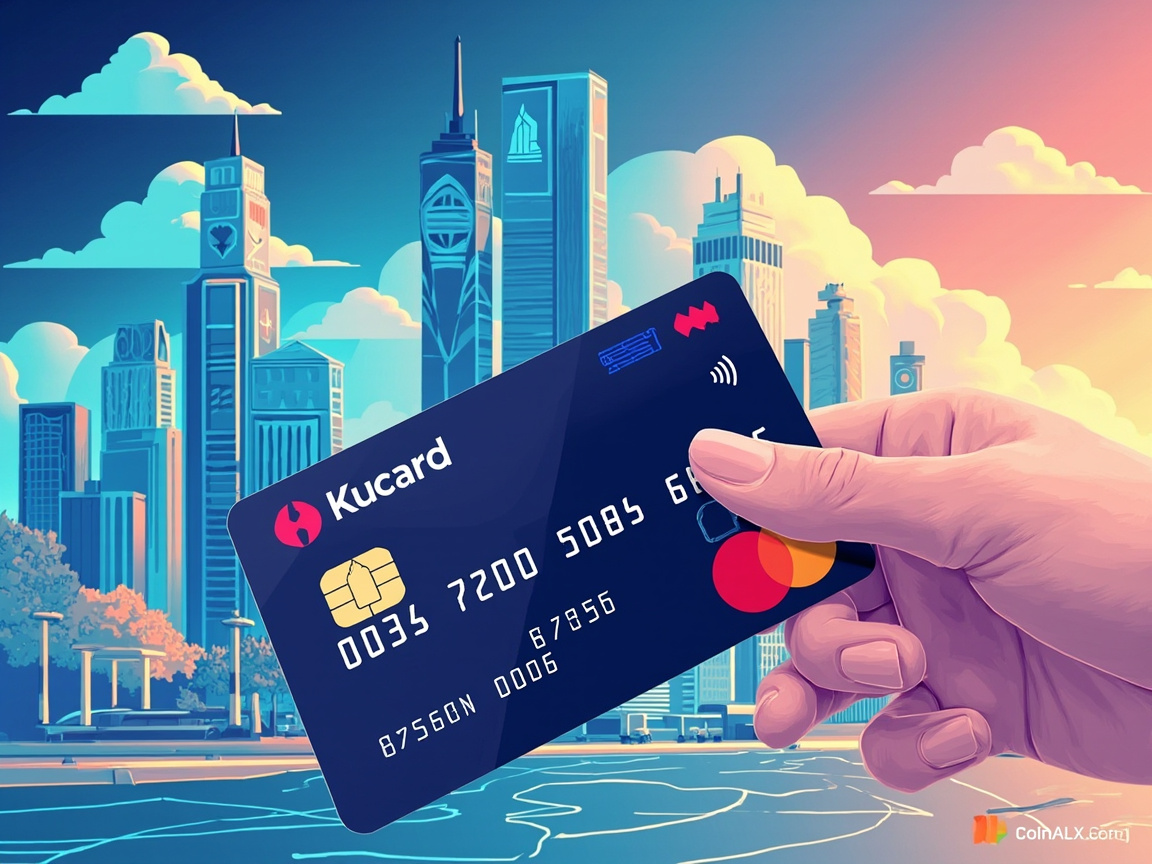
On April 24, KuCoin officially launched KuCard in Australia—a Mastercard-powered crypto debit card. Users can now pay directly with BTC, ETH, USDT, and other assets at any merchant that accepts Mastercard. Merchants receive fiat, and users don’t need to sell their crypto in advance.
On the surface, it’s just a card. But what really matters is that it transforms crypto from a **trading asset** into a **payment tool**.
## Cutting the Knot: From Exchange to Checkout
Historically, spending crypto required a cumbersome process: sell to fiat, transfer to a bank, then swipe a card. KuCard skips all that. At checkout, crypto is automatically converted to fiat, merchants get Australian dollars, and users spend their digital assets.
The key enabler is **Immersve**, a principal member of the Mastercard network, providing a compliant payment rail. KuCoin itself is registered with AUSTRAC, so regulatory friction is minimal.
## Rewards Are a Means, Not the End
KuCard comes with a reward system: KCS holders get up to 8.5% cashback, the first 1,000 users get up to 50% cashback, and sign-up bonuses reach 20 USDC (total pool 10,000 USDC).
Don’t get distracted by the numbers. The 8.5% figure is attractive, but terms will change and caps apply. What’s more important is that KuCoin is using rewards to **build a spending habit**. Once users get used to buying coffee or paying rent with crypto, that habit is hard to break.
## What Comes Next
Australia is becoming a testbed for regulated crypto payments. KuCard’s model: users hold crypto, payments flow through compliant channels, merchants receive fiat, and regulators see every transaction.
For investors, three implications:
1. **Compliant payment rails will accelerate.** Service providers like Immersve could see their value re-rated.
2. **KCS utility gets activated.** Cashback tied to KCS adds real-world use to the exchange token.
3. **Regulatory stance is key.** If Australia’s model works, other regulators may follow rather than ban.
## What to Watch, What to Ignore
**Watch** user growth data: KuCard activations, transaction counts, average spend in Australia. These numbers are more convincing than any influencer hype.
**Ignore** short-term token prices. KuCard is infrastructure, not a pump tool. Its value will show in usage data six months from now, not on day one.
## The Reality Check
Crypto has taken a decade to go from “buy” to “spend.” KuCard isn’t the first, nor the last. But it signals that the industry is shifting from speculation to utility.
For everyday users in Australia: try the card—not for the cashback, but to experience what spending crypto feels like. For investors: keep an eye on the compliant payment sector and KCS ecosystem progress.
As for those still waiting for a “100x coin,” this card probably isn’t for you. But if you believe crypto will eventually enter daily life, KuCard is an important piece of the puzzle.
DISCLAIMER:
1. All content on this website (including but not limited to articles, data, charts, and analyses) is for general informational purposes only and does not constitute any form of investment advice, trading recommendation, or financial guidance.
2. Cryptocurrencies and digital assets are subject to extreme price volatility and high investment risk; you may lose part or all of your principal. Past performance does not predict future results.
3. The information on this website is based on sources we believe to be reliable, but we do not guarantee its accuracy, completeness, or timeliness. Any investment decisions made based on this website’s information are at your own risk.
4. We strongly recommend that you conduct your own thorough research and consult an independent, licensed financial advisor before making any investment decisions.