Cardano Founder Exposes XRP's Core Flaw: Ripple Grows Rich While Token Holders Get Crumbs
2026-04-21 00:59:00
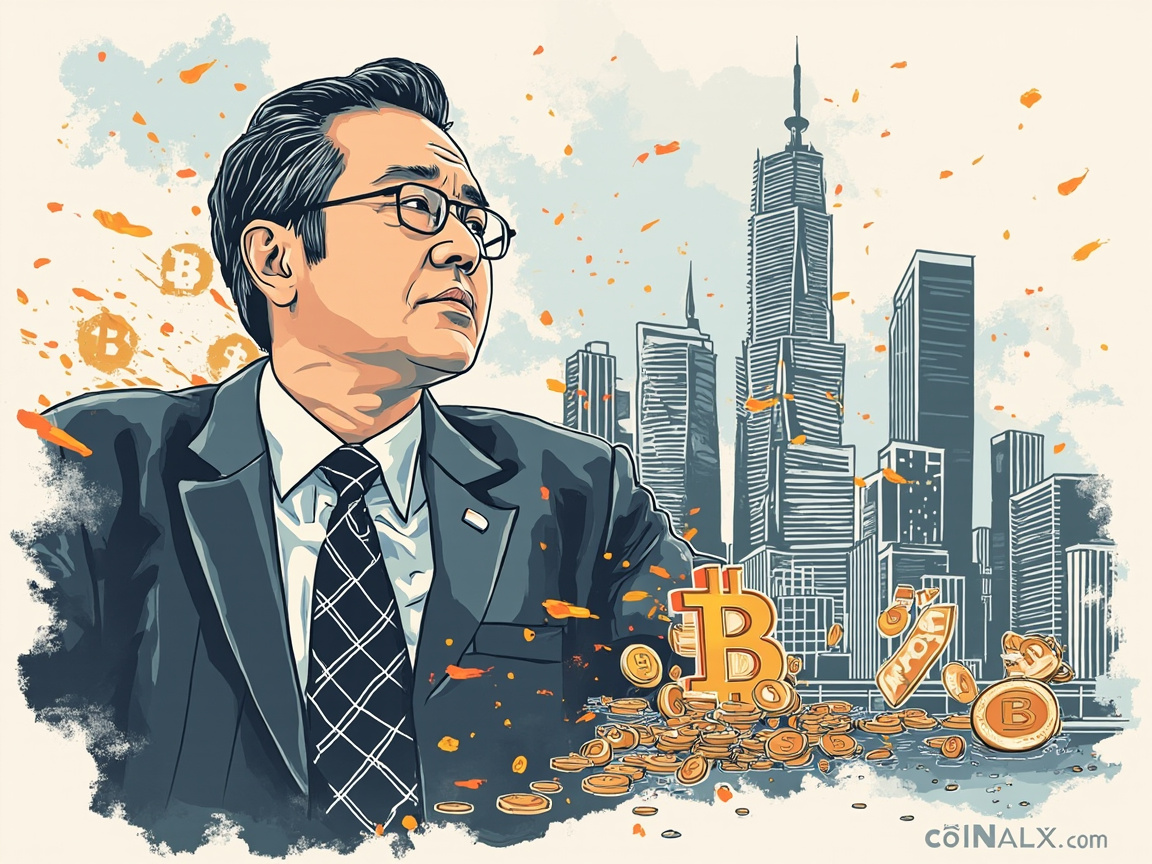
**Cardano founder Charles Hoskinson just tore into XRP's economic model on a recent podcast.** While this might look like another crypto founder feud, the real story is what Hoskinson exposed: **the fundamental disconnect between XRP token holders and Ripple's corporate growth.**
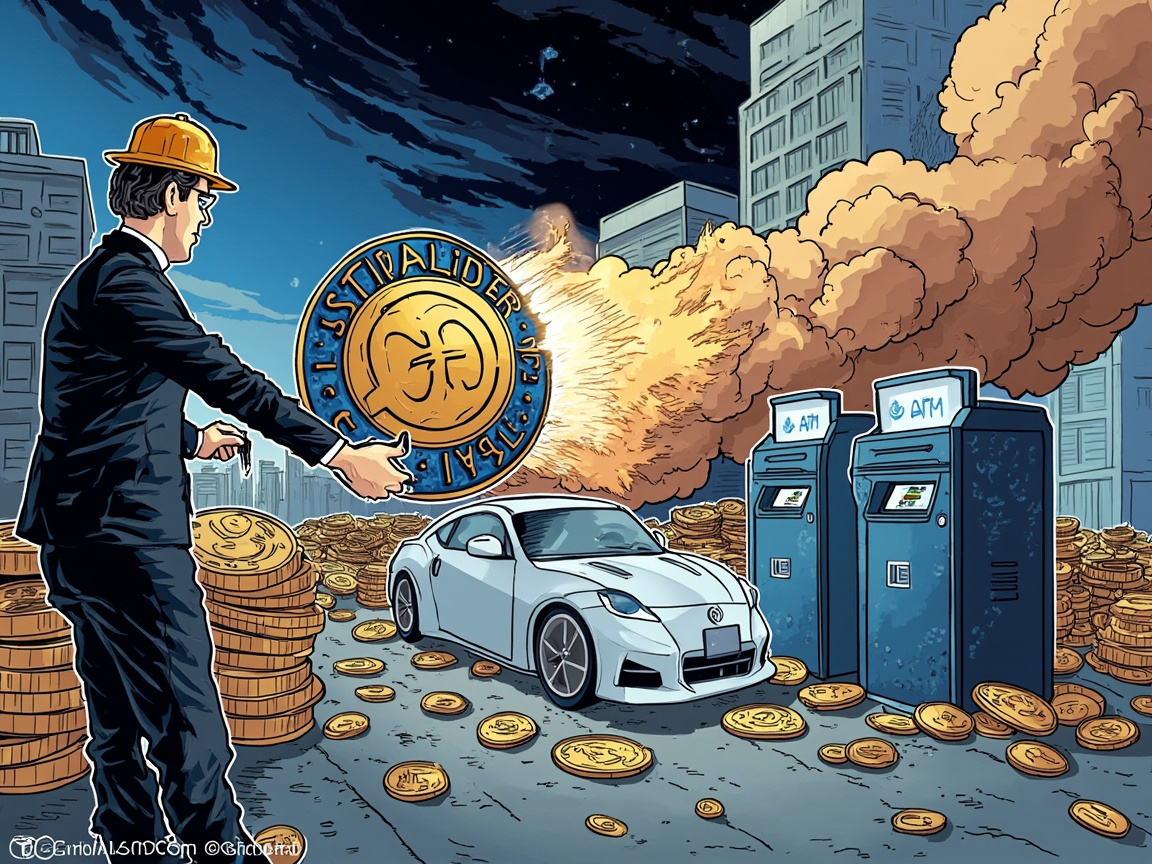
## The Cash Flow Problem: Ripple's ATM
Hoskinson's point is blunt: XRP offers no staking rewards, no governance rights, and no legal claim to Ripple's business, assets, or revenue.
Key data points:
- **70-80% of XRP's initial supply went to Ripple**
- Ripple generates hundreds of millions to billions annually from XRP sales
- That cash funds corporate expansion and acquisitions like Metaco and custody firms
This isn't speculation—SEC case disclosures confirm the sales records.
**The cycle is simple: Ripple sells XRP for cash → uses cash to acquire companies and grow business → corporate value increases → continues selling XRP.**
Where do XRP holders fit in this cycle? Hoskinson's answer: standing by the ATM, watching someone else withdraw.
## The Brutal Comparison: XRP ≈ USDT?
Hoskinson's comparison of XRP to USDT stings but hits the mark.
Like Tether holding dollar reserves that generate interest for the company (not USDT holders), Ripple's business growth, acquisitions, and product development create value locked within the corporation—not automatically flowing to XRP's price.
**Token holders get a digital token; Ripple gets real business assets and cash flow.**
This structural difference matters more than any technical debate.
## The Holder's Dilemma
XRP supporters rightly point to real-world utility: the XRP Ledger, cross-border payment partnerships, and financial institution adoption.
But Hoskinson's core critique remains: **adoption growth ≠ holder returns.**
Ripple could partner with 100 banks, launch 10 new products, and acquire 5 companies—if those business revenues don't directly tie to XRP holdings, token holders only have "market sentiment driving price" as their return mechanism.
Meanwhile, Ripple has two paths: corporate value from business growth plus its massive XRP inventory for liquidity.
Critics calling retail holders "Ripple's liquidity providers" might sound harsh, but the logic holds.
## What to Watch Next
For crypto investors, the real lesson here is about **token economic transparency**.
1. **Monitor Ripple's sales tempo**
- How much monthly unlocked XRP hits markets?
- Are sales data consistently transparent?
- This is your direct supply pressure indicator
2. **Track business-token integration depth**
- Do Ripple's new products mandate XRP usage?
- Are acquired companies integrating XRP payments?
- If businesses can operate without XRP, token value support weakens
3. **Watch for structural changes**
- Post-SEC case, will Ripple adjust token holder rights?
- Could staking, dividends, or other mechanisms emerge?
- This determines long-term economic model evolution
Hoskinson's critique asks what every token holder should: **What rights does this token actually represent?**
Network access? Governance? Revenue share? Or pure speculation?
For XRP, the answer currently leans toward the latter.
## Reality Check
Short-term, this debate won't move XRP's price—market sentiment and macro factors dominate.
Long-term, Hoskinson's structural critique will linger for investors analyzing token economics seriously.
Ripple faces two paths:
- Maintain status quo: fund growth via XRP sales while facing "centralized" and "extractive" criticism
- Reform the model: let holders share corporate growth, sacrificing some control and cash flow
Currently, they're choosing the first path.
For investors, watch one key metric: **What percentage of Ripple's XRP sales cash goes toward buybacks, burns, or holder incentives?**
If that percentage is zero, Hoskinson's right—you're holding a token, not company equity.
**Bottom line:** In crypto, token economics often matter more than technical whitepapers. XRP's technology might be solid, but its value distribution model leaves holders at the bottom of the food chain.
This serves as a crucial reminder: before buying any token, understand where the money flows.
DISCLAIMER:
1. All content on this website (including but not limited to articles, data, charts, and analyses) is for general informational purposes only and does not constitute any form of investment advice, trading recommendation, or financial guidance.
2. Cryptocurrencies and digital assets are subject to extreme price volatility and high investment risk; you may lose part or all of your principal. Past performance does not predict future results.
3. The information on this website is based on sources we believe to be reliable, but we do not guarantee its accuracy, completeness, or timeliness. Any investment decisions made based on this website’s information are at your own risk.
4. We strongly recommend that you conduct your own thorough research and consult an independent, licensed financial advisor before making any investment decisions.