• Thai-listed company DV8 has announced plans to build a corporate treasury of 10,000 Bitcoin.
• DoorDash, Chainlink & Oblong Market Shifts Guide (2026)
• Blockchain AI Convergence: Fact-Check & Market Guide (2026)
• Polygon's mainnet will undergo the Giugliano upgrade on April 8.
• PsiQuantum has started building its million-qubit quantum facility. Scientists say a machine this po
• Anthropic Discontinues Subscription Support for Third-Party Tools
• XRP ETF Forecasts & Bitmine’s $20B ETH Bet: 2026 Analysis
• Crypto & Tech Market Trends 2026: Pi, XRP, Robotaxi Safety
• DoorDash, Chainlink & Oblong Market Shifts Guide (2026)
• SEC v. Ripple Case Ends: XRP Outlook & Monero 51% Attack (2026)
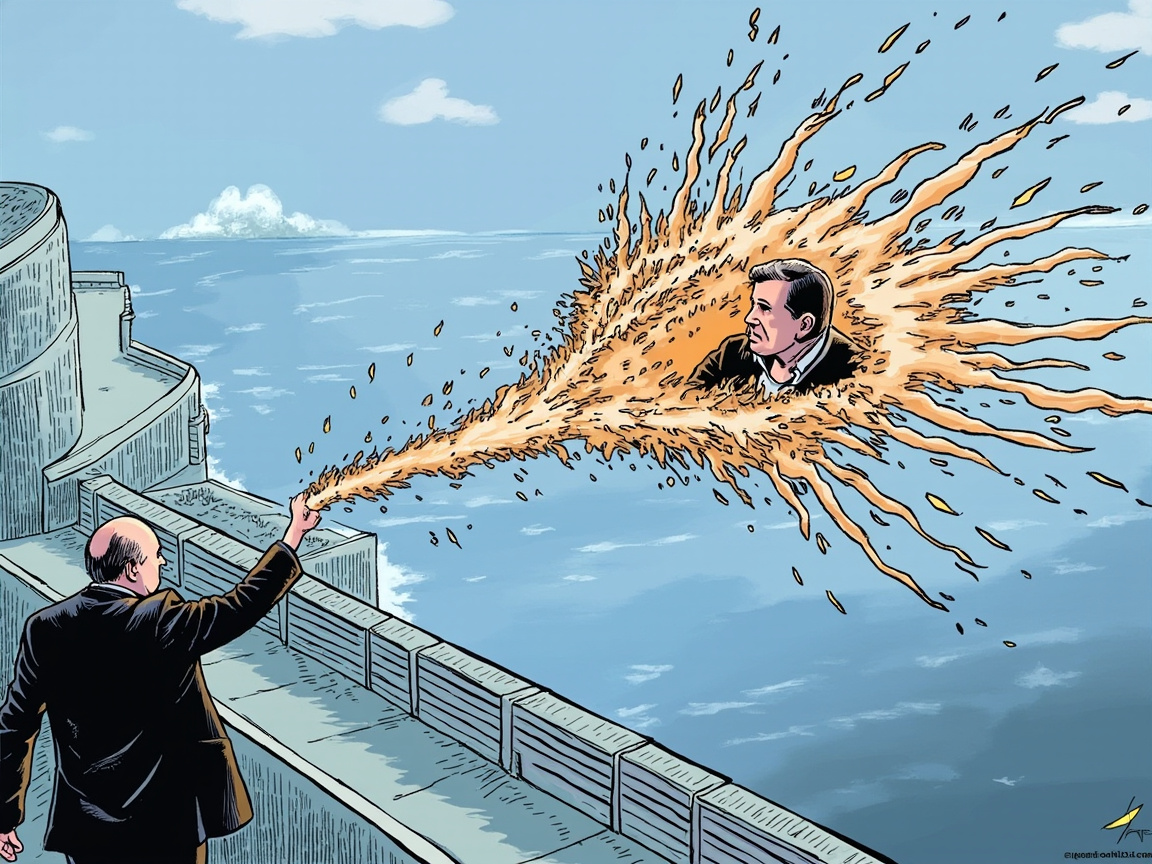
**Markets are celebrating a war that isn't over.**

Iran announces the Strait of Hormuz is reopening, Israel and Hezbollah agree to a ceasefire, and risk appetite explodes. The S&P 500 hits a record high, the Nasdaq matches its longest winning streak, and WTI crude futures crash over 11% in a single day.
On the surface, it's a victory lap. But the real story is the widening crack between market sentiment and physical reality. Futures plunged, but the actual oil market hasn't normalized.
### The Rush Is On, But Is It Right?
Wall Street is front-running a conflict that's far from resolved. The S&P's three-week sprint from March lows to new highs is the fastest rebound of its kind. Traders, burned by missing last year's tariff-reversal rally, are betting on a full recovery before supply chains and energy infrastructure see real repair.
Sentiment is driving the bus, but fundamentals aren't terrible. The U.S. economy shows resilience, earnings beat expectations, and AI demand remains hot. JPMorgan data shows 2026 S&P 500 earnings growth estimates revised up nearly 3 percentage points. Double-digit profit growth is still possible.
The problem? The market is betting on "war over," but Iran's "open" strait still requires "coordination" for commercial passage, and the U.S. maintains its naval blockade. That's a far cry from free flow.
### Oil's Split Personality: Futures Crash, Physical Stays High
**This is the crack to watch.**
WTI futures fell over 11% Friday, down 13% for the week, erasing ~70% of their war-driven gains. Charts suggest oil is back to pre-conflict levels.
Physical markets tell a different story.
Bloomberg reports physical crude prices remain elevated. Shipping routes are still snarled, tanker rates are high, and inventories are depleted. These issues take weeks or months to normalize. Futures can crash overnight; tankers can't reroute that fast.
"Oil prices drive rate expectations, it's that simple," says Wellington Management's Brij Khurana. Lower oil feeds into lower inflation expectations, potentially easing yields by summer. But only if the physical market catches up to futures' optimism.
Right now, futures are sprinting ahead. Physical hasn't moved.
### Bonds: Rate-Cut Hopes Rise, But Short End Stays Cautious
The oil crash turbocharged rate-cut bets. Fed funds futures now price a ~70% chance of at least one cut this year, up from ~30%. The 10-year Treasury yield saw its biggest daily drop since March.
Yet caution lingers. "Financial markets are barely pricing any risk beyond the short end of rates," notes M&G Investments' Andrew Chorlton. Inflation expectations 1-2 years out carry no risk premium.
The 2-year yield is still up ~30 bps since the conflict began. Pre-war, traders expected multiple cuts this year. Now, they see about a 60% chance of just one.
"This shows extreme sensitivity to Middle East headlines," says TD Securities' Gennadiy Goldberg. "Many will wait to see if progress holds over the weekend."
### The Real Risk: Markets Are Already Pricing "War Over"
Multiple voices warn the optimism is premature.
* "Even if a deal is reached, core issues will remain unresolved," writes Evercore ISI's Sarah Bianchi.
* PIMCO's Daniel Ivascyn: "The base case is de-escalation, but tail risks are huge. This was a real inflation shock."
* Nuveen's Laura Cooper, overseeing $1.4T: "The mispricing is treating this as over while vulnerabilities persist."
Goldman's John Flood notes CTAs bought ~$33B in S&P exposure this week, but the fastest buying is done. "The market is set up for a pullback next week."
Historically, markets brushing off geopolitics has been right—global stocks fell just 0.6% the day Russia invaded Ukraine. But Arkévium's Maxence Visseau notes two exceptions: 1973 and 1990, both periods of sustained oil supply disruption.
Whether this conflict joins that short list depends on the coming weeks.
### What Investors Should Watch Now
**Ignore the index highs. Watch these instead:**
1. **Real oil markets, not futures.** When do shipping lanes truly clear? When do tanker rates fall? When are inventories refilled? These are the hard metrics for a sustained "war over" trade.
2. **The short end of the curve.** The 2-year yield is below the Fed funds rate, but 1-2 year inflation expectations carry no risk premium. If physical oil stays high, inflation fears—and bond market sentiment—could reverse overnight.
3. **Remember the market is priced for perfection.** Any negative surprise—a snag in Iran's "coordination," a longer U.S. blockade—could trigger a sharp correction. Goldman's CTA data shows the fastest buying is over. The market is braced for a pullback. Are you?
This rally is built on shaky ground. Futures can run fast, but physical markets move at their own pace. When they disconnect, the crack widens. Don't follow the sentiment. Watch the crack. That's where the real risk—and opportunity—lies.
| DISCLAIMER: The information on this website is provided as general market commentary and does not constitute investment advice. We encourage you to do your own research before investing. |
Recommended reading





Markets
2026-03-24
Markets
2026-02-26
Markets
2026-03-23
Latest News