• Thai-listed company DV8 has announced plans to build a corporate treasury of 10,000 Bitcoin.
• DoorDash, Chainlink & Oblong Market Shifts Guide (2026)
• Blockchain AI Convergence: Fact-Check & Market Guide (2026)
• Polygon's mainnet will undergo the Giugliano upgrade on April 8.
• PsiQuantum has started building its million-qubit quantum facility. Scientists say a machine this po
• Anthropic Discontinues Subscription Support for Third-Party Tools
• XRP ETF Forecasts & Bitmine’s $20B ETH Bet: 2026 Analysis
• Crypto & Tech Market Trends 2026: Pi, XRP, Robotaxi Safety
• DoorDash, Chainlink & Oblong Market Shifts Guide (2026)
• SEC v. Ripple Case Ends: XRP Outlook & Monero 51% Attack (2026)
Binance's Master Plan: Building the Infrastructure for the Next Crypto Bull Run
2026-04-17 04:42:35
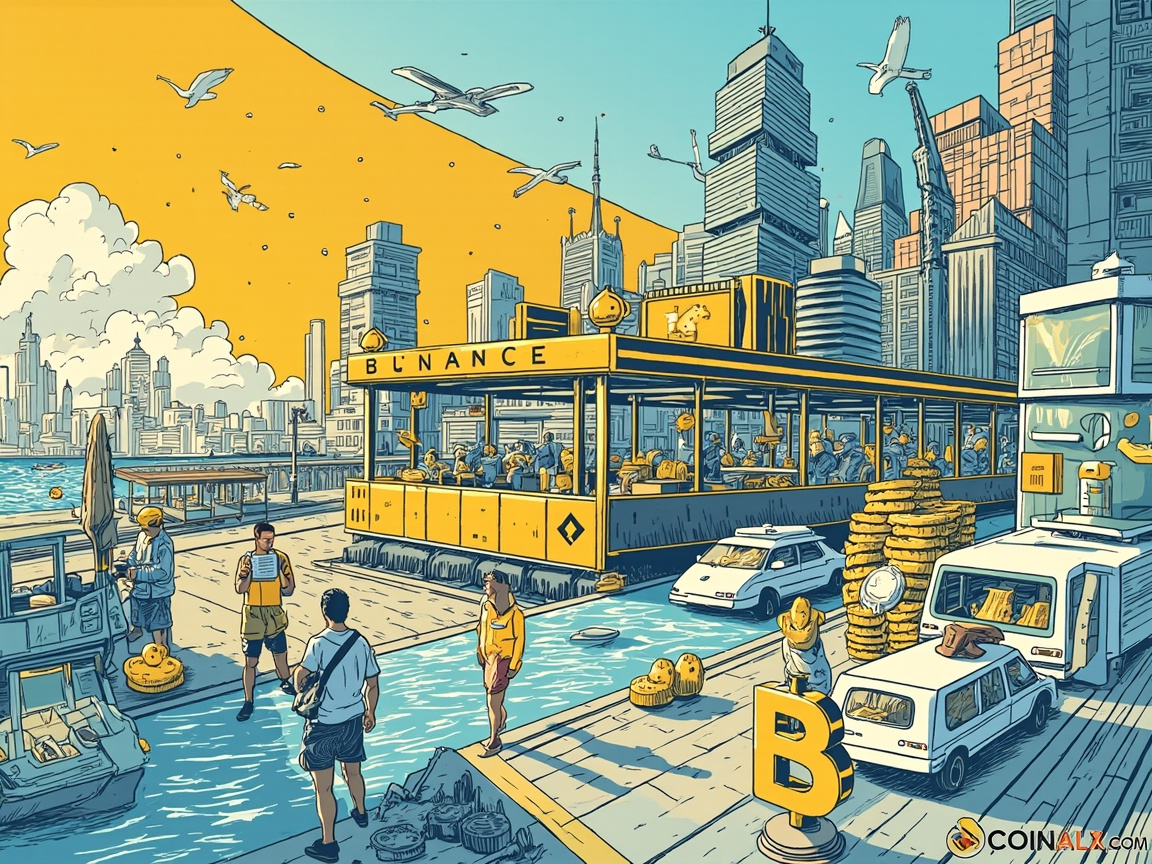
While everyone watches Bitcoin ETF flows, Binance is digging trenches. In a recent hour-long podcast, co-CEO Richard Teng laid bare the exchange's real game: transforming the "super-app" vision from marketing speak into a concrete strategy for capturing the next generation of capital entering crypto.
## The Real Battle Isn't About Trading Fees
The market obsesses over spot trading volumes and fee wars. Teng sees a different frontier: **the seamless movement of traditional money onto blockchains.** He identified three converging trends that will define where new money flows:
1. **Stablecoins as on-ramps**, not just payment tools
2. **Regulation as a blueprint** for compliant pathways, not just a hurdle
3. **Tokenization as the inevitable path** for traditional assets to move on-chain
## Where the Super-App Gets Real: Stablecoins & Compliance
For years, Binance's "super-app" talk felt abstract. Teng gave it coordinates.
**First cut: Stablecoins.** The narrative isn't about using USDT to buy coffee. In emerging markets battling high inflation, dollar-pegged stablecoins have become **de facto savings accounts**. Binance's play is clear: if converting fiat to stablecoins is step one, the exchange must become the primary hub for their issuance, custody, and utility—not just trading.
**Second cut: Regulatory compliance.** "Regulation accelerates adoption," Teng noted. This isn't corporate speak. After its $4.3 billion settlement with U.S. authorities, Binance has been aggressively securing licenses worldwide. The compliance burden is now a **moat**. Smaller exchanges can't keep up; large institutions remain hesitant. Binance's global regulatory patchwork is becoming its ticket to dealing with traditional finance.
## Tokenization: The Next Narrative's Core Infrastructure
Teng spent significant time on tokenization—and for good reason. Bitcoin ETFs are the appetizer. The main course is **tokenized traditional assets (bonds, stocks, funds)**.
The scale is staggering. Global stock and bond markets represent over $100 trillion. Even 1% tokenization would mean trillions in new capital flow. This money won't go straight to Bitcoin; it will need custody, trading pairs, and liquidity pools. Binance's super-app is essentially **building the rails for this scenario**.
## What Investors Should Watch: Three Signals
1. **On-chain stablecoin metrics:** Look beyond exchange volume. Track the growth of Binance-issued stablecoins, their cross-chain movement, and holder addresses.
2. **Regulatory licensing pace:** Where Binance gets a license, expect localized fiat on-ramps and compliant products to follow.
3. **Traditional asset listings:** The moment Binance lists tokenized treasury bonds or corporate debt is the moment the tokenization narrative moves from theory to practice.
## The Bottom Line: A Survival Strategy, Not a Story
Teng didn't talk about changing the world. He discussed market cycles, regulatory risk, and capital flows. This reflects Binance's shift from growth-at-all-costs to **structural safety and creating dependency**.
The super-app's core logic is simple: once users enter Binance's ecosystem, they shouldn't need to leave. Trading, earning, borrowing, spending—all within one walled garden. It's the playbook of Tencent and Alibaba, applied to crypto.
Binance is betting on two things:
* Regulation will consolidate the industry, clearing out smaller players
* The biggest barrier for traditional capital isn't technology, but trust and convenience
Forget product roadmaps. View the super-app as Binance's thesis for the next two years: **compliance, institutionalization, and real-world asset tokenization.**
When asked about the long term, Teng gave the standard CEO answer. But Binance's long-term play is already in motion: building pipes, securing licenses, and connecting to traditional finance.
The next bull run likely won't be driven by halving narratives alone, but by **traditional capital moving assets on-chain through compliant channels.** Binance is laying the pavement for that road. The question isn't whether Binance will dominate again, but whether its pipes will be ready when the floodgates open. That answer will define its position for the next three years.
| DISCLAIMER: The information on this website is provided as general market commentary and does not constitute investment advice. We encourage you to do your own research before investing. |
Recommended reading

Bitcoin
2026-02-26
Bitcoin
2026-03-31
Latest News