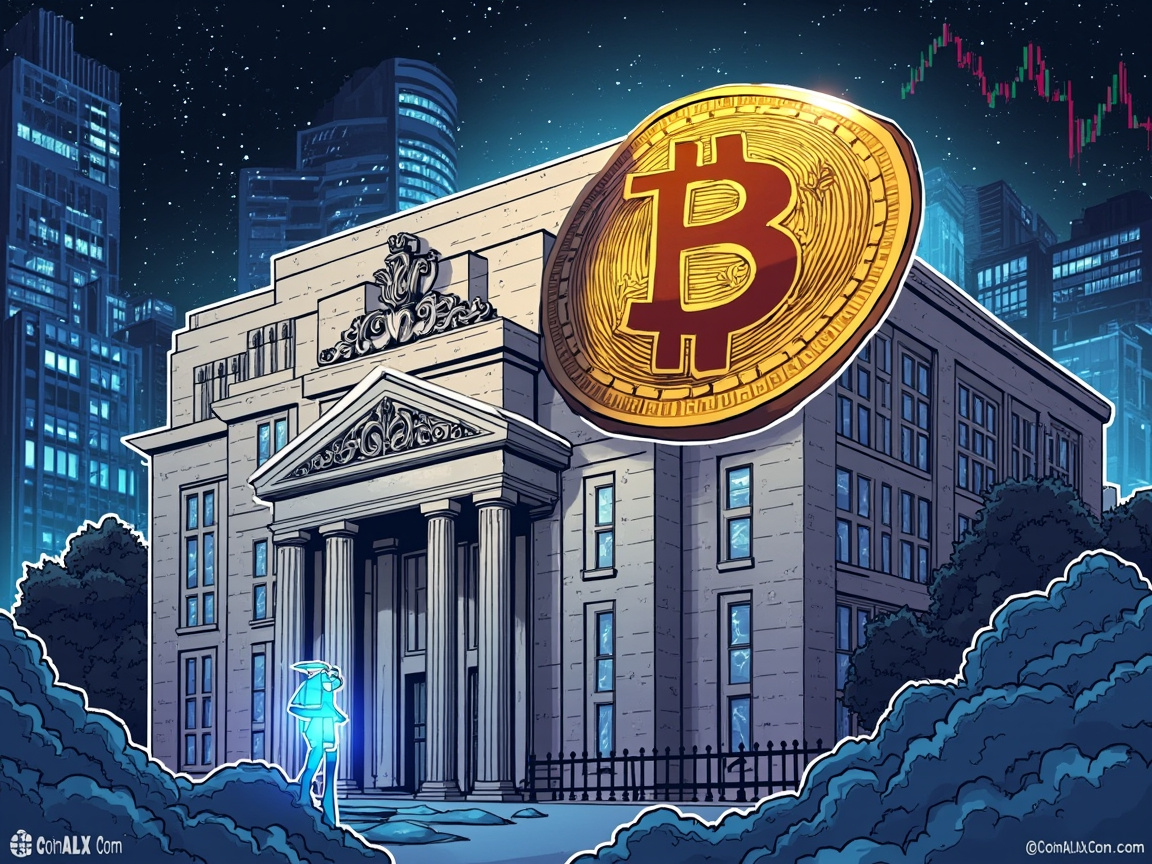
• Thai-listed company DV8 has announced plans to build a corporate treasury of 10,000 Bitcoin.
• DoorDash, Chainlink & Oblong Market Shifts Guide (2026)
• Blockchain AI Convergence: Fact-Check & Market Guide (2026)
• Polygon's mainnet will undergo the Giugliano upgrade on April 8.
• PsiQuantum has started building its million-qubit quantum facility. Scientists say a machine this po
• Anthropic Discontinues Subscription Support for Third-Party Tools
• XRP ETF Forecasts & Bitmine’s $20B ETH Bet: 2026 Analysis
• Crypto & Tech Market Trends 2026: Pi, XRP, Robotaxi Safety
• DoorDash, Chainlink & Oblong Market Shifts Guide (2026)
• SEC v. Ripple Case Ends: XRP Outlook & Monero 51% Attack (2026)
Bitcoin Holds $60K Amid Middle East Turmoil: Is the 'Safe Haven' Narrative Finally Real?
2026-04-17 01:56:03
The Middle East is back in the headlines. U.S.-Iran tensions have flared, oil supplies are under threat, and global markets are on edge. Gold moved, stocks dipped, cash positions rose—yet Bitcoin held its ground, stubbornly trading above $60,000.

On the surface, this looks like another routine test of Bitcoin's 'safe haven' properties. But the real story is in the market's cold, hard cash vote: On Polymarket, the contract betting on Bitcoin staying above $60,000 traded at 99.8 cents. Almost no one is betting it will break lower.
### The Market Didn't Flinch
Data doesn't lie. On April 19, despite oil supply shocks and fragile ceasefire rumors, the relevant contracts barely budged. Moving the odds by 5 points would have required over $32,000 in capital flow—yet only $4,447 in USDC volume changed hands that day.
No one sold. No one even tried.
This isn't retail sentiment; it's the icy clarity of market consensus. While panic spread elsewhere, Bitcoin holders chose to hold. In volatile times, that 'inaction' speaks volumes.
### A Cut to the Narrative's Core
Bitcoin's safe-haven story is over a decade old, often trotted out during global crises—and often disproven (see March 2020's crash alongside equities).
This time is different.
The key isn't the absolute price, but its *relative strength*. Cash flowed to safety, stocks fell, gold rose—Bitcoin didn't follow the downside. It held its line. This proves a portion of capital now genuinely views it as a port in a storm, not just a speculative risk asset.
The narrative is becoming consensus. Consensus is becoming positioning.
### What to Watch Next: Structure, Not Price
Geopolitical conflict won't end overnight, but the market's first reaction is often the truest. Right now, focus less on whether Bitcoin hits $61,000 or $59,000 tomorrow, and more on two structural shifts:
**1. Fund Flows.** If tensions escalate, watch for traditional safe-haven capital entering Bitcoin via compliant channels like ETFs. That's the hard evidence of mainstream acceptance—moving beyond crypto-native belief.
**2. Derivatives Markets.** Prediction markets like Polymarket reveal 'smart money' conviction better than any analyst report. A 99.8-cent price implies the market sees a minuscule chance of breaking $60K. Any factor that dramatically shifts that price—a sudden oil disruption or unexpected diplomatic breakthrough—will be the real short-term catalyst.
### What This Means for Holders
It means your portfolio's foundational logic just gained another pillar.
You might have held Bitcoin for inflation hedging, its technology, or the halving. Now, geopolitical risk is a tangible, observable support factor. When conflict erupts somewhere in the world, one asset in your portfolio might not shudder with the rest.
This doesn't mean Bitcoin only goes up. It means another tool has been validated in its asset attribute toolkit. More tools mean a stronger foundation.
### Stay Grounded
Don't expect one conflict to turn Bitcoin into digital gold overnight. But this rock-solid performance has cracked open a door—showing skeptics that, under extreme market stress, it can act as a non-correlated asset.
The path forward is clear: If conflict persists, Bitcoin's safe-haven narrative faces continued stress tests. If tensions ease, watch whether it holds its gains, proving its strength isn't purely panic-driven.
For investors, the most practical move isn't chasing the pump, but reassessing your allocation: When the next black swan arrives, how much of your portfolio do you want in an asset that *might not follow the crash*?
The market has voted. Where will you place your bet?
| DISCLAIMER: The information on this website is provided as general market commentary and does not constitute investment advice. We encourage you to do your own research before investing. |
Recommended reading


Bitcoin
2026-02-26
Bitcoin
2026-03-31
Latest News