• Thai-listed company DV8 has announced plans to build a corporate treasury of 10,000 Bitcoin.
• DoorDash, Chainlink & Oblong Market Shifts Guide (2026)
• Blockchain AI Convergence: Fact-Check & Market Guide (2026)
• Polygon's mainnet will undergo the Giugliano upgrade on April 8.
• PsiQuantum has started building its million-qubit quantum facility. Scientists say a machine this po
• Anthropic Discontinues Subscription Support for Third-Party Tools
• XRP ETF Forecasts & Bitmine’s $20B ETH Bet: 2026 Analysis
• Crypto & Tech Market Trends 2026: Pi, XRP, Robotaxi Safety
• DoorDash, Chainlink & Oblong Market Shifts Guide (2026)
• SEC v. Ripple Case Ends: XRP Outlook & Monero 51% Attack (2026)
France's Crypto Kidnapping Epidemic: When $400K Ransom Demands Expose the Industry's Physi
2026-04-16 23:40:09
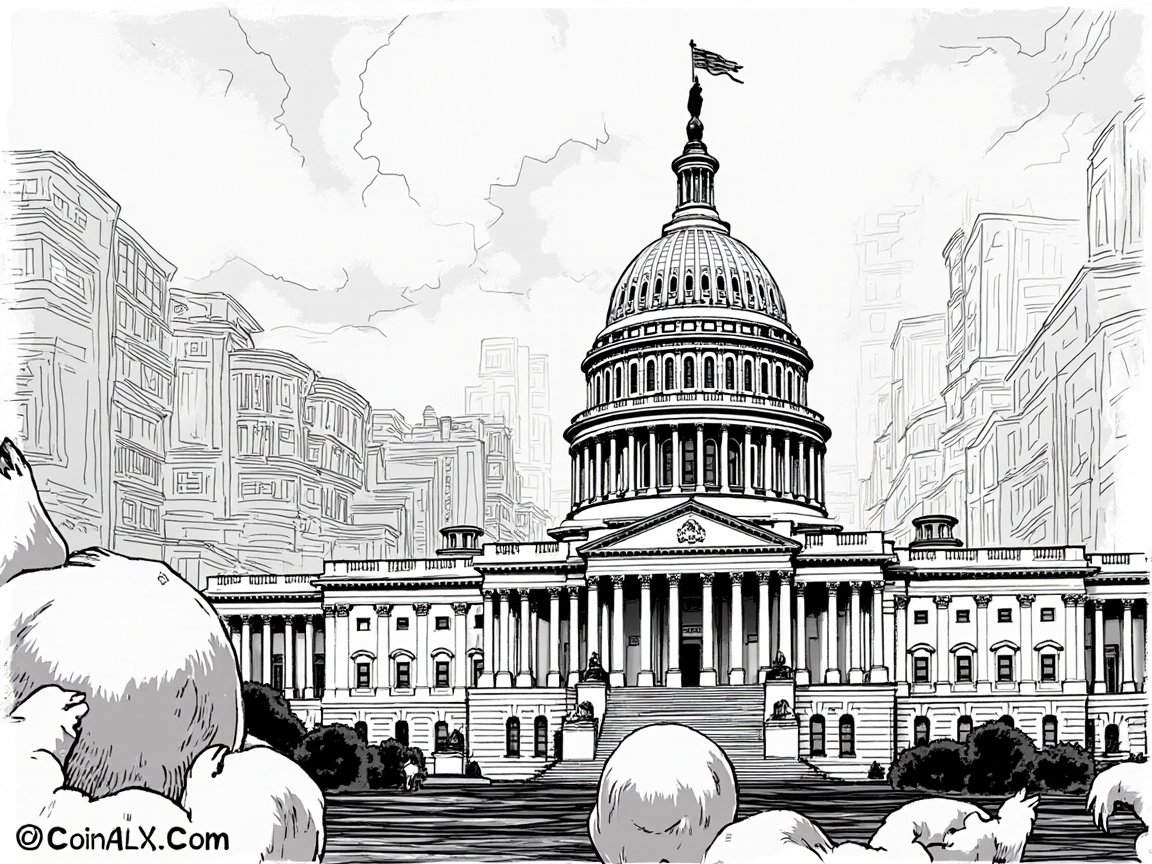
Another crypto-related kidnapping in France has ended with a police rescue—but the underlying threat is only growing. French elite police unit GIGN stormed a hotel room in Val-de-Marne early Tuesday, freeing a mother and her 11-year-old son after kidnappers demanded $400,000 in cryptocurrency. The family was targeted because the father, a crypto entrepreneur, held assets in time-locked wallets the attackers couldn't immediately access.

**Why This Matters Beyond the Headlines**
This isn't an isolated crime—it's the fourth publicly reported crypto kidnapping in France since late 2023. Attackers are bypassing digital security entirely with what French media call "wrench attacks": physical violence targeting crypto holders directly. When time-locked wallets (designed as security features) become triggers for kidnapping, the industry's safety assumptions need complete reexamination.
**The Pattern Emerging in France**
- A French judge kidnapped for crypto ransom
- Binance France CEO surviving a home invasion attempt
- Ledger co-founder David Balland kidnapped and tortured
- Attackers impersonating police to gain entry to victims' homes
Worryingly, data leaks may be fueling these attacks. One former tax agent previously jailed for leaking prison guard information was also found investigating crypto investors—suggesting attackers might have access to targeted lists.
**Government Response: Too Little, Too Late?**
At Paris Blockchain Week, French Minister Jean-Didier Berger finally acknowledged the crisis, mentioning "preventive measures" and a new platform. But concrete plans with Interior Minister Laurent Nuñez are still weeks away. After four major incidents, this delayed response suggests either the problem has become unavoidable or political pressure finally forced action.
**Industry's Band-Aid Solution: Insurance**
Some crypto insurers now offer kidnapping and ransom coverage for digital asset holders. While providing financial protection, this approach has dangerous side effects:
1. Legitimizing "wrench attacks" as standard industry risks
2. Potentially attracting more attackers who know victims have insurance
Insurance treats symptoms, not causes. Real security needs to be built from the ground up.
**What Comes Next: Three Signals to Watch**
1. **Government action quality**—Will France enact specific legislation protecting crypto holders' identity data and punishing leaks? Generic patrols or awareness campaigns won't stop determined attackers.
2. **Industry security redesign**—Time-locked wallets failed here. Expect hardware wallet makers and custodians to develop "emergency contact" or multi-sig rescue features. The real challenge: balancing security with accessibility.
3. **Attack evolution**—Kidnappers now understand time locks. Next they might demand pre-unlocked wallets or seed phrases directly. Cross-border operations would complicate law enforcement exponentially.
**For Investors: Behavioral Vulnerabilities Matter More Than Technical Ones**
Code can't stop kidnappers. Ask yourself:
- Have you flaunted holdings on social media?
- Is your home address linked to your crypto identity?
- Do emergency contacts know how to respond to ransom demands?
France's cases show security is no longer about privacy—it's about family safety.
**The New Reality: Security Costs Become Industry Entry Barriers**
For years, crypto lowered access barriers. Now security costs are creating new ones. Expect polarization:
- Average users migrating to regulated custodians, trading autonomy for safety
- High-net-worth holders building private security teams, paying premiums for self-custody
The middle ground—self-custody without proper protection—is becoming dangerously exposed.
This $400K ransom case isn't just crime news; it's an industry inflection point. When violence becomes the final workaround for crypto security, every holder pays the price. French police saved these hostages, but they can't restore the shattered illusion of safety. How the industry responds to the next attack will determine whether this becomes a sustained crisis or the catalyst for meaningful change.
| DISCLAIMER: The information on this website is provided as general market commentary and does not constitute investment advice. We encourage you to do your own research before investing. |
Recommended reading





Latest News