• Thai-listed company DV8 has announced plans to build a corporate treasury of 10,000 Bitcoin.
• DoorDash, Chainlink & Oblong Market Shifts Guide (2026)
• Blockchain AI Convergence: Fact-Check & Market Guide (2026)
• Polygon's mainnet will undergo the Giugliano upgrade on April 8.
• PsiQuantum has started building its million-qubit quantum facility. Scientists say a machine this po
• Anthropic Discontinues Subscription Support for Third-Party Tools
• XRP ETF Forecasts & Bitmine’s $20B ETH Bet: 2026 Analysis
• Crypto & Tech Market Trends 2026: Pi, XRP, Robotaxi Safety
• DoorDash, Chainlink & Oblong Market Shifts Guide (2026)
• SEC v. Ripple Case Ends: XRP Outlook & Monero 51% Attack (2026)
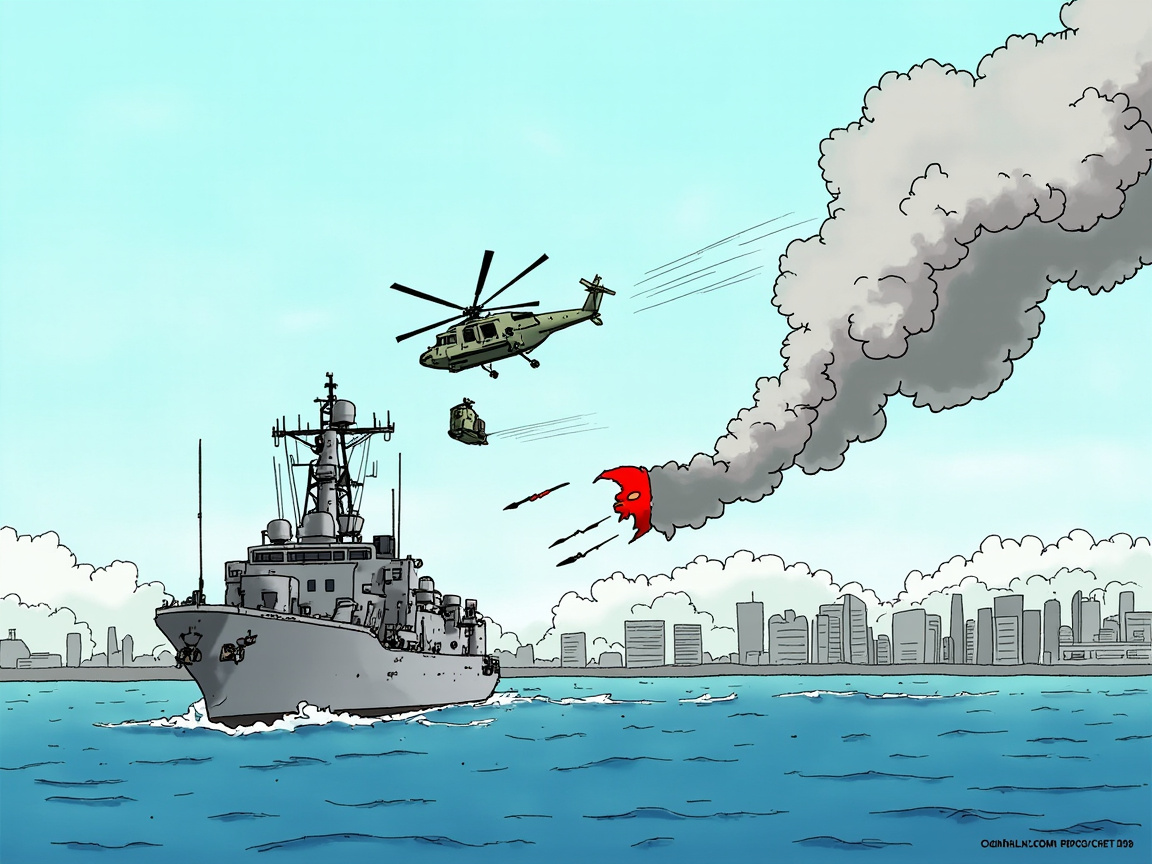
**U.S. Marines just ran live-fire exercises from the amphibious assault ship USS Tripoli during Iran’s port blockade—part of a wider show of force dubbed Operation Epic Fury.** But the real story isn’t the military posturing. It’s how the market is pricing the risk: a prediction market on whether the UK will send warships through the Strait of Hormuz by April 30 sees odds swing wildly on barely $1,274 in daily volume.
## Liquidity So Thin, a Few Trades Move the Needle
This market has a total value of around $13,000. Yet just **$581** is enough to shift the probability by **5 percentage points**. A spike from 8% to 10% this week likely came from a handful of orders.
What does that mean? This isn’t deep institutional positioning—it’s a shallow pool where any rumor or unverified tweet can trigger violent price swings. Traders looking for signals here should remember: **don’t mistake noise for trend.**
## The 10x Bet: Will London Send Ships?
The market currently offers **10x returns** if the UK deploys naval assets to the Strait by the deadline. Rising odds suggest some money is betting they will.
But here’s the catch: this bet hinges entirely on an official statement from the UK Ministry of Defence or its allies. Without confirmation, it’s pure speculation. And the decision itself is tangled in political calculus—with U.S. forces already positioned, will Britain follow? How soon? At what scale?
**Watch official channels in London and Washington, not just the odds.** Any phrase like “considering deployment” or “coordinating with allies” could ignite this micro-market in seconds.
## Why the Strait Matters: The World’s Oil Chokepoint
The Hormuz Strait carries a third of the world’s seaborne oil. U.S. control of these lanes is essentially a grip on the global energy artery. Each escalation in tension risks bumping oil prices and shipping insurance costs.
Yet the muted trading volume shows most money is still on the sidelines. Why? Because the probability of direct military conflict remains fuzzy. Are U.S. drills mere muscle‑flexing, or a prelude to action? Will Iran escalate back? Nobody knows.
For crypto traders, the lesson is this: geopolitical shocks rarely transmit in a straight line. Oil moves may affect inflation expectations, which then sway macro policy, and finally ripple into risk assets—with lags and distortions along the way.
## What to Watch Next
1. **Official statements from the UK or allies.** This is the on/off switch for the prediction market. Any confirmed deployment will trigger a reaction—but remember, thin liquidity amplifies moves. Don’t get shaken out.
2. **Actual escalation on the water.** Drills are preamble; live fire is the main event. If clashes or stricter blockades occur, the entire geopolitical risk premium will be repriced—affecting far more than this niche market.
## The Bottom Line
It’s all about **mispriced expectations**. The market currently prices a 10% chance of UK deployment, but that price rests on extremely fragile liquidity. Any new information—official moves or battlefield events—can rewrite the odds overnight.
For investors, the play here isn’t about betting on direction, but on **volatility**. Thinner liquidity means wilder swings. Just be clear what you’re trading: the event itself, or the market’s overreaction to it?
Until official decisions land, this remains a game of small stakes moving big odds. You can play—but know the table is wobbly and could tip at any moment.
| DISCLAIMER: The information on this website is provided as general market commentary and does not constitute investment advice. We encourage you to do your own research before investing. |
Recommended reading



Markets
2026-03-24
Markets
2026-02-26
Markets
2026-03-23
Latest News