• Thai-listed company DV8 has announced plans to build a corporate treasury of 10,000 Bitcoin.
• DoorDash, Chainlink & Oblong Market Shifts Guide (2026)
• Blockchain AI Convergence: Fact-Check & Market Guide (2026)
• Polygon's mainnet will undergo the Giugliano upgrade on April 8.
• PsiQuantum has started building its million-qubit quantum facility. Scientists say a machine this po
• Anthropic Discontinues Subscription Support for Third-Party Tools
• XRP ETF Forecasts & Bitmine’s $20B ETH Bet: 2026 Analysis
• Crypto & Tech Market Trends 2026: Pi, XRP, Robotaxi Safety
• DoorDash, Chainlink & Oblong Market Shifts Guide (2026)
• SEC v. Ripple Case Ends: XRP Outlook & Monero 51% Attack (2026)
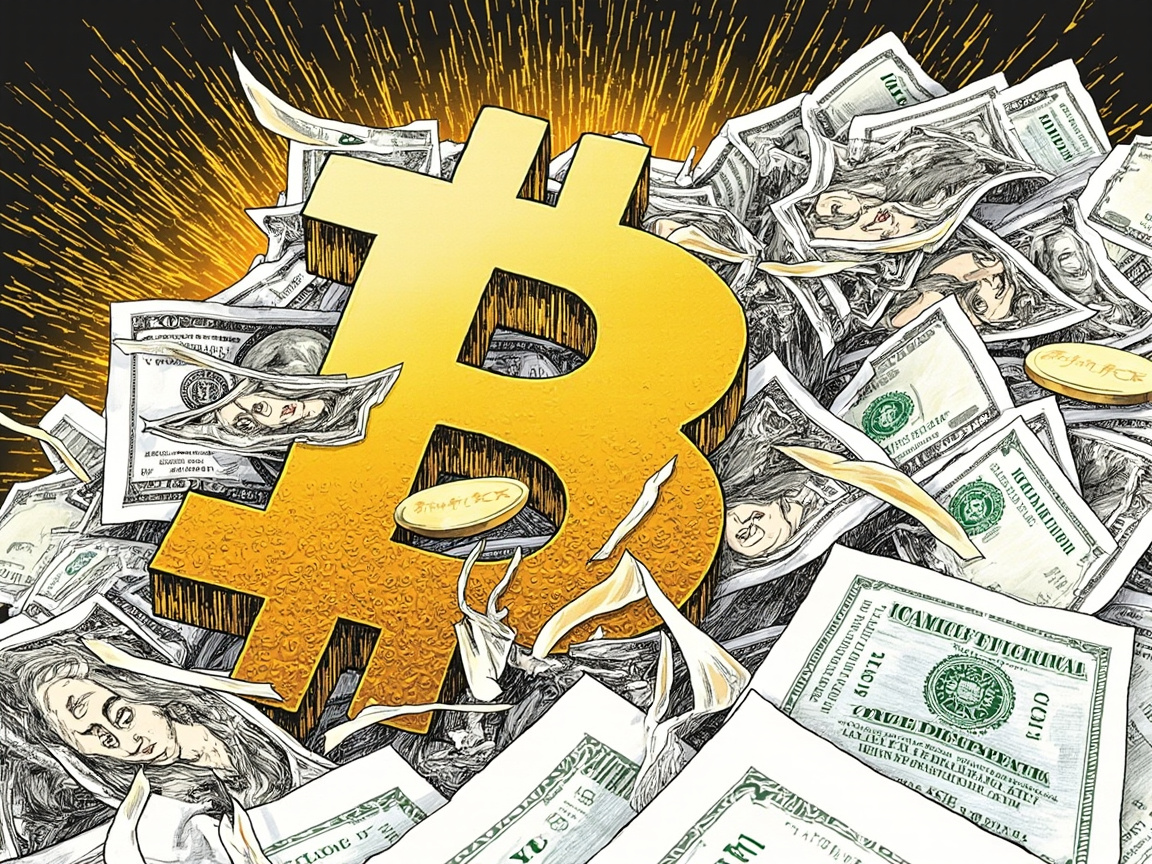
The International Monetary Fund (IMF) just dropped a bombshell report on U.S. debt sustainability, and it’s not the usual polite warning. Buried in the dry fiscal analysis is a stark message: the world’s core safe asset—U.S. Treasuries—is growing riskier, and the market could be headed for a sudden, violent repricing.
**Why This Matters for Crypto**
On the surface, this is about bond markets. But look deeper: if the bedrock of global finance starts cracking, Bitcoin’s “digital gold” narrative gets its strongest macro validation yet. When traditional safety erodes, capital seeks alternatives—and Bitcoin’s fixed supply looks increasingly compelling against endless Treasury issuance.
### The Safety Premium Is Vanishing
IMF data shows the yield spread between AAA corporate bonds and Treasuries has narrowed from over 55 basis points in 2019 to about 35 today. Translation: investors are paying less for the perceived safety of U.S. debt.
With budget deficits averaging 6% of GDP—unprecedented in peacetime—and no fiscal discipline in sight, Treasury supply is flooding the market. Demand, meanwhile, is getting picky. Safe assets aren’t feeling so safe anymore.
### Short-Term Debt: A Ticking Time Bomb
The Treasury has increasingly relied on short-term bills to fund deficits. That’s dangerous. Shorter maturities mean more frequent refinancing, exposing the government to sudden shifts in market sentiment. It’s a classic maturity mismatch—and if confidence wobbles, refinancing costs could spike, triggering a vicious cycle.
For Bitcoin holders, watch this closely. The shorter the debt structure, the more sensitive markets become to rate volatility. Any “sudden repricing” could accelerate capital rotation out of traditional assets.
### Leverage Magnifies the Fragility
The IMF specifically called out hedge funds’ growing role in Treasury markets via basis trades. These leveraged positions provide liquidity that can “flee easily” during stress. Sound familiar? Crypto has seen this movie before—LUNA, FTX—where leverage unwinds cascade. Now, the same dynamic is infecting the world’s most important bond market.
Bitcoin’s decentralized, non-leveraged nature starts to look like a feature, not a bug.
### Global Domino Effect
U.S. yield spikes spill over almost one-for-one into foreign bond markets, hitting debt-dependent economies hardest. No country is immune. As the quality of the traditional safe-asset pool degrades, Bitcoin’s global, censorship-resistant network gains relative appeal.
Geopolitical shocks—like Middle East conflicts—could add 4 percentage points to global risk premiums, per the IMF. In a world where black swans are the norm, Bitcoin’s resilience stands out.
### What to Watch Next
1. **The Treasury’s quarterly refunding announcement** (due in three weeks). Will the U.S. keep leaning on short-term debt? Will long-term issuance meet weak demand? Both scenarios favor Bitcoin’s scarcity story.
2. **The AAA-Treasury spread**. If it keeps narrowing, the safety premium is still eroding. That’s direct fuel for capital reallocation.
3. **Market sentiment shifts**. The IMF warned that if investors doubt refinancing capacity, they may demand higher yields or skip auctions altogether—a self-fulfilling prophecy.
### The Bottom Line
This isn’t about *if* Treasury markets destabilize, but *when*. The U.S. debt machine runs on faith—faith that it can keep rolling over. Once that cracks, the game changes.
Bitcoin doesn’t need to be “safer” than Treasuries. It just needs to offer a viable alternative in a world where Treasuries are no longer the ultimate safe haven. That case is now being made—not by crypto maximalists, but by the IMF itself.
Keep your eyes on the bond market cracks. Bitcoin’ macro moment may be quietly arriving.
| DISCLAIMER: The information on this website is provided as general market commentary and does not constitute investment advice. We encourage you to do your own research before investing. |
Recommended reading






Markets
2026-03-24
Markets
2026-02-26
Markets
2026-03-23
Latest News