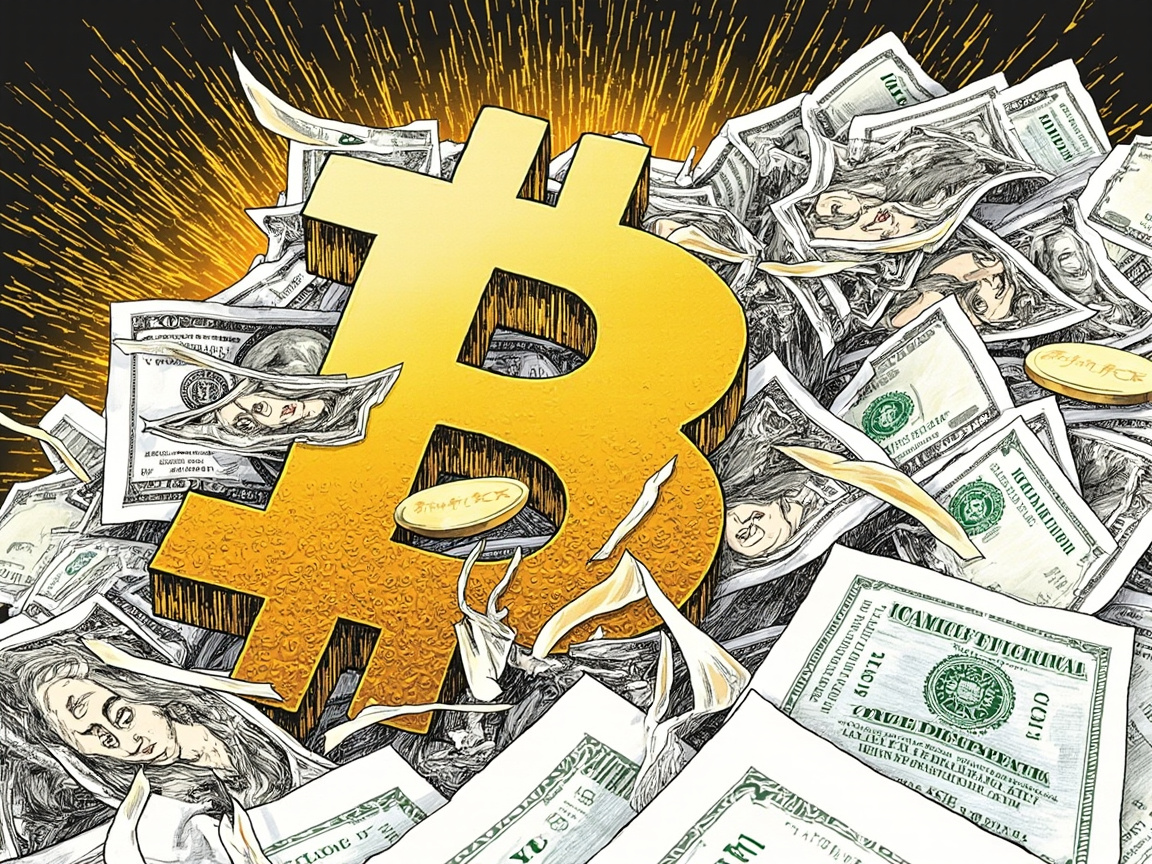
• Thai-listed company DV8 has announced plans to build a corporate treasury of 10,000 Bitcoin.
• DoorDash, Chainlink & Oblong Market Shifts Guide (2026)
• Blockchain AI Convergence: Fact-Check & Market Guide (2026)
• Polygon's mainnet will undergo the Giugliano upgrade on April 8.
• PsiQuantum has started building its million-qubit quantum facility. Scientists say a machine this po
• Anthropic Discontinues Subscription Support for Third-Party Tools
• XRP ETF Forecasts & Bitmine’s $20B ETH Bet: 2026 Analysis
• Crypto & Tech Market Trends 2026: Pi, XRP, Robotaxi Safety
• DoorDash, Chainlink & Oblong Market Shifts Guide (2026)
• SEC v. Ripple Case Ends: XRP Outlook & Monero 51% Attack (2026)
The U.S. dollar is flirting with its ninth consecutive daily decline—a streak not seen since 2006. On the surface, Middle East ceasefire talks are eroding the dollar's safe-haven appeal. But the real story is deeper: **63% of global investors are actively hedging against dollar weakness**, the highest level this year.
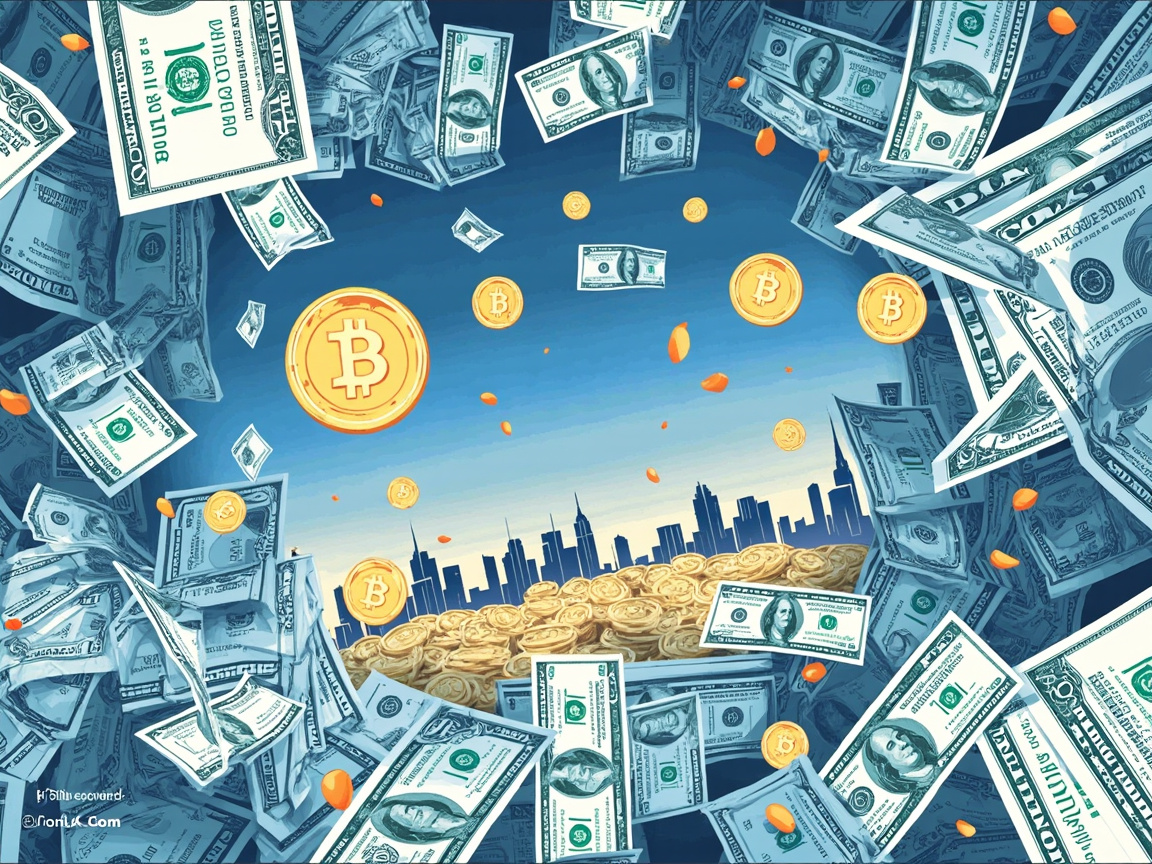
### What 63% Hedging Really Means
State Street's data doesn't lie. When strategists at one of the world's largest custodial banks call this "an excellent entry point to establish medium-term dollar shorts," institutional money is already moving.
This isn't short-term positioning. Trump's 2025 tariff policies already delivered the dollar's worst performance in eight years, teaching investors to protect themselves with derivatives. Middle East conflicts merely paused that trend—now, with ceasefire talks advancing, bearish dollar bets are returning with more conviction.
**The key takeaway:** 63% hedging means institutions aren't spectators—they're deploying real capital. Their concern isn't tomorrow's 0.2% dip, but a **medium-term trend reversal**.
### Cracks in Dollar Dominance
Deutsche Bank states plainly: "Conditions for renewed dollar shorts are gradually falling into place." Strategists are reassessing forward risks: the Fed could cut rates this year while other central banks hike.
Deeper fractures emerge from Trump's policies. Erratic trade, geopolitical, and fiscal moves are undermining U.S. asset appeal. Franklin Templeton notes the dollar rests on three pillars—economic scale, market depth, and institutional credibility—but policy uncertainty is eroding the first two.
**This isn't theoretical—it's practical pressure.** When analysts discuss euros, gold, and digital assets as potential reserve alternatives, traditional finance is already seeking exits.
### Bitcoin's Narrative Window
Dollar weakness has historically favored Bitcoin. But this time is different.
Past cycles showed simple correlation: weak dollar, strong Bitcoin. Now, the narrative evolves: **dollar dominance in question, crypto assets as alternatives.** When 63% of institutional investors hedge dollar risk, they must reallocate—and cryptocurrencies, especially Bitcoin, sit high on that list.
**Watch the timing:** Middle East risks may have peaked, Fed cut expectations are rising, and Trump's policy uncertainty persists. Together, they create the clearest dollar-bearish environment since 2025.
### What Investors Should Monitor
Ignore daily 0.2% dollar moves—they're noise.
**Track these three signals:**
1. **Whether hedging sustains above 63%**—if it breaks 70%, institutional consensus is forming
2. **The Fed's rate-cut pace**—once cuts materialize, dollar pressure shifts from expectation to reality
3. **Trump's policy volatility**—any new tariffs or fiscal surprises will accelerate the search for alternative assets
Crucially, understand this dollar weakness differs. It's not cyclical adjustment but **structural confidence erosion**. When "dollar dominance" appears frequently in analyst reports, traditional finance is preparing for a post-dollar era.
### The Bottom Line
The nine-day streak matters less than its context:
- 63% global hedging against dollar declines
- Analysts openly discussing reserve alternatives
- Policy uncertainty undermining dollar credibility
**This cuts at dollar confidence.**
For crypto, this means:
1. Bitcoin's "digital gold" narrative gains fresh fuel—when gold enters reserve discussions, its digital counterpart follows
2. Capital flow gates may be opening—after hedging dollar risk, institutions must reallocate, and crypto markets have enough depth to absorb spillover
**Don't wait until everyone declares "the dollar's done."** When State Street calls this "an excellent entry point," smart money is already positioning. Crypto's windows open when traditional finance cracks—and this crack runs deeper than many realize.
Watch hedging levels, policy shifts, and capital flows. This cycle may arrive faster than expected.
| DISCLAIMER: The information on this website is provided as general market commentary and does not constitute investment advice. We encourage you to do your own research before investing. |
Recommended reading






Markets
2026-03-24
Markets
2026-02-26
Markets
2026-03-23
Latest News