• Thai-listed company DV8 has announced plans to build a corporate treasury of 10,000 Bitcoin.
• Blockchain AI Convergence: Fact-Check & Market Guide (2026)
• Polygon's mainnet will undergo the Giugliano upgrade on April 8.
• DoorDash, Chainlink & Oblong Market Shifts Guide (2026)
• PsiQuantum has started building its million-qubit quantum facility. Scientists say a machine this po
• Anthropic Discontinues Subscription Support for Third-Party Tools
• XRP ETF Forecasts & Bitmine’s $20B ETH Bet: 2026 Analysis
• Crypto & Tech Market Trends 2026: Pi, XRP, Robotaxi Safety
• DoorDash, Chainlink & Oblong Market Shifts Guide (2026)
• SEC v. Ripple Case Ends: XRP Outlook & Monero 51% Attack (2026)
The Stablecoin Yield Showdown: Banks Push Back as Washington Finalizes Rules
2026-04-14 23:35:25
**Washington is set to unveil draft stablecoin legislation this week, and the fight isn't just about regulation—it's a turf war between banks and crypto.**
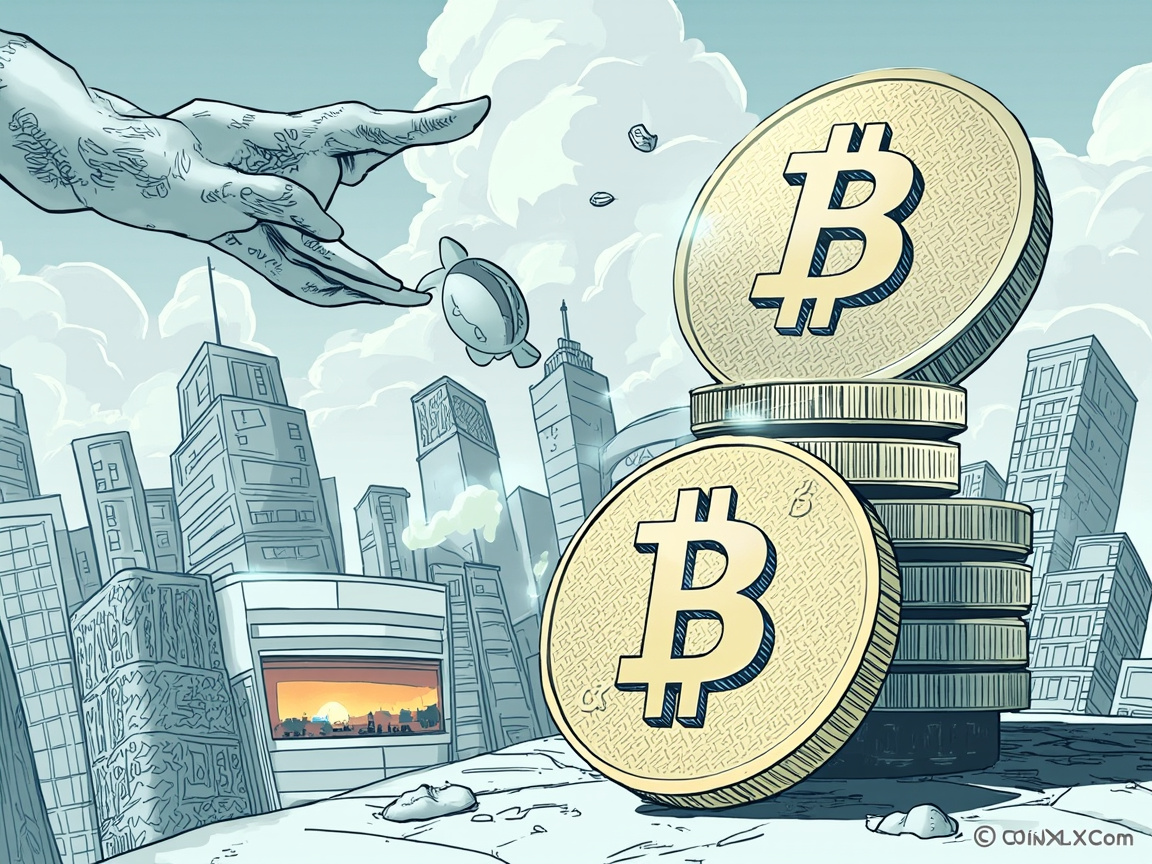
Senators are in last-minute negotiations over the stablecoin provisions of the Clarity Act, with text expected as early as this week. On the surface, the months-long stalemate debates whether stablecoin holders should earn yield. Underneath, it's a defensive move by traditional banks against a model that could eat into their deposit base.
---
### **Why Banks Are Fighting Over 0.02%**
A recent White House Council of Economic Advisers (CEA) report dropped a bombshell: allowing stablecoin yields would increase bank lending costs by just **0.02%**. The American Bankers Association (ABA) immediately countered, arguing the CEA used today's $300 billion stablecoin market—not the potential $1-2 trillion future size.
That 0.02% figure is telling. If the impact were truly that minor, why the heavy lobbying? The real fear isn't loan losses; it's **yield-bearing stablecoins becoming a deposit alternative**. When users can earn 4% on USDC versus 0.01% in a bank savings account, capital flows are inevitable.
---
### **This Week's Deadline**
Republican Senator Thom Tillis of North Carolina said Monday he expects draft text "later this week," citing holdups around anti-money laundering and enforcement. His comment that "some concerns stem from stakeholders not seeing the full text" reads between the lines: banking lobbyists have likely seen it—and aren't happy.
The timing is critical. The Clarity Act needs passage before May, or the midterm election window slams shut. Treasury Secretary Scott Bessent last week urged lawmakers to "push through," calling crypto firms opposing compromise "nihilists." Pressure is peaking.
---
### **Where the Knife Falls**
If the draft emerges as expected, it could reshape yield programs like Coinbase's 4% offer on USDC, tied to its arrangement with Circle. But the issue cuts deeper.
As Fira CEO Pierre Person notes: "The real policy question isn't whether stablecoin holders can earn yield, but **where that yield comes from and who regulates it.**"
Overly restrictive U.S. rules would simply push users and liquidity to jurisdictions already allowing yield distribution—Singapore, Dubai, parts of Europe. Capital migration isn't a guess; it's a certainty.
---
### **Bipartisan Support, Devilish Details**
Blockchain Association CEO Summer Mersinger is right that digital asset rules have bipartisan backing. But "clarity" can be lethal.
CertiK's Stefan Mühlbauer highlights a possible compromise: allowing "active yield" (like DeFi liquidity mining) while banning "passive yield" (simple holding). That would lock out most everyday users and force exchanges to rewrite their stablecoin business models.
---
### **What to Watch Next**
1. **Draft wording on "yield"**: Is it a blanket ban, or a split between "passive" and "active" earnings? The difference is existential.
2. **Banking lobby response**: The ABA has already rebutted the White House. Watch how they pressure swing-vote senators.
3. **Circle and Coinbase's move**: If the 4% model is banned, do they pivot to "active yield" packaging or scale back U.S. operations?
4. **Capital flows**: If U.S. rules tighten, will yields on Singapore USDC or euro stablecoins spike? Money votes with its feet.
---
### **The Bottom Line**
This isn't a technical debate; it's a land grab. As Reya's Simon Jones puts it, banking pushback "shows this fight has moved beyond economics into competitive positioning." Banks see crypto yield models as a long-term threat to deposits and aim to stifle them early.
The likely outcome? A messy compromise: not an outright ban, but enough restrictions to make yield access cumbersome for users and costly for exchanges. That "regulatory arbitrage" will persist until stablecoins near trillion-dollar scale, user habits solidify, and political pressure shifts.
Until then, U.S. users may need to either use offshore platforms or learn DeFi mechanics—both paths already becoming normal. Washington's blade isn't killing yield; it's shifting the battlefield into the broader crypto ecosystem. And ecosystems adapt.
| DISCLAIMER: The information on this website is provided as general market commentary and does not constitute investment advice. We encourage you to do your own research before investing. |
Recommended reading






Latest News