• Thai-listed company DV8 has announced plans to build a corporate treasury of 10,000 Bitcoin.
• Blockchain AI Convergence: Fact-Check & Market Guide (2026)
• Polygon's mainnet will undergo the Giugliano upgrade on April 8.
• DoorDash, Chainlink & Oblong Market Shifts Guide (2026)
• PsiQuantum has started building its million-qubit quantum facility. Scientists say a machine this po
• Anthropic Discontinues Subscription Support for Third-Party Tools
• XRP ETF Forecasts & Bitmine’s $20B ETH Bet: 2026 Analysis
• Crypto & Tech Market Trends 2026: Pi, XRP, Robotaxi Safety
• DoorDash, Chainlink & Oblong Market Shifts Guide (2026)
• SEC v. Ripple Case Ends: XRP Outlook & Monero 51% Attack (2026)
Consumer Stocks Crash to Pandemic Lows: Bullish or Bearish Signal for Bitcoin?
2026-04-14 23:25:32
The S&P 500 Textiles & Apparel Index has dropped another 15% year-to-date, sinking back to its 2020 pandemic lows. Goldman Sachs warns that soaring oil prices and Middle East tensions are becoming a "killer" for consumer spending. On the surface, this looks like a traditional industry slump. But for Bitcoin holders, the real question is: **when the consumer engine stalls, which way will the Fed turn the liquidity tap?**
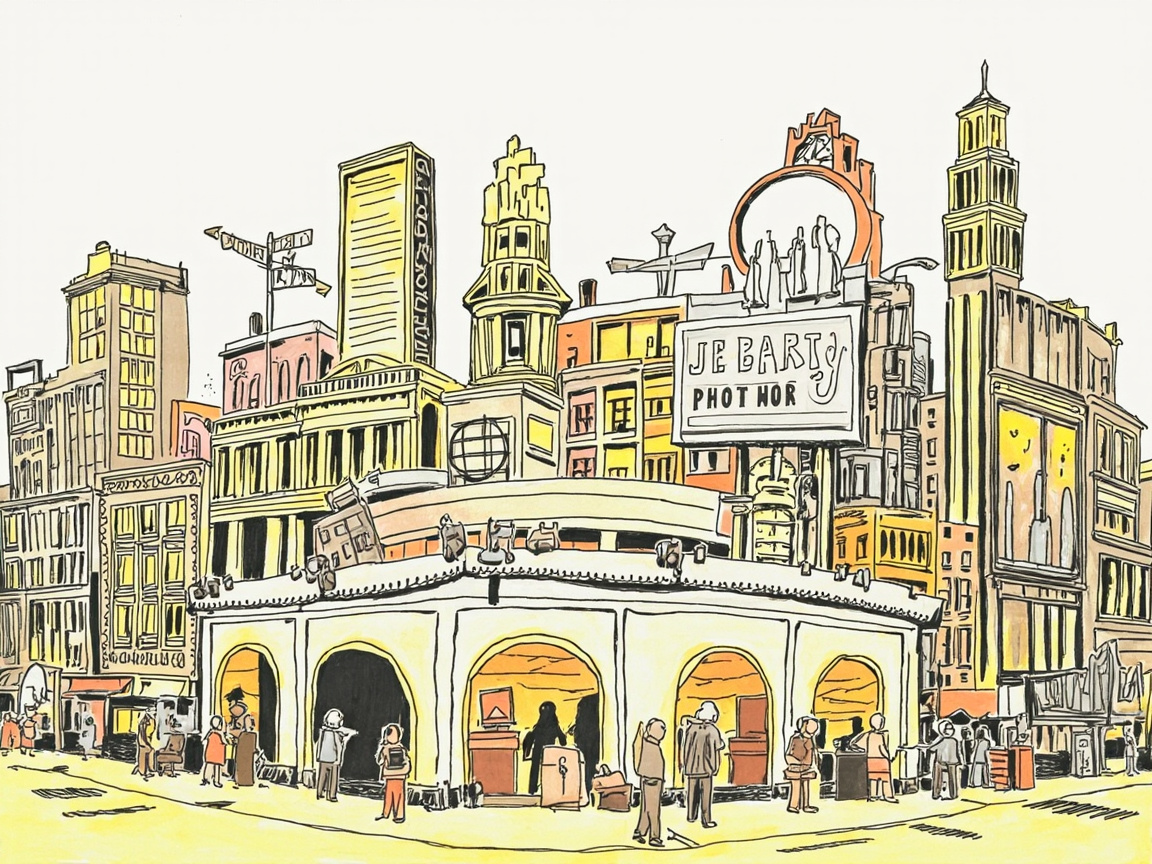
## This Isn't a Sector Problem—It's a Macro Warning
Declining sportswear order visibility, Nike's sluggish recovery, and falling sales at Pou Sheng International point to one brutal reality: **U.S. consumer resilience is eroding fast.** Goldman analyst Michelle Cheng notes market sentiment has deteriorated sharply post U.S.-Iran tensions, with data after any ceasefire being crucial.
This isn't a routine cycle. When a major S&P 500 sub-index revisits pandemic lows, the market is repricing the entire consumer sector. With Trump suggesting high oil prices may persist into late 2024, household budgets are getting squeezed—money flows from goods to energy bills, crushing corporate margins.
For crypto, this signal matters more than any technical indicator. When traditional consumption sputters, only two paths remain: **an economic hard landing, or central banks reopening the liquidity floodgates.**
## Supply Chain Splits Show Money on the Move
Goldman's data reveals a stark divide among Asian manufacturers. While some meet expectations, key Nike suppliers like Feng Tay and Huali are seeing persistent order declines. This isn't random—brands are passing cost pressures backward, squeezing factory margins from both ends.
More critically, **order visibility is shrinking.** When brands can't forecast demand, supply chains turn conservative, cutting capital expenditure and hoarding cash.
That money doesn't vanish. Historically, when real investment returns fall, capital flees to two places: **haven assets (gold, Treasuries) and risk assets (tech stocks, crypto).** Bitcoin currently wears both hats.
## The Brand Divide: A Blueprint for Crypto?
Nike's slow recovery drags the sector down, but Fast Retailing (Uniqlo's parent) shows strength. Goldman frames it as "Nike negative, Fast Retailing positive."
This isn't just about brand power. Fast Retailing's resilience suggests that in a downturn, **value-oriented players can thrive.** Consumers aren't stopping spending—they're spending more carefully.
This logic maps directly to crypto. When macro conditions worsen, capital doesn't exit—it rotates. **Bitcoin's dual nature as 'digital gold' and high-risk speculative asset gets amplified simultaneously.**
But investors must discern: **is this safe-haven inflow or speculative gambling?** The former brings stability; the latter brings volatility.
## Global Demand Splits: Where Does Bitcoin Stand?
Goldman notes U.S. March consumption still shows resilience, but Europe, the Middle East, and Africa are weakening. This divergence is dangerous—**if the Eurozone stumbles, the U.S. can't hold up alone.**
Post-U.S.-Iran sentiment shifts are just the beginning. Data following any ceasefire will dictate the next move. If consumption drops sharply, the Fed faces a dilemma: **fight inflation or support growth?**
For Bitcoin, this dilemma creates opportunity. If the Fed chooses growth (re-liquefying), liquidity directly pumps Bitcoin. If it stays hawkish (keeping tight), traditional assets fall further, **making Bitcoin relatively more attractive.**
The critical difference: the first scenario drives broad, liquidity-fueled rallies; the second creates rotational, structural opportunities. Know which script you're betting on.
## The Bottom Line: Liquidity Is Under the Knife
The S&P 500 Textiles & Apparel Index at pandemic lows isn't a sector issue—it's systemic. **When consumption—the economy's main engine—slows, the entire financial system's liquidity allocation changes.**
Bitcoin holders should watch two things, not charts or on-chain data:
1. **Will U.S. consumption data deteriorate rapidly?**—If retail sales and consumer confidence keep falling, Fed pivot pressure will surge.
2. **Will geopolitical conflict escalate?**—High oil prices kill consumption and fuel inflation. Any shift in U.S.-Iran tensions directly impacts the Fed's policy space.
The worse traditional markets perform, the stronger Bitcoin's narrative becomes. But that's not a blind bullish signal. **When capital flees traditional assets, where does it go first? Treasuries? Gold? Or straight into crypto?** That sequence determines Bitcoin's rally rhythm.
Here's the reality check: when Goldman Sachs warns of a consumer "killer," the problem is already on the table. **Bitcoin markets don't fear problems—they fear problems that aren't big enough.** Now the problem is big enough. But when the knife falls, you need to know whether to dodge or catch it.
The bottom for consumer stocks isn't the top for Bitcoin. But **the collapse of consumer stocks is the beginning of Bitcoin's next chapter.** The script is written. Now we see if capital follows it.
| DISCLAIMER: The information on this website is provided as general market commentary and does not constitute investment advice. We encourage you to do your own research before investing. |
Recommended reading





Markets
2026-02-26
Markets
2026-03-23
Latest News