Trump's crypto-stock filing is really about governance
2026-05-16 06:50:53
## Trump's crypto-stock filing is really about governance

According to [Decrypt](https://decrypt.co/368084/president-trump-discloses-coinbase-robinhood-bitcoin-mining-stock-trades) on May 15, 2026, President Donald Trump was listed as the filer on two OGE Form 278-T disclosures dated Thursday. The filings reported trades in Coinbase, Robinhood, MARA Holdings, and Cleanspark. Decrypt said the paperwork ran more than 100 pages, covered more than 3,000 securities trades, and came with a late fee that was assessed and paid.
The official OGE [Form 278-T guide](https://www.oge.gov/web/278eGuide.nsf/Form_278-T) says the report is a public periodic transaction filing. That matters because the document is built to show the trail, not explain it away. Once the report is public, the sharper question is not only what was traded, but how close those names sit to the policy levers that can shape the sector.
## The mix of names is the part that matters
### Exchange, broker, miner
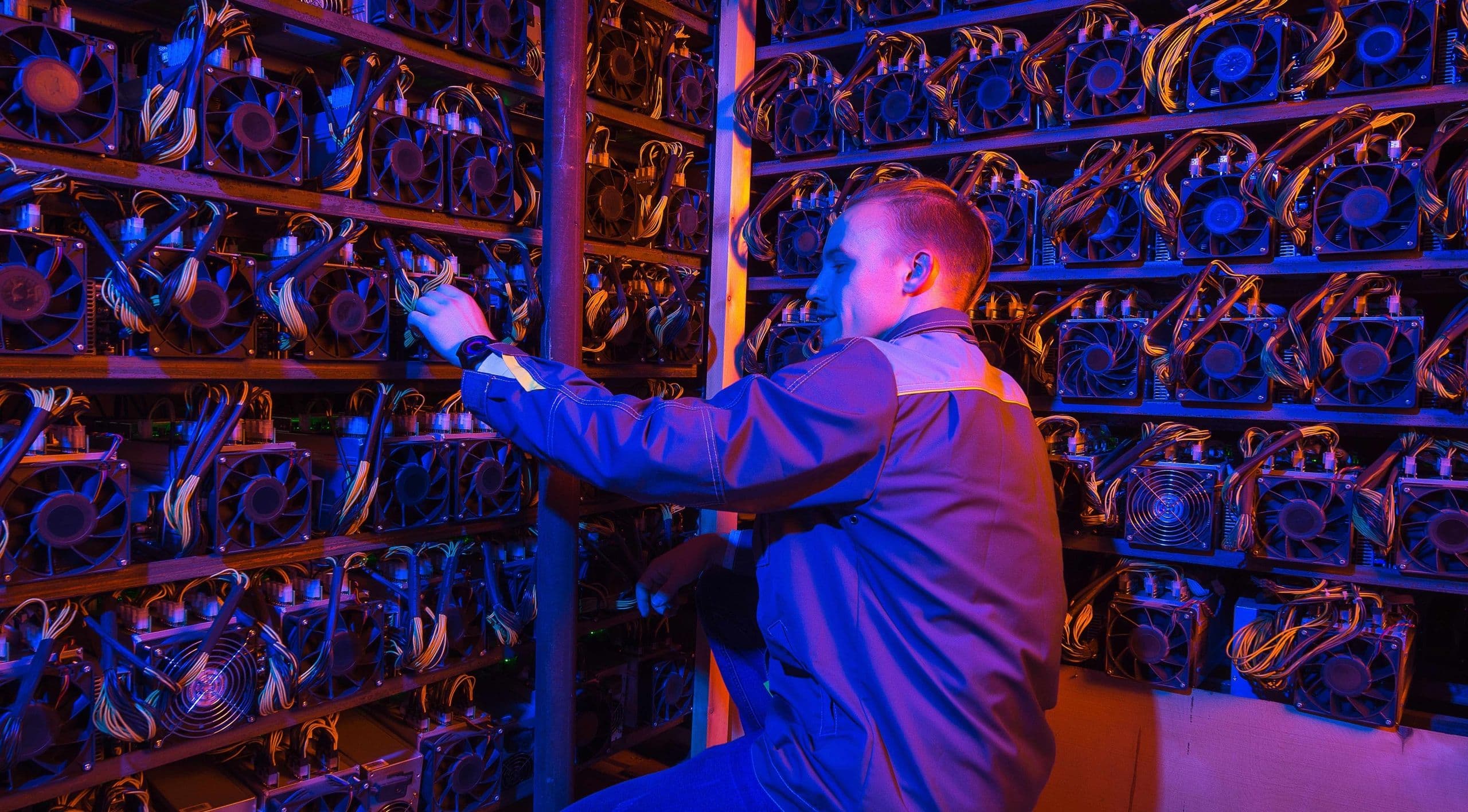
Coinbase sits at the exchange layer. Robinhood sits at the retail-brokerage layer. MARA Holdings and Cleanspark sit on the mining side. Put together, the filing maps a full slice of crypto market plumbing rather than a single token or one isolated equity.
That mix matters because it ties access, liquidity, and production capacity into the same public record. In disclosure terms, that is a more sensitive pattern than a generic basket of large-cap shares, even if the dollar ranges themselves are not large enough to define a trading thesis.
### The ranges give context, not a signal
Decrypt said the largest crypto-connected trade was a February 10 Coinbase purchase in the $100,001-$500,000 range. About a month later, another Coinbase purchase landed in the $50,001-$100,000 range. A March 17 Robinhood purchase was the only other crypto-related equity above $100,000, while MARA and Cleanspark trades were smaller, in the $15,001-$50,000 range.

Those numbers matter as context, but not as a clean market signal. The more useful read is structural: the filing shows repeated exposure to the companies that help route retail access, provide exchange liquidity, and support mining capacity.
## The ethics frame is what turns disclosure into policy risk
The Trump Organization's line, as Decrypt reported it, was that the holdings are managed through fully discretionary accounts run by third-party institutions, and that neither Trump, his family, nor the organization selects or approves specific investments.
That statement may settle the narrow control question. It does not settle the broader trust question, which is why filings like this trigger a bigger reaction than a normal holdings update.

The Clarity Act detail matters for the same reason. Decrypt said ethics language limiting the president's personal crypto ventures had been a tension point as the bill moved, even though the Senate Banking Committee passed it without a firm ethics deal. That puts the filing in two conversations at once: disclosure and legislation. When those overlap, the report stops looking like back-office compliance and starts looking like part of the policy fight.
## What would change the reading next
The first thing to watch is repetition. One filing can be explained as a snapshot. If future disclosures keep surfacing the same crypto names, the market and the political system will start treating it as a pattern rather than an accident.
The second thing to watch is whether ethics language and market-structure legislation keep moving together. If they do, the significance of this filing will not be a price move. It will be that crypto equities and crypto policy are now being handled inside the same transparency framework.
The cleanest reading is simple: the filing does not prove misconduct, but it does show that crypto-related equities are now part of the same public paperwork that tracks the rest of Washington's financial footprint. That is the governance shift worth keeping in view.
---
Author: [Alex Chen](https://x.com/AlexC0in) | Alex has followed blockchain technology since 2021, focusing on DeFi and on-chain data analysis
Source: [decrypt.co](https://decrypt.co/368084/president-trump-discloses-coinbase-robinhood-bitcoin-mining-stock-trades)
DISCLAIMER:
1. All content on this website (including but not limited to articles, data, charts, and analyses) is for general informational purposes only and does not constitute any form of investment advice, trading recommendation, or financial guidance.
2. Cryptocurrencies and digital assets are subject to extreme price volatility and high investment risk; you may lose part or all of your principal. Past performance does not predict future results.
3. The information on this website is based on sources we believe to be reliable, but we do not guarantee its accuracy, completeness, or timeliness. Any investment decisions made based on this website’s information are at your own risk.
4. We strongly recommend that you conduct your own thorough research and consult an independent, licensed financial advisor before making any investment decisions.