Bitcoin Scam Targeting the Elderly Lands Woman 71 Months in Prison
2026-04-29 06:57:57
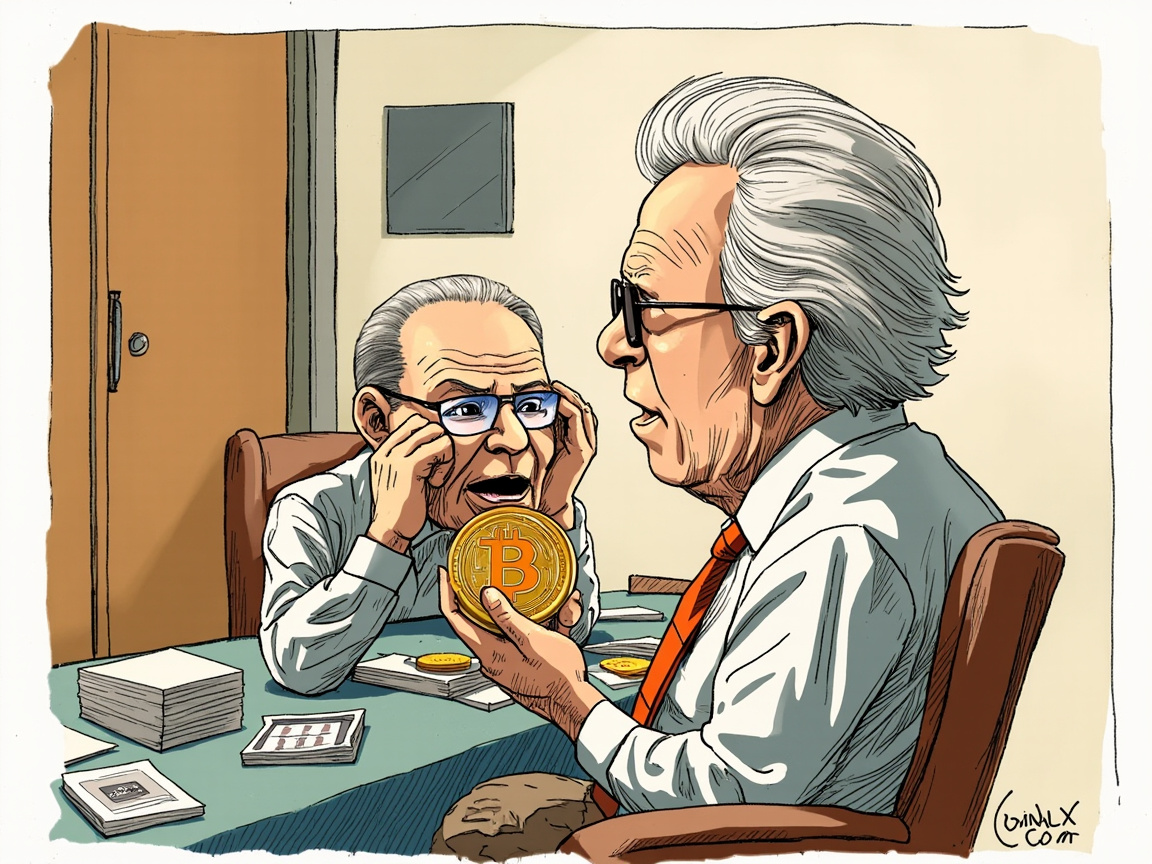
A federal court has sentenced Sze Man Yu Inos, a Saipan woman, to 71 months in prison for a Bitcoin investment scam that exclusively targeted the elderly. The case is a stark reminder that crypto fraud often exploits trust, not technology.
## How She Did It
Between November 2020 and January 2022, Inos operated in Saipan and Guam, focusing on older women. She posed as a wealthy Chinese heiress with multiple businesses, claiming huge profits from Bitcoin investments. Her victims didn't understand crypto, but she understood them: she built friendships first, then pitched the investment. The kicker? She forged a federal judge's signature on fake documents to add legitimacy.
## The Damage
The court ordered her to pay $769,355.67 in restitution and forfeit $684,848.34 — over $1.45 million total. Actual losses may be higher.
## Why 71 Months?
Nearly six years is stiff for a financial crime. Three reasons:
1. **Multi-state operation**: She scammed victims from the Mariana Islands to Washington and California, triggering federal jurisdiction.
2. **Forgery of government documents**: Faking a judge's signature is a direct challenge to judicial authority.
3. **No remorse**: She continued scamming during the trial. FBI Honolulu Special Agent in Charge David Porter called it "a complete disregard for victims and the rule of law."
## What This Means for Crypto
Bitcoin was just the tool, not the core. The scam used crypto's mystique to dress up an old-fashioned fraud. Elderly victims didn't understand blockchain, but they knew "Bitcoin is valuable."
## What Investors Should Watch
- **Regulatory tightening**: The 71-month sentence signals federal courts are getting tough on crypto-related fraud.
- **Rising trust costs**: Every scam like this erodes the industry's credibility.
- **Age is no shield**: Victims here were all elderly, losing life savings.
## What's Next
Expect more such cases. FBI is on alert. U.S. Attorney Shawn Anderson noted: "Criminals who engage in affinity fraud exploit our natural tendency to trust."
## Bottom Line
Bitcoin isn't the villain — human nature is. The real lesson: if an investment story sounds too perfect, it's likely fake. Whether it's a "wealthy heiress" or a "Bitcoin guru," before you send money, ask yourself: **What am I actually trusting?**
DISCLAIMER:
1. All content on this website (including but not limited to articles, data, charts, and analyses) is for general informational purposes only and does not constitute any form of investment advice, trading recommendation, or financial guidance.
2. Cryptocurrencies and digital assets are subject to extreme price volatility and high investment risk; you may lose part or all of your principal. Past performance does not predict future results.
3. The information on this website is based on sources we believe to be reliable, but we do not guarantee its accuracy, completeness, or timeliness. Any investment decisions made based on this website’s information are at your own risk.
4. We strongly recommend that you conduct your own thorough research and consult an independent, licensed financial advisor before making any investment decisions.