Bitcoin Looks Stuck Below $80K, But Supply Squeeze Is Building
2026-04-26 16:22:45
Bitcoin is stuck below $80K, and the daily chart looks indecisive, even weak. But zoom out to the weekly: four straight green candles, each closing higher than the last. This isn't weakness—it's coiled energy.

What really matters is what's happening beneath the surface: supply is tightening, miners are stepping back, and institutions are loading up. Three signals pointing the same way, but price hasn't moved yet.
## Miner Cost Zone: A Historic Support Level
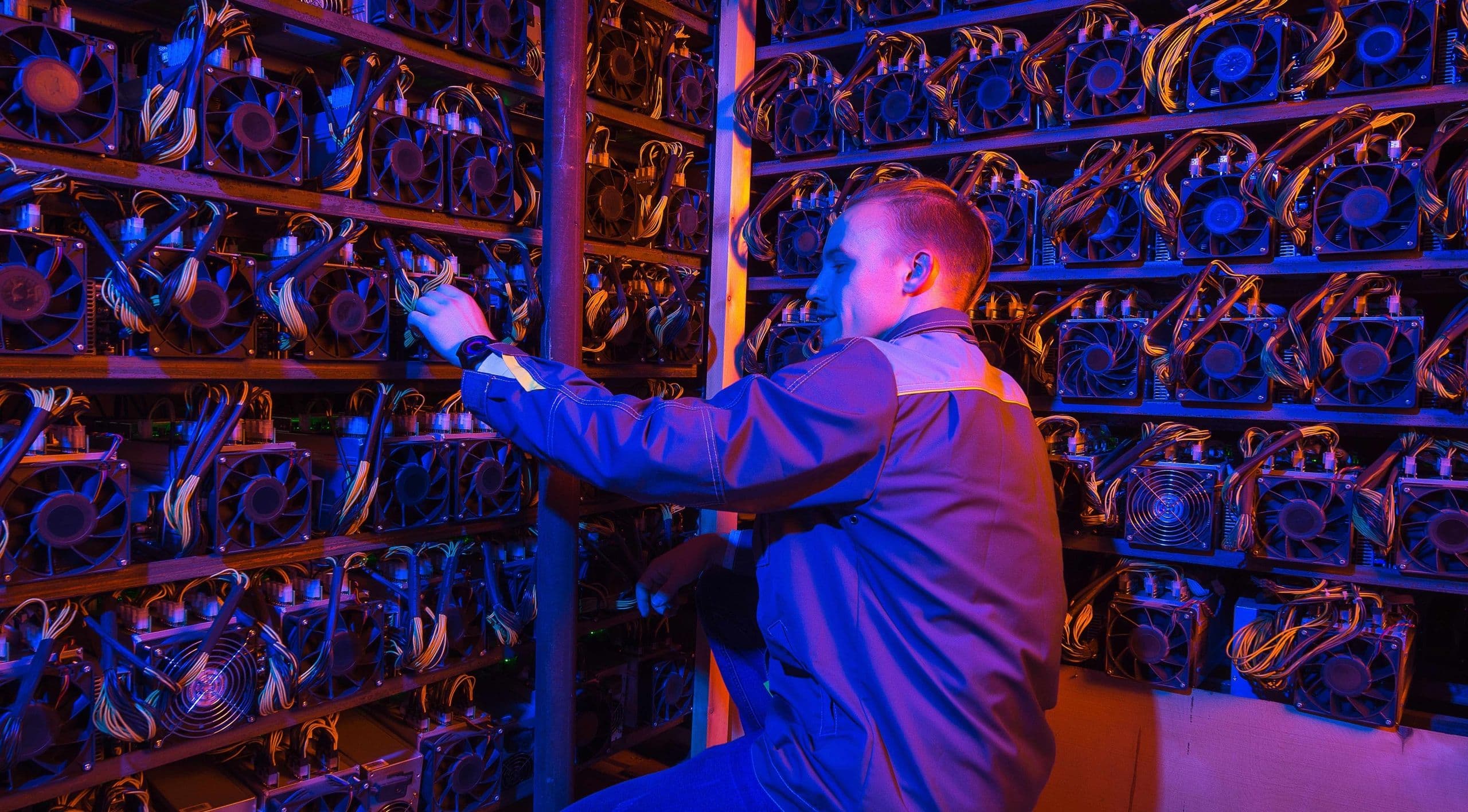
Bitcoin has dipped back into the production cost range. This zone has historically marked turning points—2014, 2018, 2020. Each time price approached it, weaker miners shut down, selling pressure naturally eased, and the market caught a breath.
The same dynamic is playing out now. Mining profitability is compressed, marginal miners exit, and supply automatically shrinks. It's not a new story, but every time it appears, it means the bottom is getting firmer.
## Exchange Reserves: Eight-Year Low
Bitcoin reserves on exchanges have dropped to around 2.3 million BTC—the lowest since 2018.
What does that mean? There are fewer coins available to sell. Price hasn't rallied, but coins are leaving exchanges—either to cold storage or institutional custody. Either way, short-term selling pressure is declining.
Meanwhile, the Fear & Greed Index has fallen from 'Greed' back to neutral, dropping 15 points in days. Retail sentiment is cooling, but supply is tightening. This divergence between sentiment and positioning usually resolves with a price move upward.
## Institutions: $1.4 Billion in One Week
While retail hesitates, institutions keep buying. BlackRock's IBIT fund added about 18,180 BTC in a week, worth nearly $1.4 billion.
For context: Bitcoin's daily mining output is roughly 900 BTC, or 6,300 per week. Institutions bought three times that amount in a single week. The supply-demand imbalance isn't theoretical—it's happening right now.
Price hasn't exploded, sentiment isn't euphoric, but demand is quietly building. This kind of silent accumulation is often more telling than a frenzy—it's driven by allocation logic, not FOMO.
## So What?
The current setup mirrors past cycle bottoms: price consolidating, miners under pressure, exchange reserves falling, institutions buying steadily.
History doesn't repeat exactly, but supply-demand logic doesn't change. If supply keeps tightening and demand (especially institutional) maintains this pace, a breakout is only a matter of time.
What investors should watch isn't short-term price moves, but two data points: whether exchange reserves continue to drop, and whether institutional buying slows. As long as those trends hold, the longer the consolidation, the bigger the eventual breakout.
The knife falls on those who think there's no action.
DISCLAIMER:
1. All content on this website (including but not limited to articles, data, charts, and analyses) is for general informational purposes only and does not constitute any form of investment advice, trading recommendation, or financial guidance.
2. Cryptocurrencies and digital assets are subject to extreme price volatility and high investment risk; you may lose part or all of your principal. Past performance does not predict future results.
3. The information on this website is based on sources we believe to be reliable, but we do not guarantee its accuracy, completeness, or timeliness. Any investment decisions made based on this website’s information are at your own risk.
4. We strongly recommend that you conduct your own thorough research and consult an independent, licensed financial advisor before making any investment decisions.