TRON Q1 Fees Hit $82.2M: Stablecoins Are the Real Moat
2026-04-24 21:22:57
## Beyond the Fee Numbers: The Stablecoin Demand Story
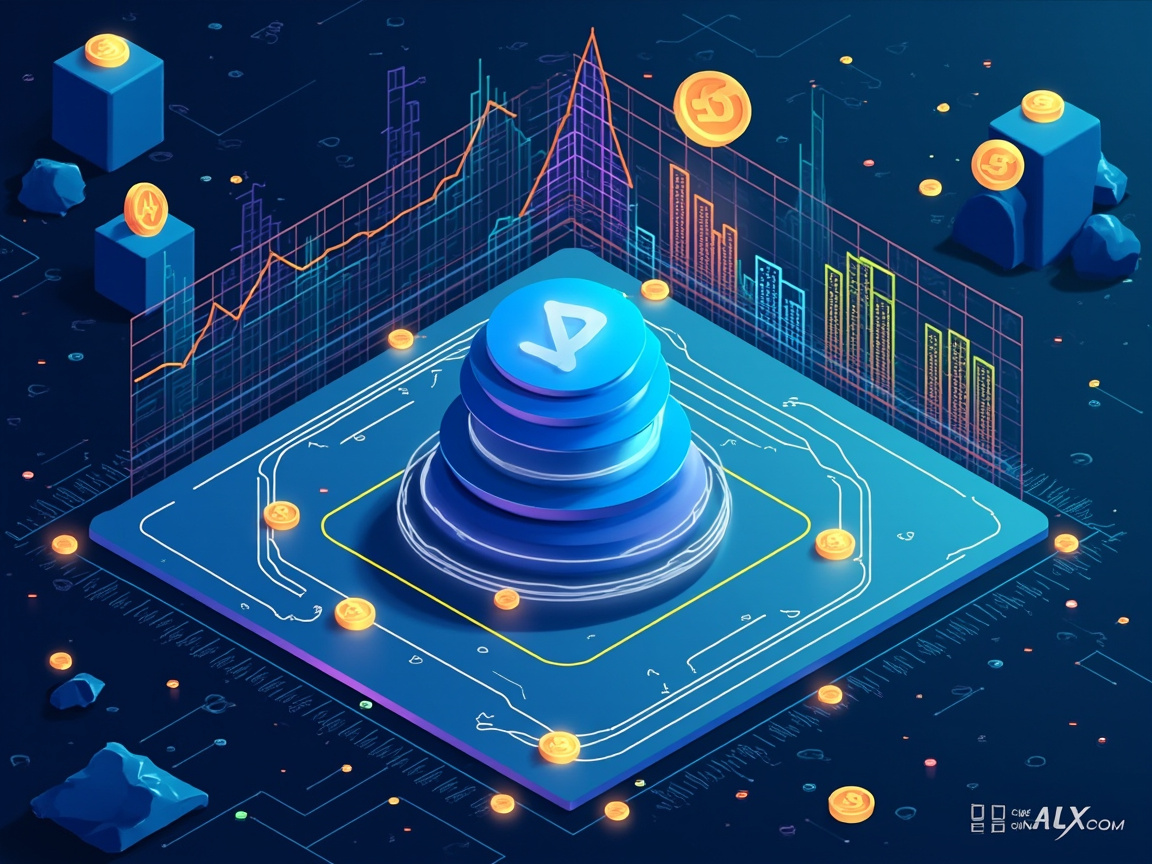
TRON posted its Q1 2026 growth outlook on X, and CoinDesk followed up with a research report: TRX's Q1 protocol fee revenue hit $82.2 million, ranking second among all base chains after Hyperliquid.
On the surface, this looks like a routine "on-chain activity boost" narrative. But what really matters is the underlying shift: **TRON is evolving from a "public chain" into a "stablecoin settlement layer."** These fees aren't from speculation—they're from real users sending real transactions. Behind the $82.2 million is the daily demand for billions of USDT transfers.
## Why Fees Matter: They're a Vote with Real Money
Fees are the most honest metric in blockchain. No fake activity, no bot wash trading—every fee represents actual cost users are willing to pay.
TRON's $82.2 million in Q1 fees means users are voting with real money. That's second only to Hyperliquid, which is a derivatives trading chain where fees come from leveraged trading. TRON's fees come mainly from stablecoin transfers—more frequent, more essential, closer to the essence of "payments."
More critically, TRON's USDT supply has surpassed $85 billion, accounting for over 46% of global USDT. **In other words, one out of every two USDT tokens circulates on TRON.** That's not random—it's a user choice: TRON offers fast transfers, low fees, and a mature ecosystem. For traders and businesses, it's the default channel for digital dollars.
## Stablecoins Anchor TRX, But Not a Price Rocket
Many see fee growth and immediately think "TRX will pump." That logic is incomplete.
Fee growth does prove rising network demand, but TRX's price is also influenced by Bitcoin trends, liquidity conditions, regulatory sentiment, and more. The Q1 data only tells one thing: **TRON's moat in the stablecoin track is deepening.** As long as USDT flows massively on TRON, TRX has a fundamental base—not propped up by narratives, but by billions of daily transfers.
But investors need to be clear: **A moat is not a price catalyst.** Stablecoin usage growth is a slow variable. It won't trigger explosive price swings like DeFi Summer. It's more like a "base case logic": TRX won't easily go to zero, but short-term upside is limited.
## What to Watch Next: Can Q2 Sustain the Momentum?
Q1 is in the books. The market now asks: Can Q2 keep it up?
Key points to monitor:
- **USDT supply growth**: If TRON's USDT share climbs from 46%, stablecoin demand is still concentrating on TRON.
- **Fee levels**: Q1 hit $82.2M. If Q2 stays above $70M, activity hasn't collapsed.
- **New use cases**: Stablecoin transfers are the base. If TRON breaks into payments, cross-border remittances, etc., the valuation narrative shifts.
For now, TRON's biggest strength is "certainty"—it's already stablecoin transfer infrastructure. But its biggest risk is "singularity"—if the stablecoin market faces tech disruption or regulatory crackdowns, TRON takes a direct hit.
## Conclusion: TRON Isn't the Next Ethereum, But It Might Be the Most Profitable "Digital Dollar Pipeline"
TRON's Q1 data tells a reality: **In the public chain narrative race, TRON chose the most pragmatic and profitable path—being a stablecoin pipeline.** Pipeline businesses aren't sexy, but the cash flow is real. $82.2 million in fees is the toll users pay for "fast and cheap transfers."
For investors, TRX's value anchor has shifted from "smart contract platform" to "stablecoin settlement network." That positioning is narrower, but also more stable. Whether Q2 can hold that positioning is the real test.
*(Disclaimer: This is not investment advice. Crypto markets are highly risky. Do your own research.)*
DISCLAIMER:
1. All content on this website (including but not limited to articles, data, charts, and analyses) is for general informational purposes only and does not constitute any form of investment advice, trading recommendation, or financial guidance.
2. Cryptocurrencies and digital assets are subject to extreme price volatility and high investment risk; you may lose part or all of your principal. Past performance does not predict future results.
3. The information on this website is based on sources we believe to be reliable, but we do not guarantee its accuracy, completeness, or timeliness. Any investment decisions made based on this website’s information are at your own risk.
4. We strongly recommend that you conduct your own thorough research and consult an independent, licensed financial advisor before making any investment decisions.