Iran Conflict Fails to Rattle Markets: Why Bitcoin and Stocks Showed Remarkable Resilience
2026-04-20 07:34:24
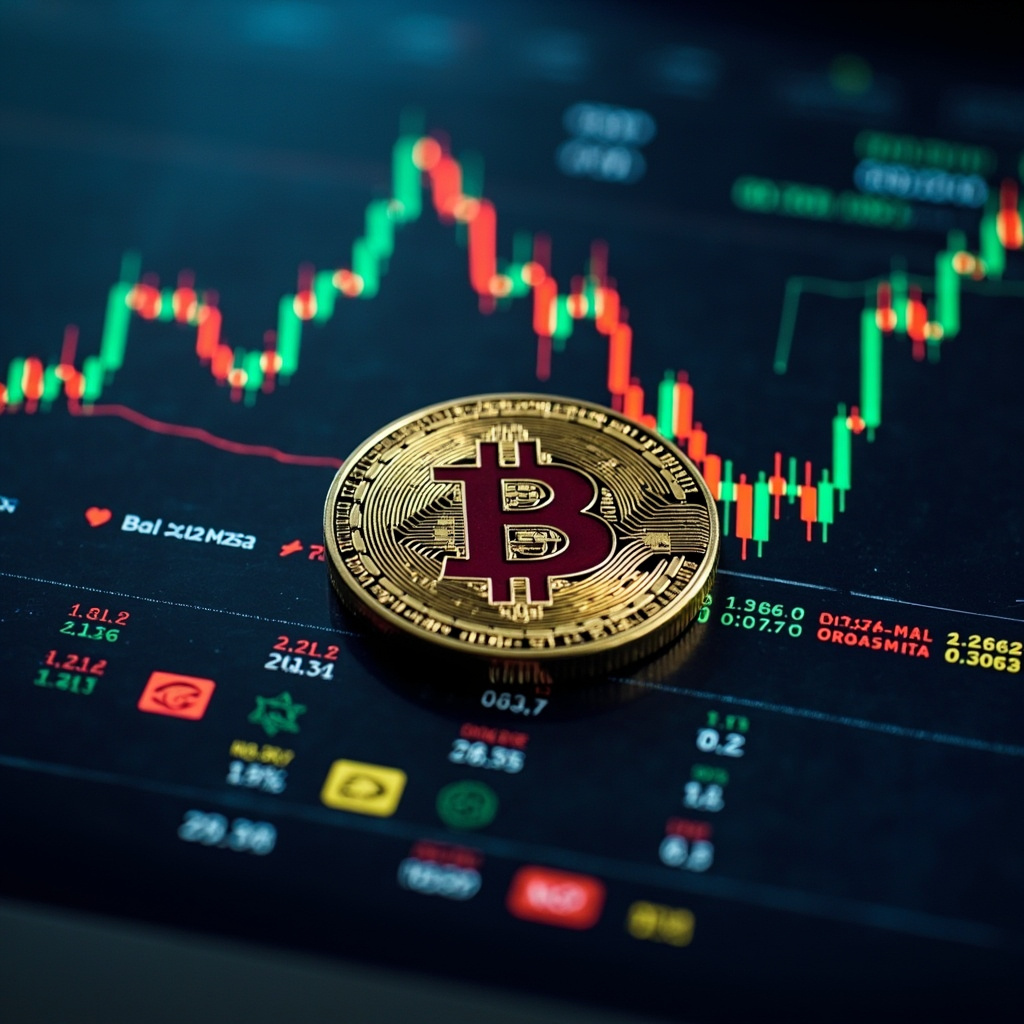
When news of escalating conflict in Iran hit, global markets braced for impact. Yet the expected panic never arrived. On April 17, prediction market contracts for the S&P 500 (SPY) showed nearly 100% odds of closing higher, while Bitcoin contracts above $62,000 hit 99.9% probability. This wasn't market indifference—it was traders voting with capital that risk, even when it arrives, won't break established floors.
## Money Didn't Flee, So Odds Didn't Move
Prediction markets don't lie, especially when contracts are backed by real money. SPY's "up" contract settled at 100%, Bitcoin's "YES" contract at 99.9%—this isn't optimism but mathematical certainty.
Volume tells the deeper story: SPY contracts traded about $15,700 (in USDC), while Bitcoin contracts saw over $127,000—eight times more activity. A single large order could move SPY prices 1%, revealing a shallow, fragile market. Bitcoin's depth and liquidity maintained its 99.9% pricing.
**The takeaway:** Capital didn't run. It actually piled into Bitcoin bids. Traders have grown numb to geopolitical scripts—they're now betting on corporate earnings, Fed policy, and institutional accumulation as the real safety nets. This time, Middle East tensions didn't even breach the first layer of emotional defense.
## Bitcoin's Immunity Isn't Luck—It's Structural Change
Historically, geopolitical turmoil either boosted Bitcoin as "digital gold" or crushed it as a risk asset. Its synchronized resilience with stocks signals a subtle shift in pricing logic.
What does 99.9% probability mean? The market believes Bitcoin's support above $62,000 is more certain than Iran conflict escalation. Data confirms: institutional holdings keep growing, sentiment indicators hover neutral-to-positive, and on-chain activity shows no panic selling.
**So what?** Bitcoin is shedding its old role as a geopolitical volatility amplifier. Its price floor is increasingly set by long-term holders and institutional bids, not headline news. When conflict flares, retail might flinch—but big money isn't budging. That's why prices held.
## The Real Risk Isn't in Headlines—It's Outside Them
Unchanged odds don't mean zero risk. Traders are betting the conflict "won't escalate enough to shift market sentiment." They're assuming the situation remains contained, localized, and priced in.
But markets fear the unexpected most. Any escalation beyond current defenses—direct U.S.-Iran military engagement, energy corridor disruption, or surprise involvement from another major power—could instantly rewrite probabilities.
**What to watch:** Don't just follow battle reports. Monitor two signals: 1) U.S. Treasury yields and dollar index movements—the true safe-haven flows; 2) Bitcoin's on-chain large transfers and exchange inflows—hard evidence of whether big holders are truly "immune."
## What Comes Next: Range-Bound Action, Awaiting the Next Catalyst
Short-term, the market has labeled this conflict noise over substance. Unless the situation breaks containment, Bitcoin will likely chop between $62,000-$65,000, while stocks dance to earnings and Fed chatter.
But tight ranges are dangerous—they breed complacency while brewing the next surprise. SPY's thin volume hints at fragility; Bitcoin's extreme certainty means upside is compressed, leaving it more sensitive to negative shocks.
**Remember this:** Markets don't fear risk—they fear mispriced risk. Right now, 99.9% certainty is itself the biggest risk.
## Practical Take: Betting on "No Change"? Prepare for "Sudden Change"
Geopolitical conflicts are never single events—they're chains of reactions. Current market pricing assumes "contained conflict." If that assumption cracks, odds will violently repriced.
For Bitcoin players, this isn't time to chase rallies or panic. It's time to check your position: Is leverage too high? Are stops placed where emotional selling could trample them? Can your holdings withstand a sudden 10% swing?
**Bottom line:** Don't be hypnotized by 99.9% certainty. Markets always trade probabilities—and probabilities change. When everyone feels safe, that's when to buckle up. Iranian artillery might not break $62,000, but the next shot could come from a direction nobody's watching.
DISCLAIMER:
1. All content on this website (including but not limited to articles, data, charts, and analyses) is for general informational purposes only and does not constitute any form of investment advice, trading recommendation, or financial guidance.
2. Cryptocurrencies and digital assets are subject to extreme price volatility and high investment risk; you may lose part or all of your principal. Past performance does not predict future results.
3. The information on this website is based on sources we believe to be reliable, but we do not guarantee its accuracy, completeness, or timeliness. Any investment decisions made based on this website’s information are at your own risk.
4. We strongly recommend that you conduct your own thorough research and consult an independent, licensed financial advisor before making any investment decisions.