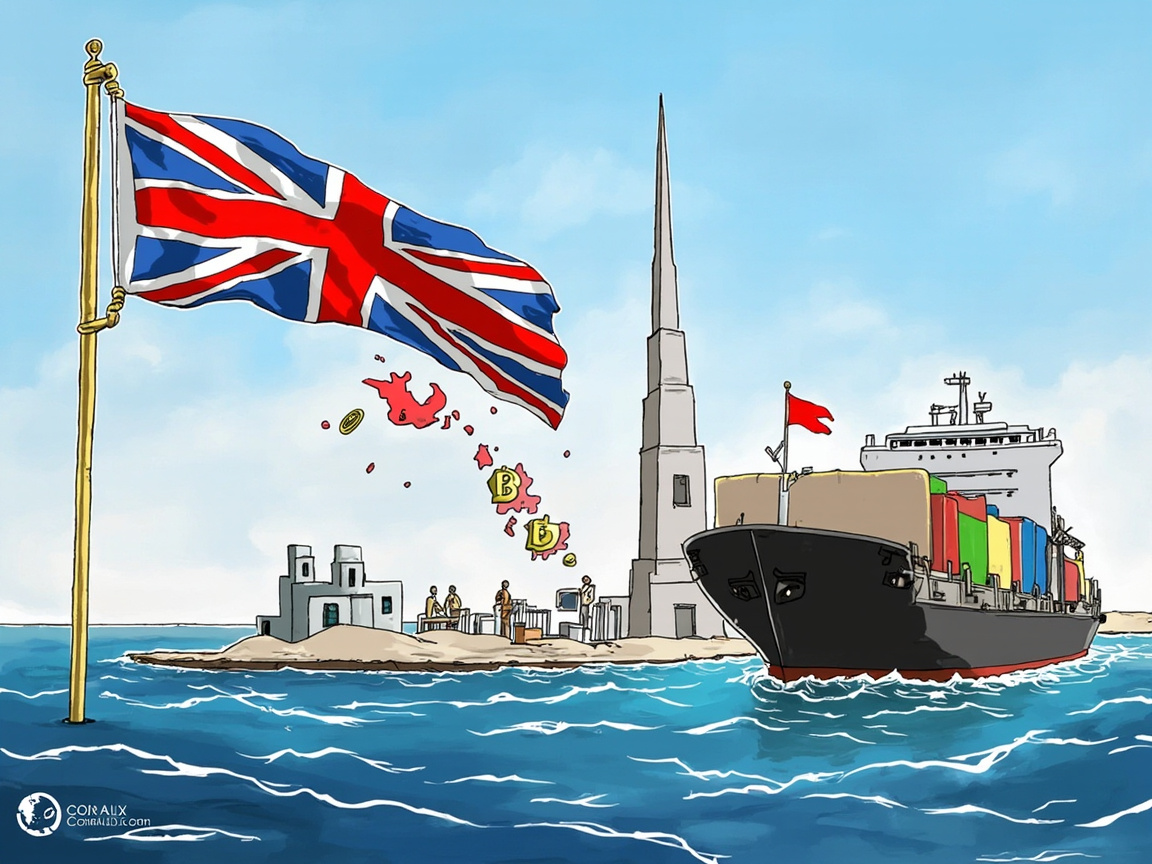
• Thai-listed company DV8 has announced plans to build a corporate treasury of 10,000 Bitcoin.
• DoorDash, Chainlink & Oblong Market Shifts Guide (2026)
• Blockchain AI Convergence: Fact-Check & Market Guide (2026)
• Polygon's mainnet will undergo the Giugliano upgrade on April 8.
• PsiQuantum has started building its million-qubit quantum facility. Scientists say a machine this po
• Anthropic Discontinues Subscription Support for Third-Party Tools
• XRP ETF Forecasts & Bitmine’s $20B ETH Bet: 2026 Analysis
• Crypto & Tech Market Trends 2026: Pi, XRP, Robotaxi Safety
• DoorDash, Chainlink & Oblong Market Shifts Guide (2026)
• SEC v. Ripple Case Ends: XRP Outlook & Monero 51% Attack (2026)
Ukrainian President Volodymyr Zelenskyy issued a fresh warning this week, alleging Russia is attempting to drag Belarus into the war. While this raises concerns about a northern front heating up, the real story is playing out in the markets—and traders are shrugging it off. Prediction markets are signaling with real money that this diplomatic maneuvering is just noise; the real bet is on the widening gap between the timeline and market sentiment.

## Market Reaction: Rational to the Point of Indifference
Following Zelenskyy's statement, prediction market data barely budged.
- **Key date contracts held steady**: The contract for a ceasefire by June 30 dipped only slightly from 10% to 9.5%. Contracts for April 30 and May 31 remained frozen at 1.7% and 5.9%, respectively.
- **Volume tells the story**: Trading volume was a mere $1,975 in USDC, with order books stable and the largest single move just a 0.5-point drop. This isn't panic—it's utter indifference.
Traders are clear: this is geopolitical static, not worth a serious wager.
## The Real Wager: A Probability Game, Not a War Bet
Why the calm? Because the market isn't betting on *if* there will be a ceasefire, but *when*.
The June 30 contract at 9.5 cents implies a **10.5x potential payout** if a ceasefire hits by then. That's tempting, but only if you believe a dramatic diplomatic shift will occur in the next 75 days. The market's price curve says otherwise.
The gradual climb from 1.7% in April to 9.5% in June reflects a collective bet on probability naturally increasing over time—not on any sudden, black-swan breakthrough. Traders are playing the clock, not the headlines.
## What to Watch Next: Actions, Not Words
For investors, the focus should shift from rhetoric to tangible signals.
- **Military movements**: Are there actual troop buildups or escalated exercises along the Russia-Belarus border? These are hard indicators.
- **Belarus's stance**: Official statements from Lukashenko's government, especially regarding military commitments, matter more than a thousand warnings.
If these signals don't materialize, the market's indifference is justified—the situation remains contained, and ceasefire odds will only creep up with time, not spike on warnings.
## The Bottom Line: Markets Are Pricing 'No Miracle'
At its core, this bet hinges on whether you believe in a diplomatic miracle. The market doesn't. A 9.5% price means traders see less than a 10% chance of a ceasefire by June 30. They're betting the situation drifts along its current path—threats persist, but a full-scale escalation remains a low-probability event.
If headlines are making you anxious, check the data. The market has already priced in the geopolitical risk premium. What's left is a psychological game of trading time for space.
The real turning point won't come from a warning—it'll come from an unforeseen action. Until then, the market will keep crunching probabilities, cold and calculated.
| DISCLAIMER: The information on this website is provided as general market commentary and does not constitute investment advice. We encourage you to do your own research before investing. |
Recommended reading






Markets
2026-03-24
Markets
2026-02-26
Markets
2026-03-23
Latest News