Bitcoin holds steady above $62,000, but beneath the surface, a fundamental shift in supply dynamics is underway. Miners have stopped selling, and large holders have accumulated 270,000 BTC since February. This isn't just data noise—it's the market pricing actual scarcity, not future expectations.

## Supply Shift: Miners Become Hoarders
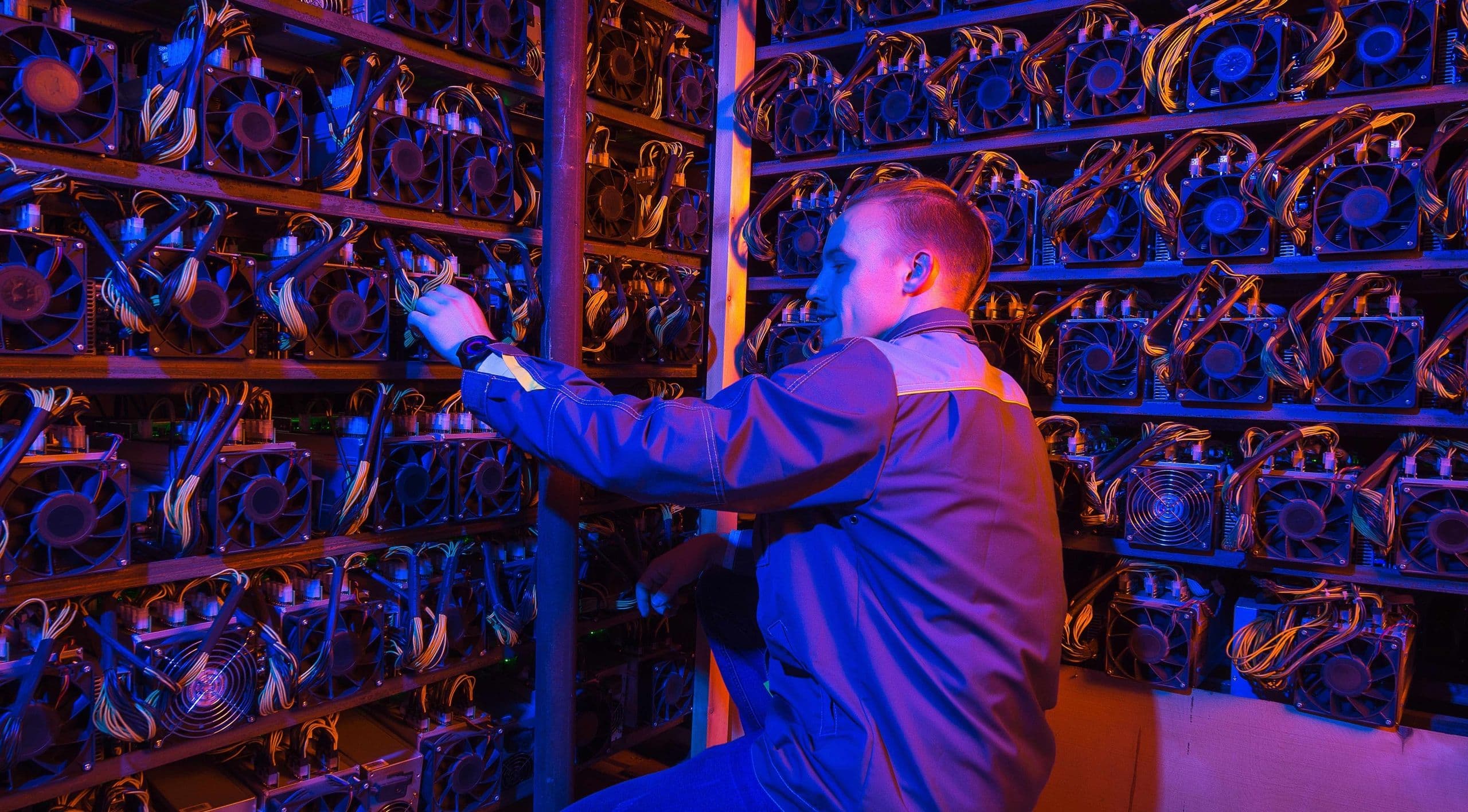
Miners aren't selling. This isn't sentiment—it's survival strategy. Historically, miners were natural sellers, needing to cover costs. Now, with prices above $60,000, cash flow pressure has eased. More importantly, they're thinking long-term:
- **Post-halving competition** means new equipment costs are massive—selling now weakens future competitiveness
- **Clearer regulations** and institutional interest make miners prefer holding for better pricing
- **Energy market volatility** (think U.S.-Iran tensions affecting oil) makes them cautious about selling at uncertain times
This represents a shift from "Bitcoin producers" to "Bitcoin asset managers." They're holding for scarcity premiums, not converting to fiat.
## Demand Signal: What 270,000 BTC Means
270,000 BTC represents over $17 billion at current prices. This isn't retail speculation—it's strategic accumulation. Whales are signaling:
1. **They believe Bitcoin remains undervalued** at $60,000+
2. **They expect continued supply tightness**—otherwise they wouldn't build such positions
3. **They're preparing for long-term holding**—this is core allocation, not trading inventory
Meanwhile, exchange reserves have dropped to 2.679 million BTC—the lowest since 2017. **Sellable Bitcoin is disappearing.**
## Market Pricing: The 99.6% Reality Check
On April 20, markets priced a 99.6% probability of Bitcoin staying above $62,000. This reflects not euphoria but cold calculation. Traders have priced in supply constraints pushing prices higher. Consistent odds across key dates show clear consensus: supply limitations won't ease soon.
This is data-driven, not emotion-driven. With miners holding, whales buying, and exchange reserves dwindling, the directional pressure is upward unless external shocks intervene.
## What to Watch: Three Catalysts
Focus less on price swings, more on these supply structure variables:
### 1. Regulatory Moves
Major SEC or CFTC decisions could alter institutional entry timing. Tighter regulation might slow whale accumulation; clearer rules could accelerate it. Watch how policy changes supply-demand balance.
### 2. Energy Market Volatility
U.S.-Iran tensions are surface-level. What matters is how global energy prices affect miner costs. Significant spikes could force high-cost miners to resume selling—but the threshold for that remains high currently.
### 3. Whale Behavior Patterns
270,000 BTC is aggregate data. Next, watch structure: Are few whales accumulating, or many? The former means concentrated risk; the latter indicates stronger support. Exchange withdrawal patterns offer more insight than price charts.
## Reality Check: Squeeze Enters Phase Two
Bitcoin's supply squeeze has moved from "halving anticipation" to "actual scarcity." Phase one was betting on future reduction; phase two is observing present reality—miners aren't selling, whales are buying, exchanges are emptying.
The difference is like weather forecasts versus actual rain. One discusses probability; the other requires umbrellas.
For investors, this means:
- **Short-term volatility will continue**, but floors will rise—sellable supply keeps shrinking
- **Any pullbacks become structural buying opportunities**—unless supply dynamics break (e.g., sudden regulatory bans or energy spikes forcing miner sales)
- **Watch supply structure changes, not just price drops**—if miners resume large-scale selling or whales start depositing to exchanges, that's the real risk signal
That signal hasn't appeared yet.
The market's 99.6% probability says supply constraints aren't narrative—they're fact. The question isn't whether this is true, but how you position within it. When sellable Bitcoin dwindles, holding Bitcoin itself becomes the strategic advantage.
DISCLAIMER:
1. All content on this website (including but not limited to articles, data, charts, and analyses) is for general informational purposes only and does not constitute any form of investment advice, trading recommendation, or financial guidance.
2. Cryptocurrencies and digital assets are subject to extreme price volatility and high investment risk; you may lose part or all of your principal. Past performance does not predict future results.
3. The information on this website is based on sources we believe to be reliable, but we do not guarantee its accuracy, completeness, or timeliness. Any investment decisions made based on this website’s information are at your own risk.
4. We strongly recommend that you conduct your own thorough research and consult an independent, licensed financial advisor before making any investment decisions.