• Thai-listed company DV8 has announced plans to build a corporate treasury of 10,000 Bitcoin.
• Blockchain AI Convergence: Fact-Check & Market Guide (2026)
• Polygon's mainnet will undergo the Giugliano upgrade on April 8.
• DoorDash, Chainlink & Oblong Market Shifts Guide (2026)
• PsiQuantum has started building its million-qubit quantum facility. Scientists say a machine this po
• Anthropic Discontinues Subscription Support for Third-Party Tools
• XRP ETF Forecasts & Bitmine’s $20B ETH Bet: 2026 Analysis
• Crypto & Tech Market Trends 2026: Pi, XRP, Robotaxi Safety
• DoorDash, Chainlink & Oblong Market Shifts Guide (2026)
• SEC v. Ripple Case Ends: XRP Outlook & Monero 51% Attack (2026)
Beyond Oil's Two-Way Risk: What Bitcoin Investors Should Watch as Geopolitics Reshape Capital F
2026-04-15 20:45:37
Goldman Sachs issued a report this week highlighting both upside and downside risks for oil prices. On the surface, this is standard crude market analysis. But for the crypto space, the critical takeaway is how geopolitical instability is reshaping global capital allocation—where liquidity moves and where risk shelters. That’s the real hardcore question.
## Strait Blockade: It’s Not About Oil, It’s About Liquidity
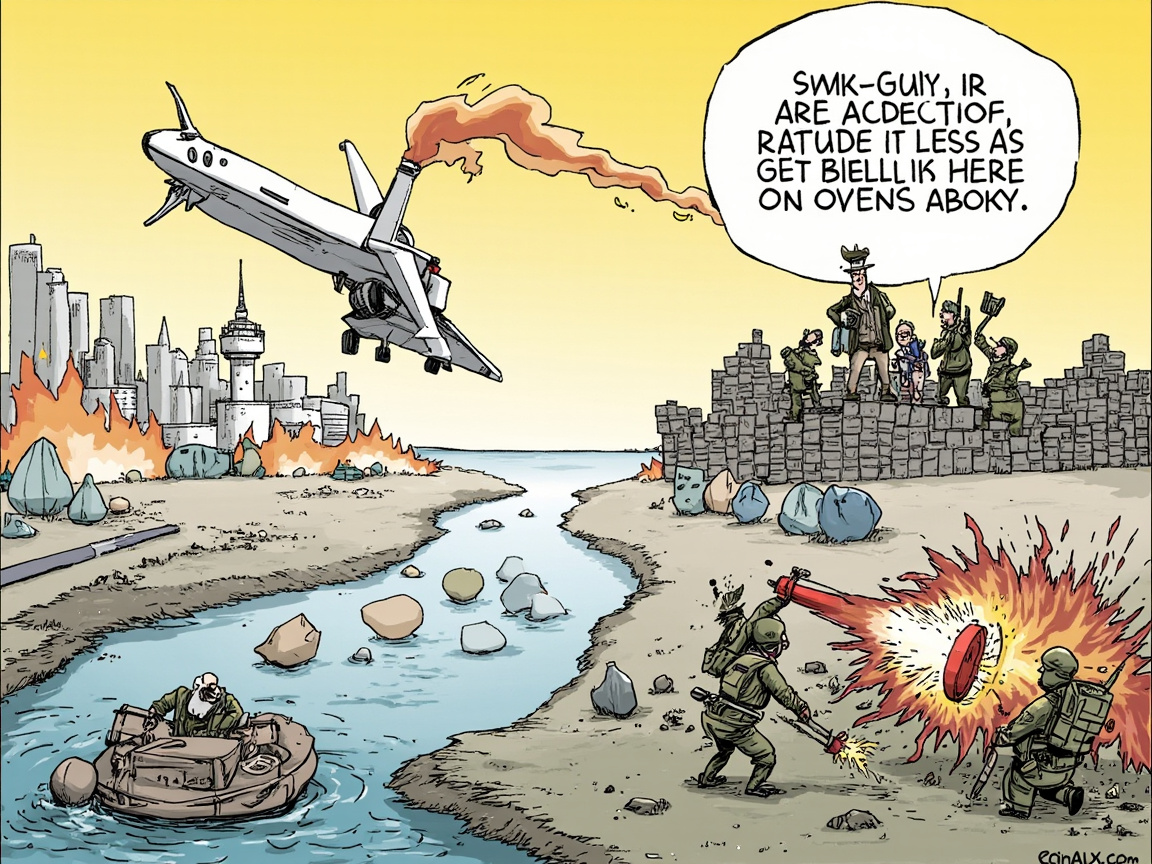
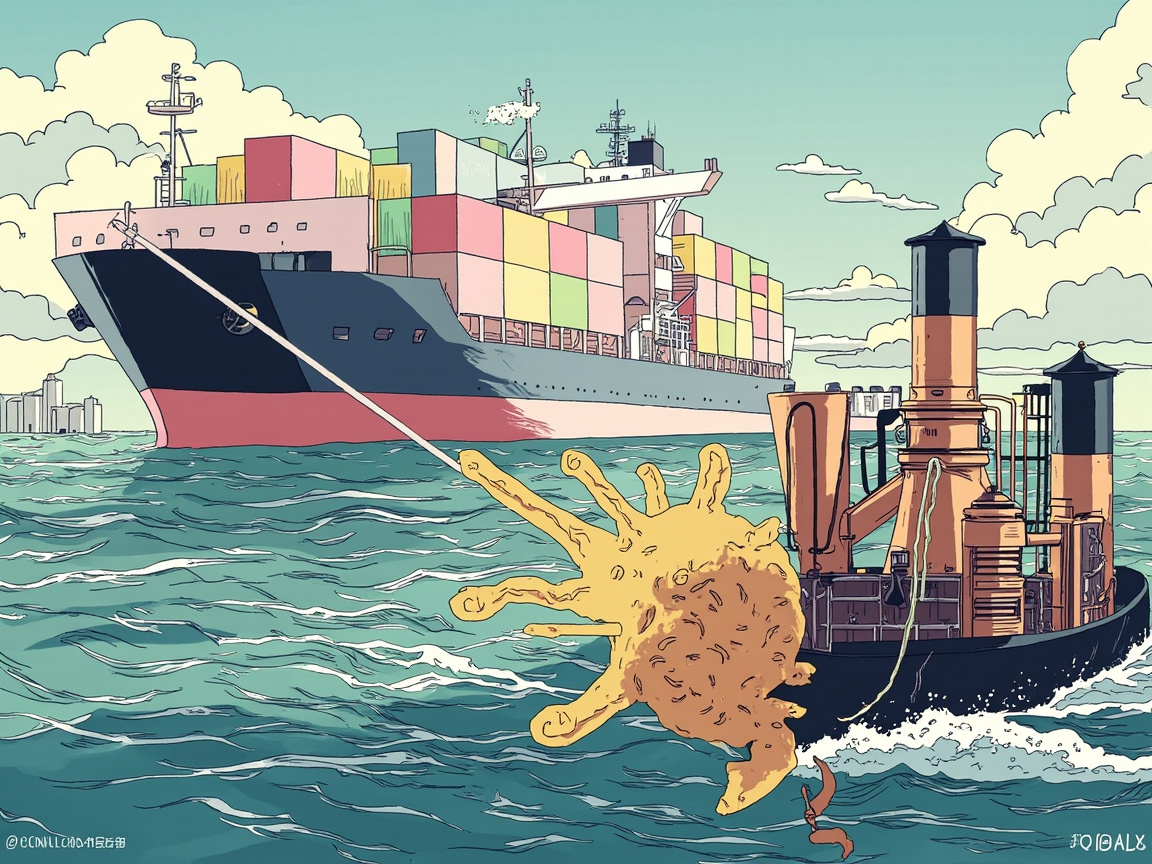
Traffic through the Strait of Hormuz has plunged to just 10% of normal levels, with only 2.1 million barrels per day moving. U.S. naval blockades targeting Iranian tankers are pushing oil prices higher.
But Bitcoin investors shouldn’t just calculate oil price swings. Think deeper: energy chokepoints mean capillaries of global trade are being squeezed. Where will traditional safe-haven capital flow? Some will head to gold and the dollar, but history shows that when physical channels clog, digital channels get repriced.
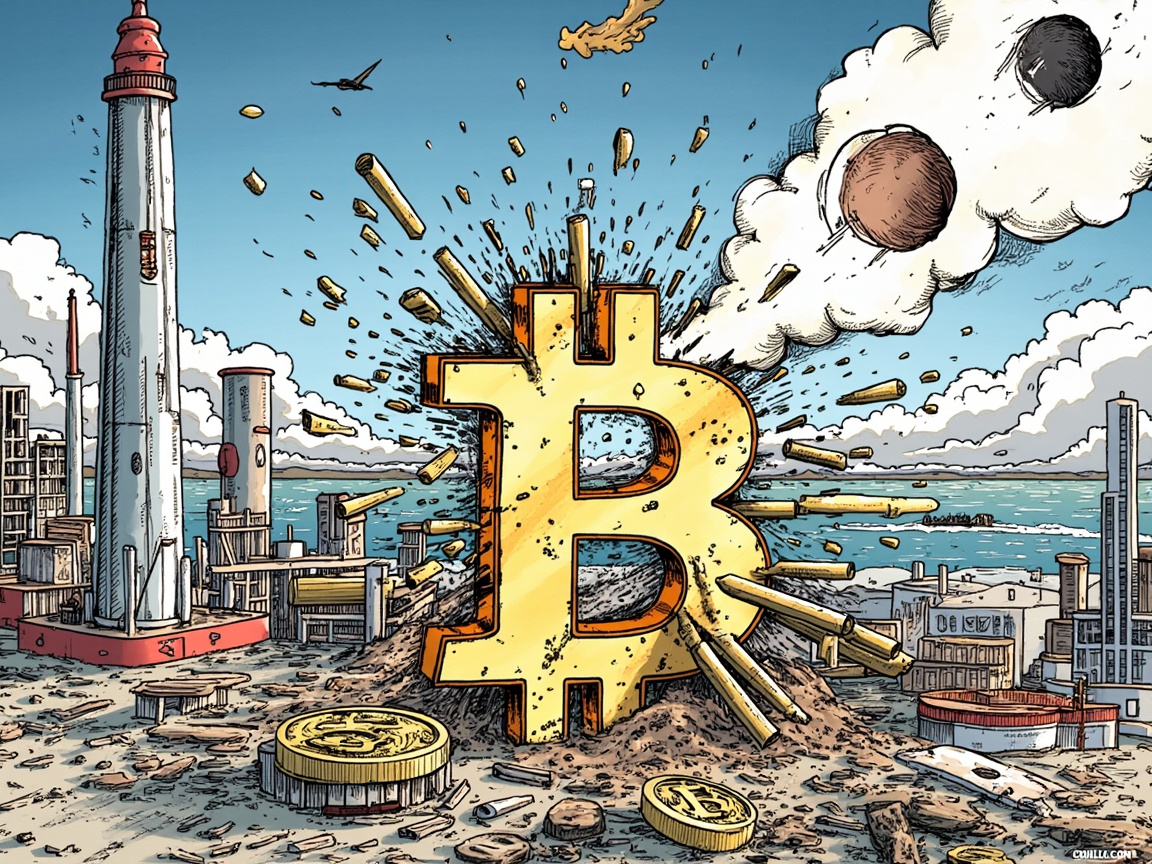
This isn’t about predicting a Bitcoin rally. It’s about recognizing that as geopolitical crises deepen, trust in traditional assets frays. Capital seeks more independent, decentralized harbors.
## Ceasefire Hopes: Risk Premiums Ease, But Don’t Relax Yet
U.S.-Iran ceasefire talks offer hope for peace, and geopolitical risk premiums are indeed receding. Goldman notes this adds downward pressure to oil.
But crypto should ask: as risk premiums fall, will money flow back from safe havens to risk assets? Not necessarily.
Global inventory drawdowns have slowed sharply—from roughly 7 million barrels per day to about 2 million. This either signals demand shifting to Asian refined product stocks, or accelerating crude demand loss. Either way, it points to one reality: the global economic engine is slowing.
When growth slows, central banks turn cautious and market volatility amplifies. Bitcoin in this environment isn’t simply about “up or down”—volatility itself becomes an asset.
## The Core of Two-Way Risk: Global Capital Is Realigning
The hardest data in Goldman’s report: naphtha demand in April may drop by 1.3 million barrels daily versus February, while aviation fuel demand runs 500,000 barrels below trend.
This isn’t just an energy demand slump—it’s a dual contraction in industrial activity and global liquidity.
When physical demand shrinks, capital instinctively seeks more efficient markets. The more traditional finance gets tangled in geopolitics, trade barriers, and inventory gluts, the clearer digital assets’ relative appeal becomes. This isn’t about belief; it’s about math.
## What Comes Next? Watch These Three Signals
1. **Does Strait Traffic Recover?**
If blockades persist, oil-driven inflation could force prolonged high rates. High rates suppress risk assets, including crypto, but also accelerate cracks in traditional finance.
2. **Does the Ceasefire Materialize?**
If peace progresses, receding risk premiums will unlock safe-haven capital. Not all will return to equities—historical data points to alternative assets.
3. **Do Inventory Drawdowns Rebound?**
If drawdowns keep slowing or reverse, global demand is weaker than thought. All assets repricing could reactivate Bitcoin’s “digital gold” narrative.
## Bottom Line: This Cuts Deep Into Global Trust
Goldman’s report surfaces as oil analysis but runs deeper: it’s about geopolitics colliding with global capital.
Crypto doesn’t need to become oil experts, but it must read capital flows. As straits block, ceasefires waver, and inventories confuse, certainty in traditional markets evaporates.
Uncertainty is precisely Bitcoin’s native terrain.
So look beyond oil charts. Watch where global capital regroups, how risk appetite migrates. This geopolitical turmoil isn’t cutting oil—it’s cutting the decades-old global trust system. The wider those cracks, the harder digital alternatives’ value becomes.
| DISCLAIMER: The information on this website is provided as general market commentary and does not constitute investment advice. We encourage you to do your own research before investing. |
Recommended reading

Markets
2026-03-24
Markets
2026-02-26
Markets
2026-03-23
Latest News