• Thai-listed company DV8 has announced plans to build a corporate treasury of 10,000 Bitcoin.
• Blockchain AI Convergence: Fact-Check & Market Guide (2026)
• Polygon's mainnet will undergo the Giugliano upgrade on April 8.
• DoorDash, Chainlink & Oblong Market Shifts Guide (2026)
• PsiQuantum has started building its million-qubit quantum facility. Scientists say a machine this po
• Anthropic Discontinues Subscription Support for Third-Party Tools
• XRP ETF Forecasts & Bitmine’s $20B ETH Bet: 2026 Analysis
• Crypto & Tech Market Trends 2026: Pi, XRP, Robotaxi Safety
• DoorDash, Chainlink & Oblong Market Shifts Guide (2026)
• SEC v. Ripple Case Ends: XRP Outlook & Monero 51% Attack (2026)
Nauru's Crypto Gambit: Why This Tiny Nation's Controversial Appointment Matters
2026-04-15 09:44:54
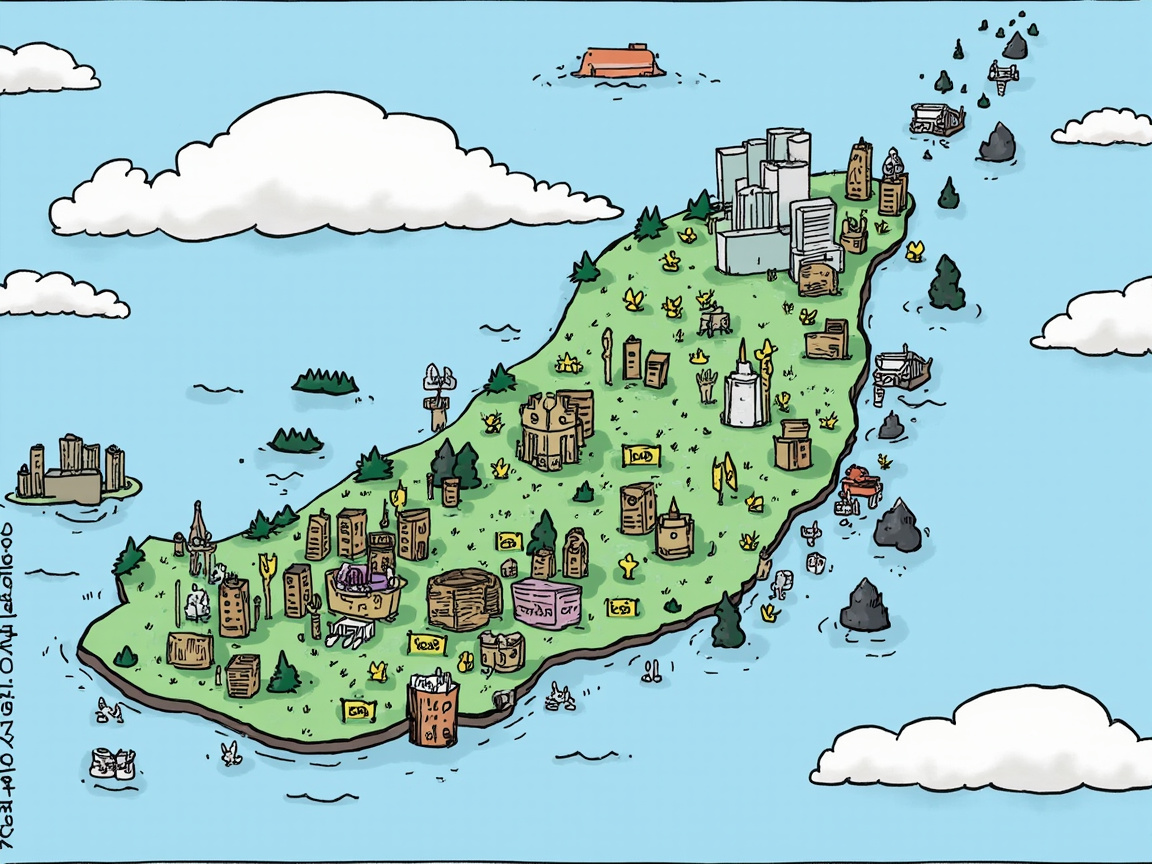
The Pacific island nation of Nauru—just 21 square kilometers and home to roughly 10,000 people—has appointed Bitcoin investor and entrepreneur Dadvan Yousuf as its international trade commissioner for digital assets. On the surface, it’s a small country tapping industry expertise. Look closer, and you’ll see Nauru is playing a dangerous game: using regulatory licenses as bargaining chips in a bid for economic survival, walking a tightrope between compliance and risk.
### Not a Hire—a Survival Strategy
Nauru isn’t new to crypto. Last year, it launched the Command Ridge Virtual Asset Authority (CRVAA) to license crypto firms and digital banks. With Yousuf’s appointment, Nauru is shifting from building frameworks to attracting clients.
President David Adeang didn’t mince words: Nauru is “highly vulnerable” to economic and climate shocks and needs new revenue streams. Translation: traditional options are exhausted; digital assets are the lifeline.
But Yousuf brings baggage. In 2023, Swiss regulator FINMA flagged one of his projects for selling millions in tokens without a license, ordering it to cease operations. Nauru knew this—and hired him anyway. The signal is clear: they want someone who understands how to navigate the edges.
### The Real Bet: How Far Can Regulatory Arbitrage Go?
Nauru’s plan is straightforward: offer relatively relaxed licenses to projects that struggle in mainstream markets, then collect fees to keep the nation afloat.
This isn’t novel—Malta and Seychelles have tried similar plays. But Nauru is all-in: a microstate with no fallback, betting everything on crypto.
Yousuf’s mandate is to “attract global investment”—essentially pulling virtual asset providers, financial institutions, and tech firms to set up shop. His fame in crypto circles (remember the Bitcoin flag on Everest?) and his Swiss regulatory tussle make him oddly suited for this gray-area hustle.
Yet the contradiction is glaring: Nauru claims to “adhere to international governance” while appointing a figure with a controversial compliance record. That gap won’t hold forever.
### What Crypto Investors Should Watch
For everyday holders, Nauru might seem distant. But these points matter:
**1. License credibility**
Which exchanges recognize CRVAA licenses? If it’s just paper compliance, firms registering there likely aim to skirt mainstream regulation. Steer clear.
**2. Capital flows**
Where will Yousuf’s attracted investments go? If they target compliance-sensitive sectors like DeFi or cross-border payments, international scrutiny will follow—and fallout could ripple widely.
**3. Geopolitical pressure**
Nauru sits near Australia, which takes a hard line on crypto regulation. If Nauru becomes a “regulatory haven,” will Australia or the U.S. step in? Microstates fold fast under pressure.
### Two Likely Paths Ahead
Nauru’s gamble will probably unfold one of two ways:
**Path A: Short boom, then a regulatory wall**
It attracts fringe projects, collects fees for a few years, then a blowup or money-laundering case triggers international intervention. Remember Malta’s “Blockchain Island”? Its buzz has faded.
**Path B: Niche survival**
If Nauru rigorously vets projects and focuses on specific sectors—say, digital securities or compliant stablecoins—it might carve out a sustainable niche. But that requires discipline, something edge players often lack.
### The Bottom Line for Investors
Crypto sometimes romanticizes small nations as agile innovation hubs. But agility comes with fragility.
Nauru made headlines in 2023 when FTX bankruptcy filings suggested using misappropriated funds to buy the island for a bunker. The plan was denied, but the episode shows how such states can be “priced” by capital.
Now Nauru is wagering its regulatory authority. Win, and it buys a few more years. Lose, and national credibility goes down with it.
For investors, the rule is simple: **Any project setting up in Nauru should answer one question clearly: “Why not Singapore or Switzerland?”** Vague answers mean they’re likely seeking loopholes—and loophole businesses get shut down first.
Nauru’s move is a microcosm of crypto’s edge play: big players compete on tech; small players compete on nerve. But in the face of regulatory force, nerve is rarely enough.
| DISCLAIMER: The information on this website is provided as general market commentary and does not constitute investment advice. We encourage you to do your own research before investing. |
Recommended reading




Bitcoin
2026-02-26
Bitcoin
2026-03-31
Latest News