• Thai-listed company DV8 has announced plans to build a corporate treasury of 10,000 Bitcoin.
• DoorDash, Chainlink & Oblong Market Shifts Guide (2026)
• Blockchain AI Convergence: Fact-Check & Market Guide (2026)
• Polygon's mainnet will undergo the Giugliano upgrade on April 8.
• PsiQuantum has started building its million-qubit quantum facility. Scientists say a machine this po
• Anthropic Discontinues Subscription Support for Third-Party Tools
• XRP ETF Forecasts & Bitmine’s $20B ETH Bet: 2026 Analysis
• Crypto & Tech Market Trends 2026: Pi, XRP, Robotaxi Safety
• DoorDash, Chainlink & Oblong Market Shifts Guide (2026)
• SEC v. Ripple Case Ends: XRP Outlook & Monero 51% Attack (2026)
Oil at $100 Is Just the Appetizer: The Underpriced Recession Bet You Should Watch
2026-04-17 05:49:37
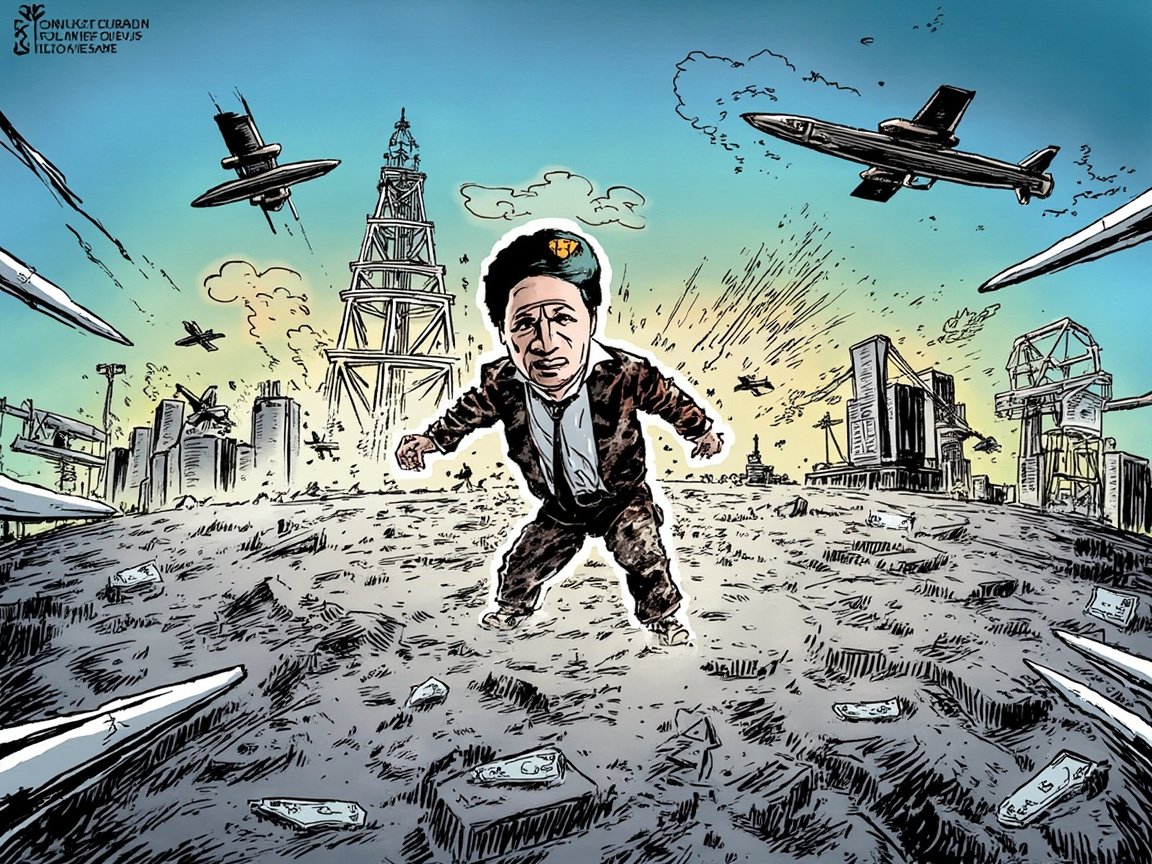
The IMF and World Bank just wrapped their spring meetings with a blunt message: the global economic outlook is deteriorating. The U.S. economy could slip into recession by late 2026. Meanwhile, escalating conflict between Iran, Israel, and the U.S. has disrupted energy supplies, sending oil prices soaring past $100 per barrel.

On the surface, this looks like another geopolitical oil spike paired with institutional pessimism. But the real action—and opportunity—lies in prediction markets where a handful of small, precise bets are signaling something bigger: smart money is quietly positioning for a recession that mainstream markets are ignoring.
## The Recession Bet Nobody’s Making (Yet)
On prediction platform Polymarket, the “U.S. Economic Recession” contract for December 31 settlement currently shows zero recent trading volume. The “YES” shares—which pay out $1 if a recession is confirmed—are priced at $0.00. That means the market sees recession odds as so low that no one is willing to spend even a penny on insurance.
Even more telling: a separate market predicting European Central Bank rate cuts by April 2026 shows just $3 worth of USDC traded, pricing a 50-basis-point cut at a mere 0.3% probability. Three dollars might not buy a coffee, but these micro-bets reveal a market blind spot—everyone thinks recession is too distant to even wager on.
## The IMF’s 2% Red Line
The IMF trimmed its worst-case growth forecast to 2%. That’s dangerously close to contraction territory—what they call “very close to a downturn.” With oil above $100 and geopolitical tensions rising, any further shock—whether from higher energy prices or spreading conflict—could tip the balance.
Think of 2% as a tripwire. Cross it, and recession becomes reality. $100 oil just nudged the global economy closer to that line.
## Why Crypto Should Care
Recession isn’t an abstract concept. It means liquidity drying up, risk assets repricing, and the Federal Reserve potentially pivoting sooner than expected.
Right now, markets are priced for perfection. That $0.00 recession insurance on Polymarket reflects collective complacency—a belief that the U.S. economy can withstand anything and geopolitical flare-ups are just noise.
But history shows recessions often arrive when everyone insists “this time is different.” For Bitcoin, early recession phases are typically brutal—liquidity crunches trigger selloffs across all assets. However, if a downturn forces the Fed to cut rates or governments to unleash stimulus, the narrative could shift dramatically.
The key isn’t predicting whether recession will hit, but spotting where market pricing is wrong. When everyone feels safe, risk is usually highest.
## What to Watch Next
Forget oil prices—$100 is already baked in. Focus on these three signals instead:
1. **The Fed’s tone**: Every word from Chair Powell and Treasury Secretary Yellen will be scrutinized. Do they acknowledge recession risks? Is their language hardening or softening?
2. **Two data points**: Consumer confidence and employment figures. These are leading recession indicators. A downturn in either could flip market sentiment overnight.
3. **That $3 bet**: Yes, the tiny European Central Bank rate market. Small position changes here can swing prices dramatically—it’s a microscope on market sentiment.
## The Bottom Line
Geopolitical conflict → higher oil prices → squeezed growth → recession risk. The first link is already in motion. The second is unfolding. The third is still treated as a joke by most.
But those prediction market bets remind us: someone always sees what others miss.
For investors, the question isn’t whether to bet on a recession, but whether your portfolio is prepared if one arrives—or if you’ll miss the rally if it doesn’t. When everyone feels safe, a little caution is cheaper than panic-buying later. $100 oil isn’t the endgame—it’s a warning that the game just got harder.
| DISCLAIMER: The information on this website is provided as general market commentary and does not constitute investment advice. We encourage you to do your own research before investing. |
Recommended reading





Markets
2026-03-24
Markets
2026-02-26
Markets
2026-03-23
Latest News