• Thai-listed company DV8 has announced plans to build a corporate treasury of 10,000 Bitcoin.
• DoorDash, Chainlink & Oblong Market Shifts Guide (2026)
• Blockchain AI Convergence: Fact-Check & Market Guide (2026)
• Polygon's mainnet will undergo the Giugliano upgrade on April 8.
• PsiQuantum has started building its million-qubit quantum facility. Scientists say a machine this po
• Anthropic Discontinues Subscription Support for Third-Party Tools
• XRP ETF Forecasts & Bitmine’s $20B ETH Bet: 2026 Analysis
• Crypto & Tech Market Trends 2026: Pi, XRP, Robotaxi Safety
• DoorDash, Chainlink & Oblong Market Shifts Guide (2026)
• SEC v. Ripple Case Ends: XRP Outlook & Monero 51% Attack (2026)
Tether's Wallet Revolution: Usernames Replace Crypto Addresses in Bid for Mainstream Adoption
2026-04-17 00:04:03
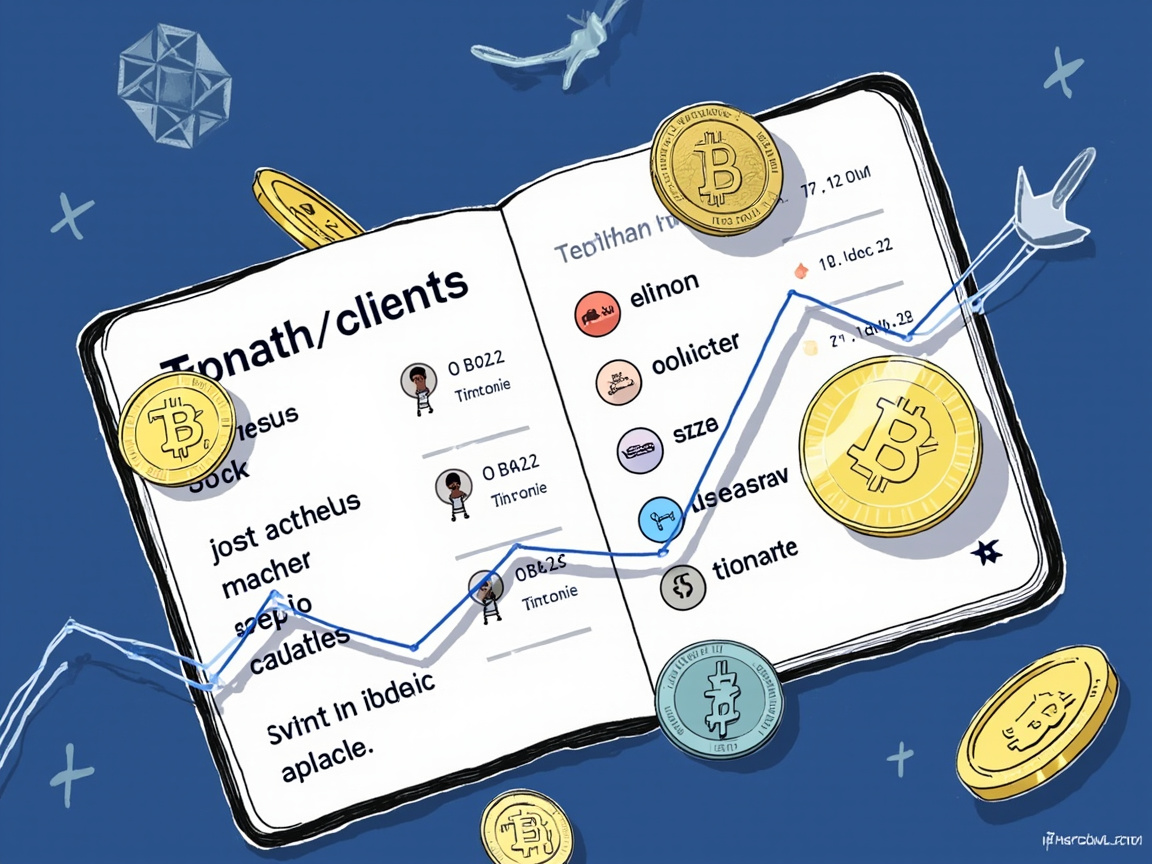
Tether just launched a wallet that lets you send crypto using usernames like **name@tether.me**—a move that feels more like 2026 than 2013. On the surface, it's another usability upgrade. But the real story is how the world's largest stablecoin issuer is shifting from powering exchanges behind the scenes to facing 5.7 billion users directly.
## Username Payments: Killing Addresses, Changing Habits
Copy-pasting long addresses, double-checking characters, fearing typos—that's been crypto's payment ritual for over a decade. Tether just threw it out.
Now you can send USDT, Bitcoin, or even tokenized gold using simple usernames. **This isn't just interface polish—it's behavioral reset.** Traditional finance uses phone numbers, emails, or names; crypto demanded users memorize machine language. Tether brings payments back to human-friendly identifiers.
More crucially, the wallet lets you **pay fees in the same asset you're sending**. Send USDT? Fees come from USDT—no need to hold separate ETH for gas. That single detail removes the biggest new-user confusion: "Why do I need another coin to pay for this?"
## 5.7 Billion Users: From Infrastructure to Consumer Gateway
For years, Tether operated as exchanges' liquidity backbone. Now it's stepping forward with a self-custody wallet.
**This isn't "just another wallet"—it's the consumer-facing turn of a 5.7 billion-user ecosystem.**
Tether already interacts with over 570 million users through exchanges and DeFi protocols. The wallet is its first direct product for them. The distribution channels were already built; all that was missing was a user-friendly front end. Now it's here—with username payments, multi-chain support, and Lightning Network integration to reduce friction.
What does this mean? Tether is no longer just "exchanges' USDT supplier." It's building direct user relationships. While returning control to users, it's also keeping them within its ecosystem.
## What to Watch Next
**1. User Migration Speed**
Numbers will tell if this solves real pain points. Watch how many Tether ecosystem users actually move assets into this wallet and initiate username transactions. Fast migration means Tether hit the mark.
**2. Competitor Response**
Will other stablecoin issuers, exchange wallets, or general-purpose wallets like MetaMask adopt username payments? If they follow, Tether's direction is validated. If they don't, demand might not be ripe yet.
**3. Regulatory Attention**
Usernames linking to real identities raise AML sensitivities. How Tether balances usability with compliance will be critical to monitor.
## The Real Cut: User Experience, Not Technology
Crypto has discussed "mass adoption" for a decade, but most solutions tinker at the technical layer—faster chains, lower gas, flashier protocols. Tether's move cuts at **the user habit layer**.
It doesn't try to educate users about addresses, gas, or cross-chain bridges. It hides those concepts behind an interface as simple as messaging app transfers.
**This might not be a technical breakthrough, but it could be an experiential turning point.** If crypto payment adoption hinges on usability, replacing addresses with usernames might be the threshold action that makes ordinary people think, "I can actually use this."
## Bottom Line
For everyday holders, this wallet's value depends on two things:
- **Fees**: Is paying gas in the same asset actually cheaper?
- **Security**: Is self-custody key management simple and reliable enough?
For market watchers, the key isn't another Tether product launch—it's the **strategic shift from B2B to B2C**. Activating consumer use cases across a 5.7 billion-user ecosystem could redefine stablecoin applications beyond mere trading pairs.
Crypto's "normal person" moment might arrive not through technological leaps, but because someone finally decided to adapt machines to humans—not the other way around. Tether just swung at crypto's most stubborn cognitive barrier. Now we see if users vote with their feet.
| DISCLAIMER: The information on this website is provided as general market commentary and does not constitute investment advice. We encourage you to do your own research before investing. |
Recommended reading



Ethereum
2026-03-25
Ethereum
2026-04-01
Latest News