• Thai-listed company DV8 has announced plans to build a corporate treasury of 10,000 Bitcoin.
• DoorDash, Chainlink & Oblong Market Shifts Guide (2026)
• Blockchain AI Convergence: Fact-Check & Market Guide (2026)
• Polygon's mainnet will undergo the Giugliano upgrade on April 8.
• PsiQuantum has started building its million-qubit quantum facility. Scientists say a machine this po
• Anthropic Discontinues Subscription Support for Third-Party Tools
• XRP ETF Forecasts & Bitmine’s $20B ETH Bet: 2026 Analysis
• Crypto & Tech Market Trends 2026: Pi, XRP, Robotaxi Safety
• DoorDash, Chainlink & Oblong Market Shifts Guide (2026)
• SEC v. Ripple Case Ends: XRP Outlook & Monero 51% Attack (2026)
60,000 Bitcoin Flood Exchanges: Short-Term Holders Sell at Highs, But This Time It's Different
2026-04-16 16:15:38
**Short-term Bitcoin holders just moved over 60,000 BTC to exchanges—the largest single transfer since February's sell-off wave.** On the surface, this looks like a classic profit-taking move: when short-term holders send coins to exchanges, they're usually preparing to sell, which can trigger downward price pressure.
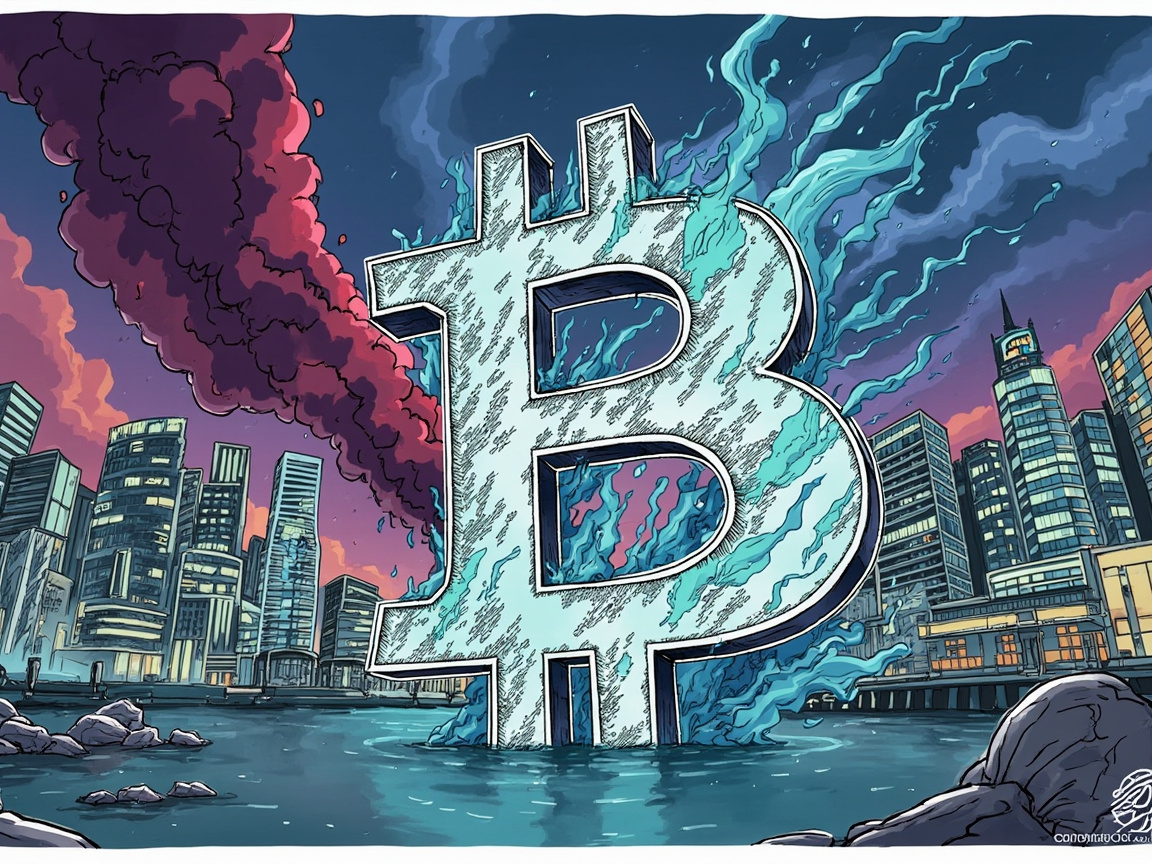
But the real takeaway isn't the selling itself—it's the market's response. After Bitcoin hit a new all-time high on June 30, prices have held steady in a tight 3% range. Even with 60,000 BTC hitting exchanges, the market barely flinched. Why? Simple math: with USDC daily volumes exceeding $114 million and solid order book depth, the market absorbed the selling pressure effortlessly. Short-term holders wanted to sell, and the market had the liquidity to buy.
## History Repeats, But the Script Has Changed
Short-term holders selling into strength is Bitcoin's old playbook. Every rally sees profit-taking, and this one's no exception.
But the usual follow-up—"selling triggers a pullback"—didn't happen. Instead, Bitcoin has traded sideways near its highs since June 30, with the all-time high still intact. This isn't just about selling pressure; it's a real-time stress test of market liquidity.
Even more telling: prediction markets give Bitcoin only a 10% chance of hitting new highs by September 30, and just 18% by year-end. Traders aren't betting on a short-term surge, yet they're still buying at these levels. The message? Fear of selling has been replaced by confidence in liquidity.
## Where Did the Axe Fall?
This 60,000 BTC transfer didn't cut into prices—it cut into market psychology.
In the past, a move this size would have sparked panic selling. Now, the market shrugged it off. Behind this shift lies Bitcoin's structural evolution: deeper exchange order books, ample stablecoin liquidity, and growing institutional ownership. Short-term holders' actions are losing their power to shake the broader market.
On April 16, Bitcoin's price was in a state of near-certainty—99.9% confidence. Even with 60,000 BTC flowing in, that certainty held. Traders are voting with their capital: they don't believe selling pressure can break the $68,000 level.
## What to Watch Next
Short-term holder behavior is no longer the sole market signal. Investors should focus on three things instead:
**1. ETF fund flows.** This is where the big money moves. Six thousand BTC from short-term holders might not even match a single day's net inflow for a major ETF. Follow the money—flow data trumps transfer data.
**2. Order book depth.** Can the market absorb another large transfer as smoothly as this one? Depth metrics are a real-time gauge of market resilience.
**3. Regulation and geopolitics.** Oil policies, tariff shifts, regulatory statements—these macro factors now impact market sentiment more than short-term holder trades.
## So What?
This 60,000 BTC transfer was less a sell signal and more a pressure test. The result? The market passed.
What does that mean? Bitcoin's price discovery is shifting from short-term speculators to long-term holders and institutional investors. Volatility will still happen, but its drivers are changing—from "retail selling" to "macro shocks" and "capital rotation."
For Bitcoin watchers, this signal matters more than price moves: the market is maturing, and the rules are changing. The knee-jerk panic to every sell-off is becoming obsolete.
Don't just watch how much short-term holders sell—watch how much the market absorbs. If it digests the selling, that's bullish; if it doesn't, that's a turning point. Right now, the market isn't just digesting—it's doing so without breaking a sweat.
Keep moving forward. The next checkpoint? Watch how ETFs and regulators play their cards.
| DISCLAIMER: The information on this website is provided as general market commentary and does not constitute investment advice. We encourage you to do your own research before investing. |
Recommended reading





Bitcoin
2026-02-26
Bitcoin
2026-03-31
Latest News