• Thai-listed company DV8 has announced plans to build a corporate treasury of 10,000 Bitcoin.
• Blockchain AI Convergence: Fact-Check & Market Guide (2026)
• DoorDash, Chainlink & Oblong Market Shifts Guide (2026)
• Polygon's mainnet will undergo the Giugliano upgrade on April 8.
• PsiQuantum has started building its million-qubit quantum facility. Scientists say a machine this po
• Anthropic Discontinues Subscription Support for Third-Party Tools
• XRP ETF Forecasts & Bitmine’s $20B ETH Bet: 2026 Analysis
• Crypto & Tech Market Trends 2026: Pi, XRP, Robotaxi Safety
• DoorDash, Chainlink & Oblong Market Shifts Guide (2026)
• SEC v. Ripple Case Ends: XRP Outlook & Monero 51% Attack (2026)
Maine's AI Data Center Ban: A Political Power Play That Could Reshape America's Energy Bat
2026-04-16 05:35:14
**Maine’s governor, Janet Mills, is about to decide whether to sign the country’s first AI data center construction ban.** On the surface, it’s a classic tug-of-war between environmental concerns and job creation. But look closer: this local skirmish is a microcosm of America’s growing energy crunch. When AI compute and Bitcoin mining are competing for the same slice of the power pie, even a state-level pause can send ripples across the entire compute landscape.
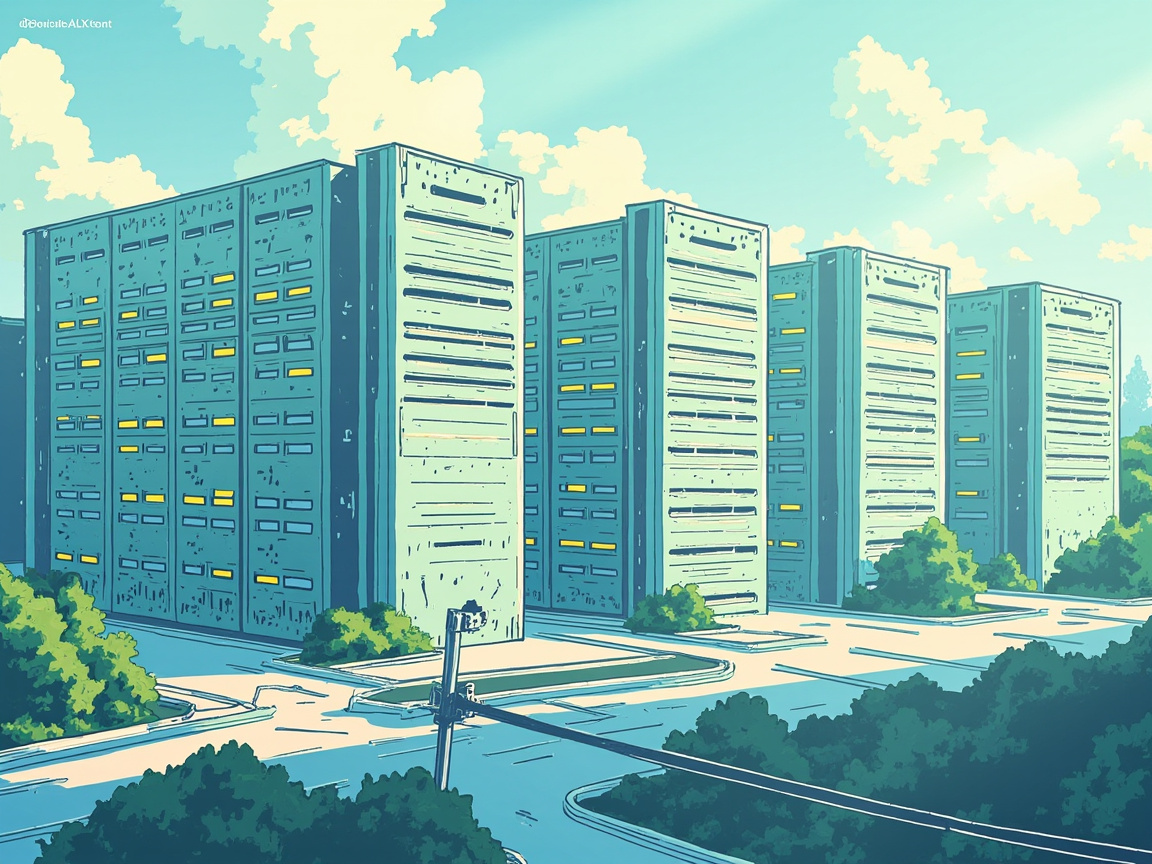
### The Real Fight Is Over Energy
The moratorium would last over a year, during which a committee would review all data center proposals. Opposition has centered on noise and energy impacts—sound familiar? Bitcoin miners have seen this playbook before.
AI data centers and Bitcoin mining facilities are both power-hungry beasts. Maine isn’t a major compute hub, but the signal here is clear: localities are starting to push back against high-energy projects. When Governor Mills tried to carve out an exemption for a $550 million data center project in Jay, the legislature said no. Translation: local control over energy allocation is tightening.
### The Political Calculus
Mills is locked in a tight Democratic Senate primary against a more progressive opponent. Trailing in polls, energy policy has become a hot-button issue. Signing the ban risks alienating tech capital and pro-job voters; vetoing it could cost her environmental support. Miners know this dance well—every site selection involves navigating local political landmines.
Here’s the kicker: AI super PACs are pouring millions into races nationwide. When big money bets on AI infrastructure, local bans stop being just about conservation and start looking like political battles over energy distribution.
### What This Means for Miners
Don’t write this off as a distant, Maine-only issue. The U.S. power grid is a network—pressure in one node transmits elsewhere. AI data centers and Bitcoin mines are chasing the same trifecta: stable power, cheap rates, and regulatory green lights. If Maine’s moratorium becomes a template, other states—especially those with tight grids and strong environmental movements—may follow.
Miners should watch not Maine itself, but whether this “temporary ban + review committee” model gains traction. If it does, compliance costs for site selection could spike.
### Where This Is Headed
**Short-term:** Mills will likely sign the ban—environmental cards are safer plays in a primary. The Jay project won’t die but will go into backroom negotiations, waiting for the moratorium to lift.
**Mid-term:** Other states will watch Maine’s experiment. If the ban proceeds smoothly with public support, copycat bills could emerge elsewhere, especially in the 2024 election cycle where politicians want green credentials without disrupting core industries.
**Long-term:** The energy competition between AI and Bitcoin mining will move from the shadows into the spotlight. As grid capacity becomes scarce, survival will hinge on securing long-term power purchase agreements, mastering local politics, and selling a “green compute” narrative.
### What to Watch Next
1. **Power contract terms**—Check if your mining site’s electricity agreements include “priority clauses.” Could an AI data center bump you off the grid during shortages?
2. **Local election dynamics**—Next year’s state and local races in power-constrained regions matter. A candidate against AI data centers is likely against Bitcoin mines too.
3. **Grid investment flows**—Follow the money for U.S. grid upgrades. Compute will migrate to where capacity expands, not just where prices are low.
4. **AI-mining overlap**—Use satellite maps to track convergence zones: AI data center clusters, Bitcoin mining hubs, and grid nexuses. Where all three overlap, expect the next energy battleground.
### The Bottom Line
Maine’s ban isn’t an outlier—it’s a starting gun. The energy war is shifting from “who has the cheapest power” to “who gets to use power legally.” When local politicians start using environmental and community sentiment to block projects, Bitcoin miners and AI developers become direct competitors on the same regulatory exam.
Over the next 12 months, expect more states to test similar restrictions. Miners still counting kilowatt-hours without factoring in political risk are setting themselves up for a costly lesson. The rules are being rewritten: it’s the same electricity, but who gets it, how much, and under what terms is now up for grabs.
| DISCLAIMER: The information on this website is provided as general market commentary and does not constitute investment advice. We encourage you to do your own research before investing. |
Recommended reading







Markets
2026-03-24
Markets
2026-02-26
Markets
2026-03-23
Latest News