• Thai-listed company DV8 has announced plans to build a corporate treasury of 10,000 Bitcoin.
• Blockchain AI Convergence: Fact-Check & Market Guide (2026)
• DoorDash, Chainlink & Oblong Market Shifts Guide (2026)
• PsiQuantum has started building its million-qubit quantum facility. Scientists say a machine this po
• Anthropic Discontinues Subscription Support for Third-Party Tools
• XRP ETF Forecasts & Bitmine’s $20B ETH Bet: 2026 Analysis
• Polygon's mainnet will undergo the Giugliano upgrade on April 8.
• DoorDash, Chainlink & Oblong Market Shifts Guide (2026)
• SEC v. Ripple Case Ends: XRP Outlook & Monero 51% Attack (2026)
• Crypto Market News: Regulatory Shifts & Corporate Volatility (March 2026)
Hormuz Strait Military Deployment Odds Plunge: What Markets Are Really Betting On
2026-04-14 19:18:36
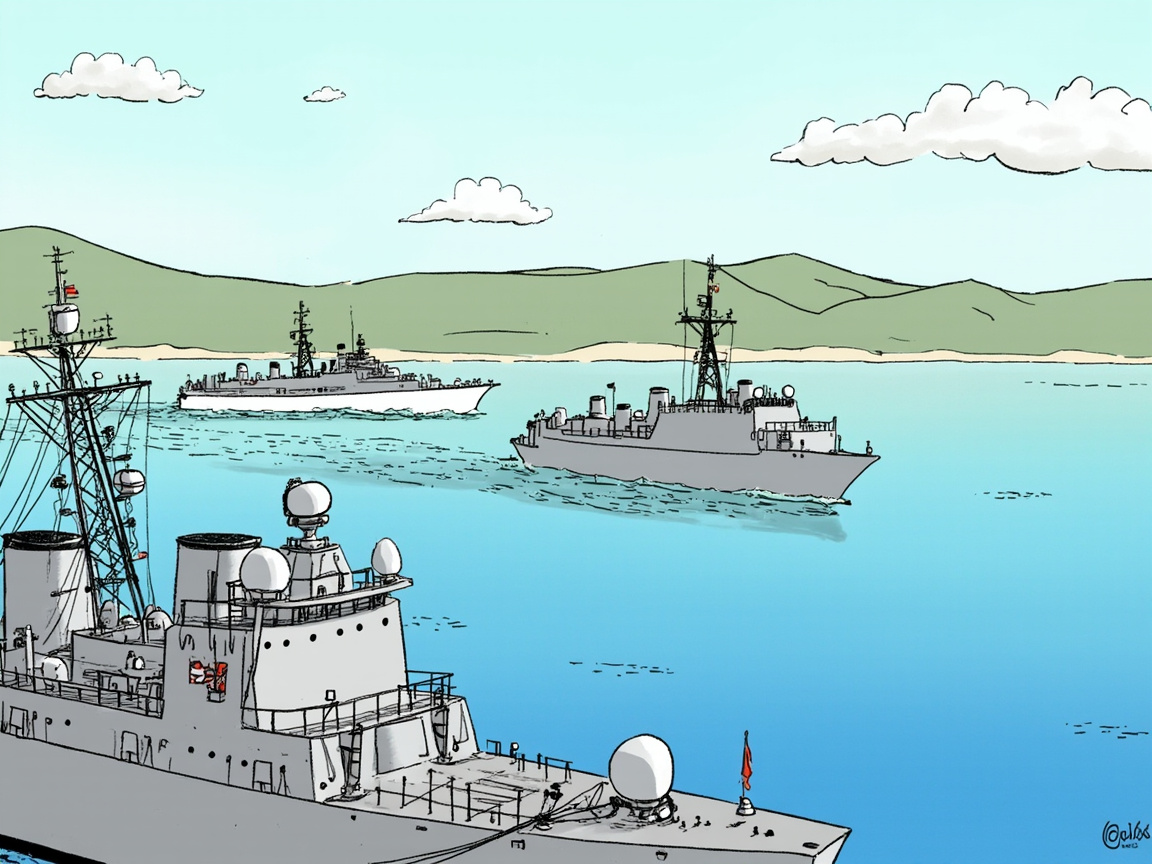
France and Britain are scheduled to hold video talks on Friday about security in the Hormuz Strait. On the surface, it's another geopolitical consultation. But prediction markets have already delivered their verdict: the probability of UK warships passing through the strait by April 30 has plummeted from 14% to 8.5% overnight—a 5.5-point drop. Traders are voting with real money: they don't believe Britain will deploy ships anytime soon.
## The 8.5% Probability Priced Diplomatic Theater
The market reaction was immediate. A 5.5-point swing is significant in this niche market, which sees just **$4,354 in daily volume** (USDC-denominated). Low liquidity means prices swing hard on single data points.
What are traders pricing? **The phrase "video conference."** If Britain were serious about deployment, the Ministry of Defence would have announced it already—not waited for Friday's meeting. Markets interpret talks as delay tactics, hence the probability drop.
**The key takeaway:** More diplomatic consultations typically mean less immediate action.
## The Real Bet: US-Iran Ceasefire at 65.5%
While the warship market trades just over $4K daily, the **US-Iran ceasefire market sees $36,584 in volume**—nearly nine times more. That's where serious money flows.
Why? A ceasefire directly impacts oil prices and global risk assets. Warship movements are merely bargaining chips; a truce determines whether the Middle East boils over again.
The ceasefire probability currently sits at **65.5%**, with markets in wait-and-see mode. If Friday's talks advance a European-led security initiative that creates breathing room for US-Iran negotiations, those odds could climb. **This is where institutional attention is focused.**
## What to Watch Next: Two Signals
1. **UK Ministry of Defence statements** post-meeting. Any firm commitment with ship names or timelines would send the 8.5% probability soaring—though rapid deployment remains logistically challenging.
2. **Ceasefire probability movements.** If warship odds rise but ceasefire odds don't budge, markets see military moves as tension escalators. If both move together, geopolitical chess pieces are truly shifting.
For investors: the warship market offers volatile, shallow-water plays for quick traders. The **trend opportunities lie in the ceasefire market**—deeper liquidity, more participants, and rational pricing.
## The Bottom Line
This isn't just about security talks. Markets are discounting **actionable resolve**, slashing probability from 14% to 8.5% because they don't expect imminent UK naval moves.
Deeper still: markets use warship odds to indirectly bet on ceasefire prospects. Lower deployment probability suggests diplomacy is gaining ground, potentially boosting truce chances—the hidden logic chain behind the volatility.
**Don't get distracted by warship headlines. The real battlefield is the negotiation table.** If Britain remains ambiguous post-meeting, deployment odds could fall further. But if ceasefire odds rise in response, that's the signal worth following.
Markets move faster than headlines. They've already cast their vote.
| DISCLAIMER: The information on this website is provided as general market commentary and does not constitute investment advice. We encourage you to do your own research before investing. |
Recommended reading





Markets
2026-02-26
Markets
2026-03-23
Latest News