• Thai-listed company DV8 has announced plans to build a corporate treasury of 10,000 Bitcoin.
• Blockchain AI Convergence: Fact-Check & Market Guide (2026)
• DoorDash, Chainlink & Oblong Market Shifts Guide (2026)
• PsiQuantum has started building its million-qubit quantum facility. Scientists say a machine this po
• Anthropic Discontinues Subscription Support for Third-Party Tools
• XRP ETF Forecasts & Bitmine’s $20B ETH Bet: 2026 Analysis
• Polygon's mainnet will undergo the Giugliano upgrade on April 8.
• DoorDash, Chainlink & Oblong Market Shifts Guide (2026)
• SEC v. Ripple Case Ends: XRP Outlook & Monero 51% Attack (2026)
• Crypto Market News: Regulatory Shifts & Corporate Volatility (March 2026)
Regulatory Crackdown Intensifies: UK Politician's Bitcoin Holdings Probed, Korean Exchange Fine
2026-04-14 19:09:39
**The regulatory gloves are coming off.** Two major developments this week reveal cryptocurrency oversight is moving from talk to action. In the UK, politician Nigel Farage faces scrutiny over his Bitcoin holdings, while South Korea has slapped its third-largest exchange with a $350 million penalty. These aren't isolated incidents—they mark a turning point in how regulators worldwide approach crypto.
## UK's Political Bitcoin Problem
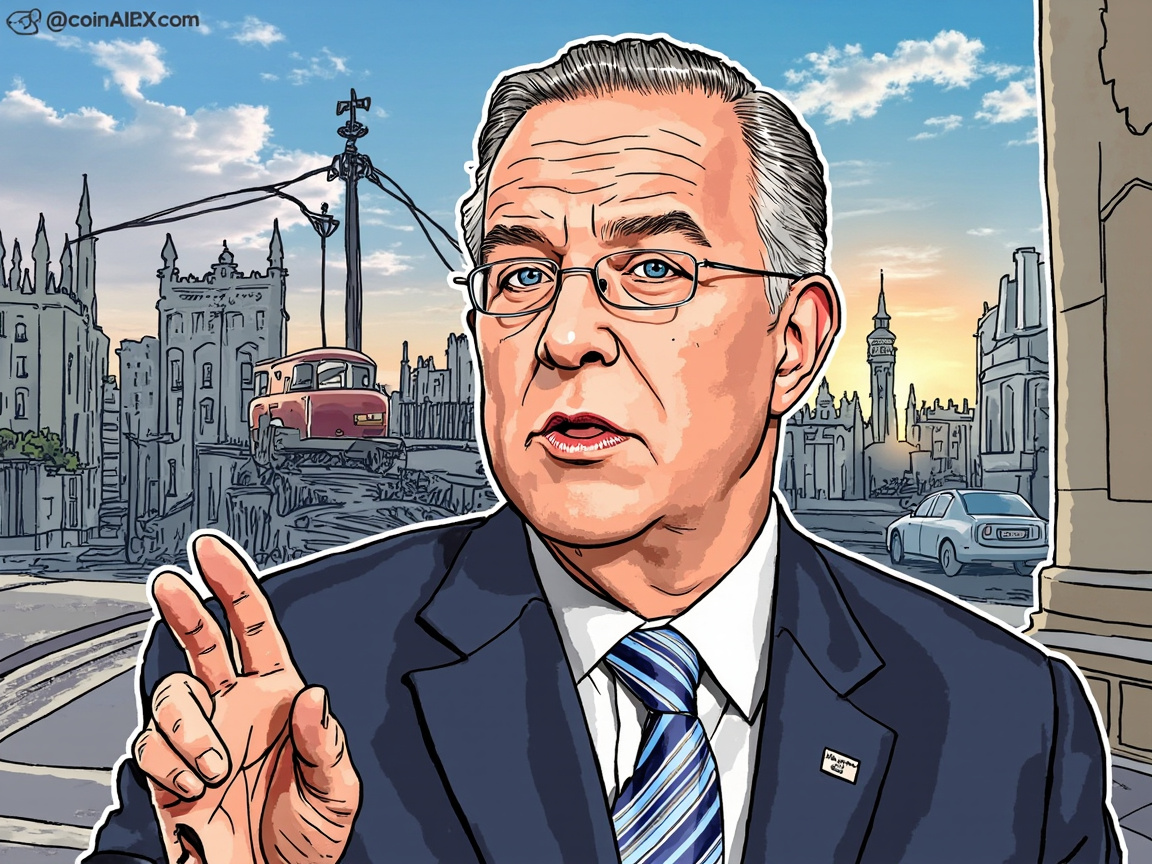
The UK's Financial Conduct Authority (FCA) has been asked to investigate Reform Party leader Nigel Farage's 6.31% stake in Stack BTC, a Bitcoin fund management company. The holding itself—worth about $286,000—isn't the primary concern. What matters is Farage's promotional video explaining "why Bitcoin vault companies must hold Bitcoin," released shortly after Stack BTC disclosed a 37-Bitcoin transaction.
**The real question:** Is political influence being leveraged for personal investment gain? Farage has long advocated crypto-friendly policies, and a major crypto investor donated £9 million to his party. Regulators aren't questioning whether politicians should hold Bitcoin, but whether their positions create conflicts of interest.
## South Korea's Compliance Hammer
Meanwhile, South Korea's Financial Intelligence Unit fined Coinone 52 billion won ($350 million) and suspended parts of its operations for three months. The violations were specific and systemic:
- 70,000 failed user identity verifications
- Facilitation of 10,000+ transactions involving 16 unregistered foreign platforms
- Defective customer due diligence procedures
**The message is clear:** Despite repeated warnings, Coinone continued operating with inadequate controls. This marks Korea's second major exchange penalty this year, establishing compliance as non-negotiable for survival.
## What Comes Next?
**For the UK investigation:** Watch three key factors:
1. **Scope:** Will the FCA examine only Farage's promotional activities, or expand to Stack BTC's overall operations?
2. **Timing:** With UK elections approaching, political pressure could accelerate or delay proceedings
3. **Precedent:** Any FCA ruling would establish the first regulatory case involving politician-held crypto assets
**For Korea:** Coinone has 10 days to appeal, but the penalty will likely stand. The pattern suggests more enforcement actions will follow.
## What Investors Should Watch
Stop obsessing over Bitcoin's daily price movements. Focus instead on:
**1. Regulatory Specificity**
Regulators are moving from vague warnings ("strengthen AML") to concrete penalties ("70,000 verification failures"). This means compliance costs will rise substantially across the industry.
**2. Political Distancing**
Watch how other crypto-holding politicians respond. Will they continue public support or quietly divest? Political sentiment often shifts faster than regulatory frameworks.
**3. Exchange Differentiation**
Coinone's penalty will drive users toward more compliant platforms. Globally, exchanges with strong compliance will gain market share while laggards face user and capital flight.
## The Bottom Line
2024 marks the start of crypto's "enforcement era." Regulators now have enough data and precedent to target high-profile cases. The UK chose political holdings; Korea chose exchange violations—both maximize regulatory impact.
For investors, this means:
- **Short-term pressure:** Regulatory tightening will dampen market sentiment, especially around politically sensitive cases
- **Long-term benefit:** Removing bad actors creates space for compliant participants
- **Strategy shift:** Treat "regulatory risk" as concrete—identify which countries and sectors face the greatest scrutiny
Farage and Coinone represent different sectors but point to the same trend: **Regulatory enforcement has begun, targeting the most visible vulnerabilities.** Expect more concrete cases in the coming months, each redefining market boundaries. Clear boundaries, paradoxically, create the foundation for sustainable growth.
| DISCLAIMER: The information on this website is provided as general market commentary and does not constitute investment advice. We encourage you to do your own research before investing. |
Recommended reading


Bitcoin
2026-02-26
Bitcoin
2026-03-31
Latest News