• Thai-listed company DV8 has announced plans to build a corporate treasury of 10,000 Bitcoin.
• Blockchain AI Convergence: Fact-Check & Market Guide (2026)
• Anthropic Discontinues Subscription Support for Third-Party Tools
• DoorDash, Chainlink & Oblong Market Shifts Guide (2026)
• DoorDash, Chainlink & Oblong Market Shifts Guide (2026)
• SEC v. Ripple Case Ends: XRP Outlook & Monero 51% Attack (2026)
• XRP ETF Forecasts & Bitmine’s $20B ETH Bet: 2026 Analysis
• PsiQuantum has started building its million-qubit quantum facility. Scientists say a machine this po
• Crypto Market News: Regulatory Shifts & Corporate Volatility (March 2026)
• Crypto & Tech Market Trends 2026: Pi, XRP, Robotaxi Safety
Wall Street's AI Scythe: Fee Cuts Are Just Smoke, The Real War Is Over Distribution Networks
2026-04-06 20:21:25
## Part 1: Fee Cuts Are Smoke, Wall Street's Distribution Networks Are Entering Direct Combat

Marc Andreessen says AI will bring job prosperity—he's right, but only half right. The other half: AI is helping Wall Street cut out middlemen and directly reach end capital. Look at the data: Crypto.com cuts 12% citing AI integration; Block slashes 40% of staff, replacing middle management with AI agents; Oracle lays off 30,000 while building AI data centers. These aren't isolated events—they're the same blade cutting in different places. That blade targets redundant links in traditional distribution networks. Wall Street historically relied on layers: investment banks, brokerages, wealth managers, family offices. Each layer adds cost and reduces efficiency. Now AI can directly analyze client needs, auto-match products, and adjust strategies in real-time—middlemen's heyday is over. Andreessen says "AI = productivity boost = demand explosion = job boom," but he omits: employment structure will completely reorganize. Jobs cut are in distribution; new jobs are technical roles directly serving end capital. This isn't about lowering fees—it's changing lanes.
## Part 2: The Real Game: Whoever Is Closer to Money, Survives Better
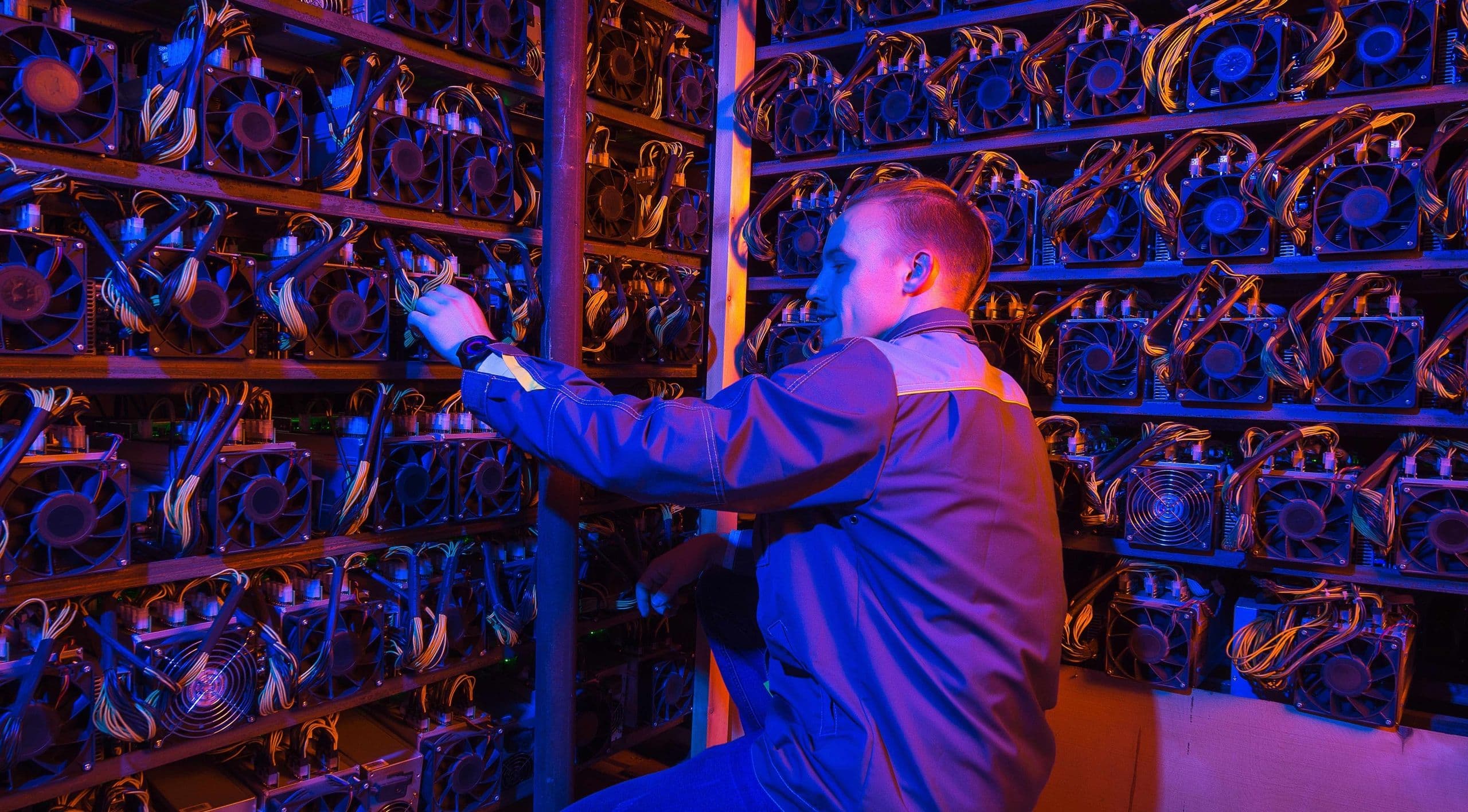
Product differentiation no longer works. Bitcoin ETF fee wars hit 0.15%—how much lower can they go? AI model open-source communities update daily—how long can technical barriers last? The real moat isn't in products, but in reach. Whoever is closer to end capital survives. Crypto.com stated bluntly during layoffs: "Companies not immediately transitioning to AI will fail." Why? Because AI lets exchanges directly analyze user behavior, predict fund flows, and personalize product recommendations—traditional models relying on account managers calling clients are costly, inefficient, and error-prone. Look at MARA repurposing Bitcoin miners for AI computing while cutting 15% of staff. This isn't cross-industry—it's a beachhead. Mining operations have cheap power, computing infrastructure, data center licenses—core resources for AI computing. They're getting closer to money. Tory Green is right: AI tools must be widely accessible, not monopolized by few platforms. But reality: platforms are using AI to reinforce monopolies. You can have the best product, but if you can't reach clients, it's worthless.
## Part 3: Reality Check: Who Gets Squeezed, Who Gets Profits, What to Watch Next
Stop staring at employment numbers—they're just surface. Three things will happen next: First, middle layers will keep getting squeezed. Wealth management firms, small brokerages, third-party service providers—players surviving on information asymmetry and channel fees will either get acquired or die out. AI makes information transparent, crashing channel value. Second, infrastructure providers will get the first profit wave. Those with computing power (like mining firms transitioning), data (like exchanges), or client networks (like established Wall Street institutions)—these players can monetize existing assets directly with AI. They don't need to start from scratch, just optimize connection efficiency. Third, new cracks will appear in markets. When traditional distribution networks get pierced by AI, capital will seek new outlets. Could be decentralized asset management protocols, AI-driven automated strategy platforms, or Wall Street's own "AI black-box products." Cracks mean opportunity. What should investors watch most? Watch capital flows. Forget who's right between Andreessen and WendyO—see where money moves. If capital keeps shifting from traditional asset management products to AI-optimized new channels, that's trend confirmation. If after layoffs, these companies' client assets rise instead of fall, that's model validation. AI won't eliminate work, but will redistribute value. Value flows to wherever is closest to money. Now the question: Where are you in the value chain?
| DISCLAIMER: The information on this website is provided as general market commentary and does not constitute investment advice. We encourage you to do your own research before investing. |
Recommended reading






Bitcoin
2026-02-26
Bitcoin
2026-03-31
Latest News