South Korea is tightening its crypto regulations. The new moves include selling Bitcoin, restricting
South Korea's Crypto Policy Blitz: Bitcoin Sales, Stablecoin Restrictions, and Exchange Ownership Caps
South Korea just dropped three crypto policy moves in a week—and the market is reading the room. While the Digital Asset Basic Act is still in the works, recent signals point to a more cautious regulatory tilt.
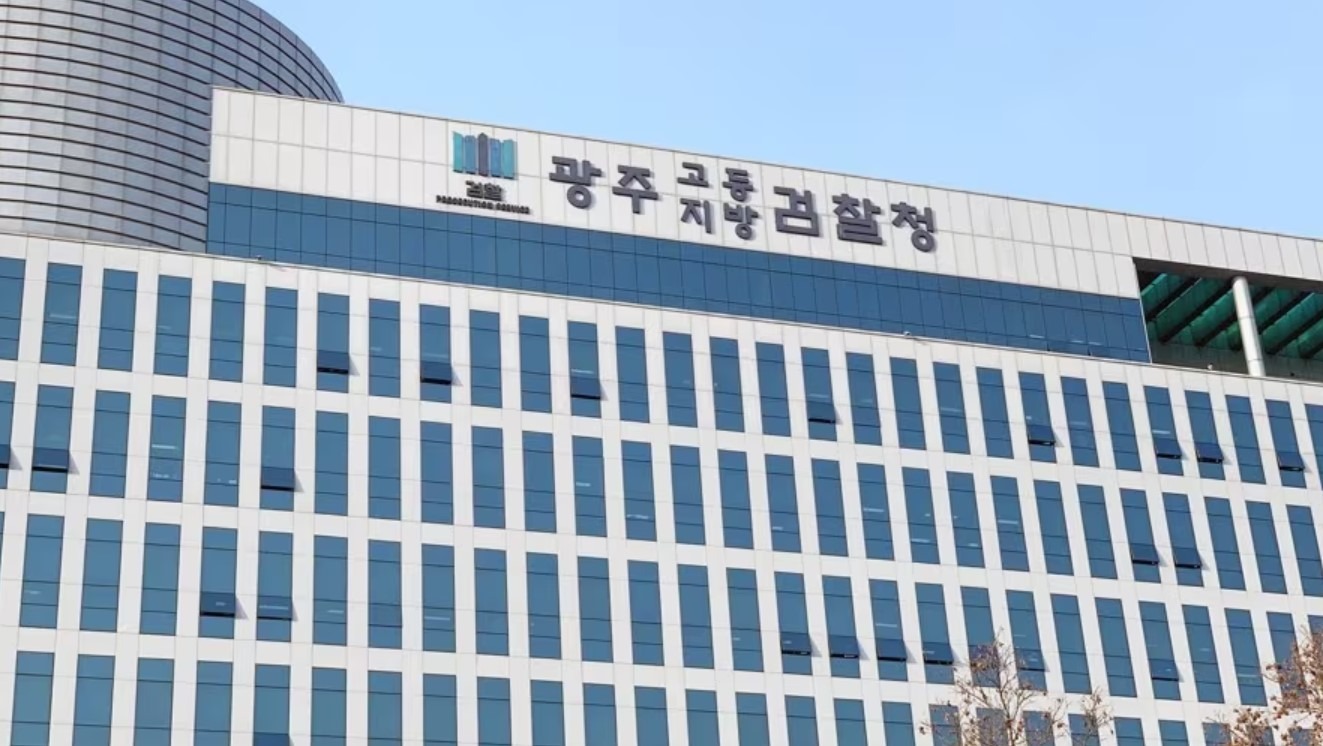
1. Bitcoin sold, not held. The Gwangju Prosecutors' Office offloaded 320.88 BTC seized in a phishing case—worth about $21.6 million—between Feb 24 and March 6. The proceeds went to the state. The move itself isn't the story; it's that Korea chose to liquidate, not treat Bitcoin as a strategic reserve.
2. Stablecoins get the cold shoulder. The FSC is drafting rules to let listed firms invest in digital assets—but USDT and USDC likely won't make the cut. Regulators say the Foreign Exchange Transaction Act doesn't recognize stablecoins for cross-border payments, and letting companies hold them could blur those lines. The law's still in the Assembly.
3. Shareholder caps spark debate. Under the Digital Asset Basic Act, major platform shareholders could face a 34% ownership limit—up from earlier proposals of 15–20%, but still controversial. Critics say the U.S. and Europe have no such caps, and worry about fragmented ownership slowing crisis response.
Three moves, three messages. Whether it's asset disposal, legal alignment, or investor protection, the takeaway is the same: Korea may be tightening its crypto grip. The final shape? Still TBD as the Basic Act gets hammered out.
| DISCLAIMER: The information on this website is provided as general market commentary and does not constitute investment advice. We encourage you to do your own research before investing. |
Recommended reading




Latest News