Ethereum, Solana, and XRP have all jumped 8% as easing worries about war help boost the crypto marke
Bitcoin Smashes Through $72K for First Time Since Feb Crash as War Jitters Fade and ETFs Flood In
Bitcoin just did something it hasn't managed since the February 5 meltdown: it decisively broke through $72,000. And it wasn't just a fluke. Prices pushed past that level on Thursday, finally clearing the $70,000 ceiling that had rejected it three times over the last month.
What changed? A few things. War tensions are easing—at least as far as markets are concerned. ETF inflows are still going strong. And stocks are rallying again. Put it all together, and risk appetite is creeping back into the picture.
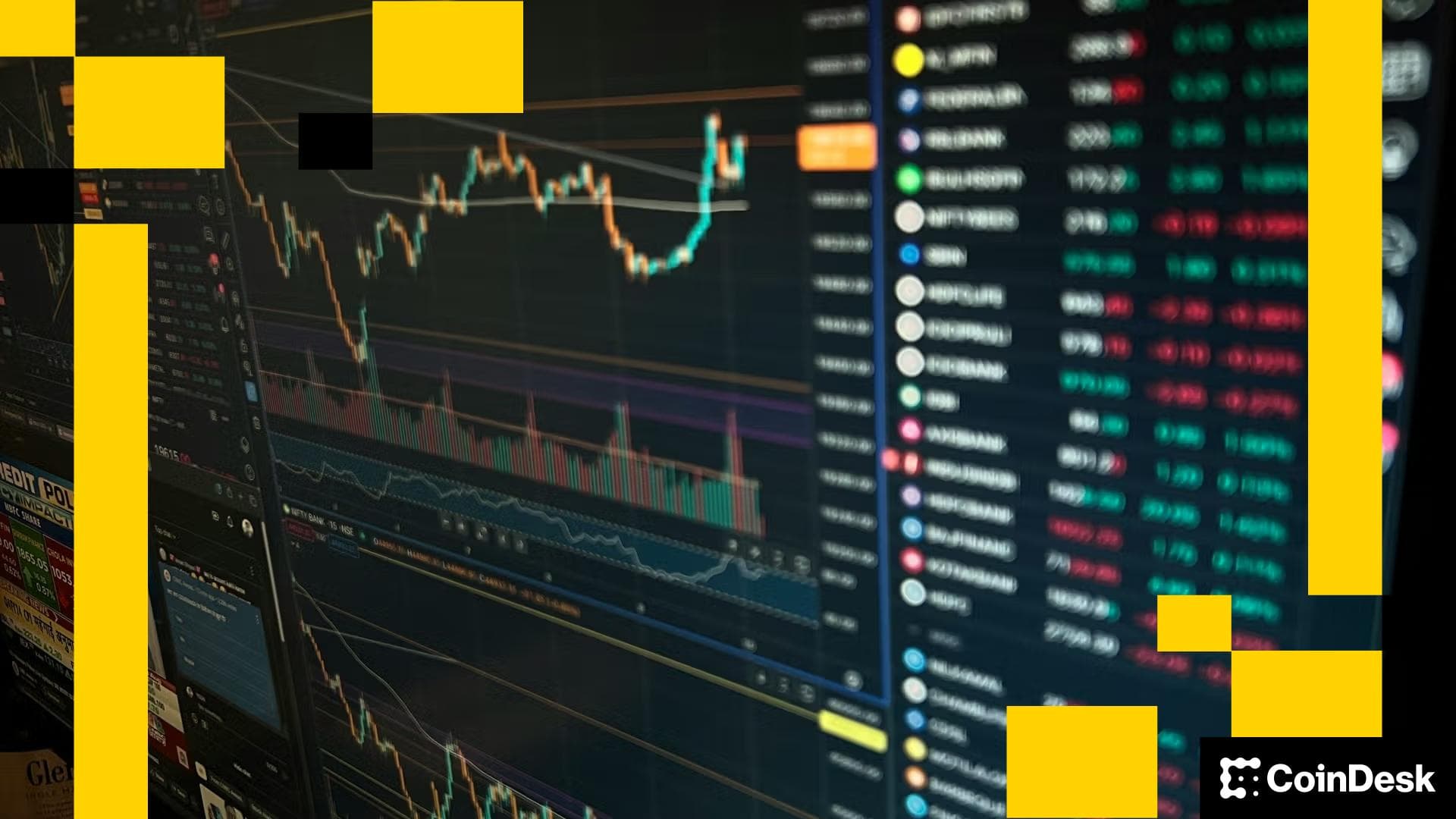
During Asian afternoon trading on Thursday, Bitcoin was sitting at $72,180. That's up nearly 6% in 24 hours, and about 5.4% for the week. Not bad.
And it's not just Bitcoin. The whole market's feeling it. Ethereum jumped 7.5% to $2,114, finally getting back above $2,000 for the first time since late February. Dogecoin? Up 7.5% to $0.095. Solana climbed 5.3% to $89.91. XRP rose 4.2% to $1.41, BNB added 3% to $650, and WhiteBIT Coin leaped 5.6%. The only one dragging its feet? Tron, with a measly 1.4% gain.
So what flipped the switch? Global risk sentiment is doing a 180. Asian stocks, for the first time since the Iran conflict kicked off, are rallying. South Korea's benchmark index? It surged 11% after taking a historic nosedive the day before.
Wall Street led the charge after some economic data took the edge off inflation fears. But it's not all full steam ahead—U.S. and European futures were a bit softer on Thursday morning, so the recovery's still cautious.
Let's be clear: the conflict itself isn't over. Tehran's still going after Israel and Gulf states. U.S. and Israeli forces are still striking Iran—they even sank an Iranian warship in international waters. Defense Secretary Pete Hegseth said the operation could run "six weeks, maybe eight, maybe three." And Trump's out there saying "we're doing very well at the battle front" and that the U.S. has "tremendous backing."
But markets do what markets do. They've moved past the initial shock and are now in price-adjustment mode. The Strait of Hormuz? Looks like it's stabilizing. U.S. tanker escorts are happening. Oil prices? They've pulled back from those early-week spikes.
The worst-case scenario—an all-out, uncontrollable regional war—just feels less and less likely with every day that passes without major escalation. And for now, that's enough to get traders buying again.
| DISCLAIMER: The information on this website is provided as general market commentary and does not constitute investment advice. We encourage you to do your own research before investing. |
Recommended reading




Latest News