• Blockchain AI Convergence: Fact-Check & Market Guide (2026)
• SEC v. Ripple Case Ends: XRP Outlook & Monero 51% Attack (2026)
• XRP ETF Forecasts & Bitmine’s $20B ETH Bet: 2026 Analysis
• PsiQuantum has started building its million-qubit quantum facility. Scientists say a machine this po
• DoorDash, Chainlink & Oblong Market Shifts Guide (2026)
• Crypto Market News: Regulatory Shifts & Corporate Volatility (March 2026)
• DoorDash, Chainlink & Oblong Market Shifts Guide (2026)
• Crypto & Tech Market Trends 2026: Pi, XRP, Robotaxi Safety
• China's central bank says it will firmly maintain the stable operation of financial markets
• Corporate Crypto Treasuries: ETH & BTC Strategy Guide (2026)
# UK Crypto Regulation: A Clear Guide to Navigating Global Regulatory Shifts

## Quick Summary: The Evolving Landscape
Generally speaking, the global digital asset environment is currently experiencing a period of significant transition. While some regions are moving with rapid acceleration, the United Kingdom has established a methodical, step-by-step roadmap for integration.
Under The Financial Services and Markets Act 2000 (Cryptoassets) Regulations 2025, a formal regulatory regime will take effect on October 25, 2027. This approach contrasts sharply with the "demolition and construction" strategy seen in the United States.
For firms and investors, understanding these divergent timelines and internal ecosystem challenges, such as those recently seen within the Shiba Inu community, is essential for long-term stability and informed participation in the digital economy.
### The UK's Defined Path: A Regulatory Regime Takes Form
After several years of careful study and anticipation, the UK government has provided a concrete timeline for bringing cryptoassets into the formal financial perimeter. This move is designed to offer a balanced environment that encourages innovation while maintaining high standards of protection.
The new framework will be overseen by the Financial Conduct Authority (FCA). Under these rules, firms involved in specific activities—such as trading platforms or asset safeguarding—will be required to obtain full authorization. Chancellor Rachel Reeves has noted that this is a "crucial step" in maintaining the UK’s status as a leading financial center.
#### Key Implementation Dates
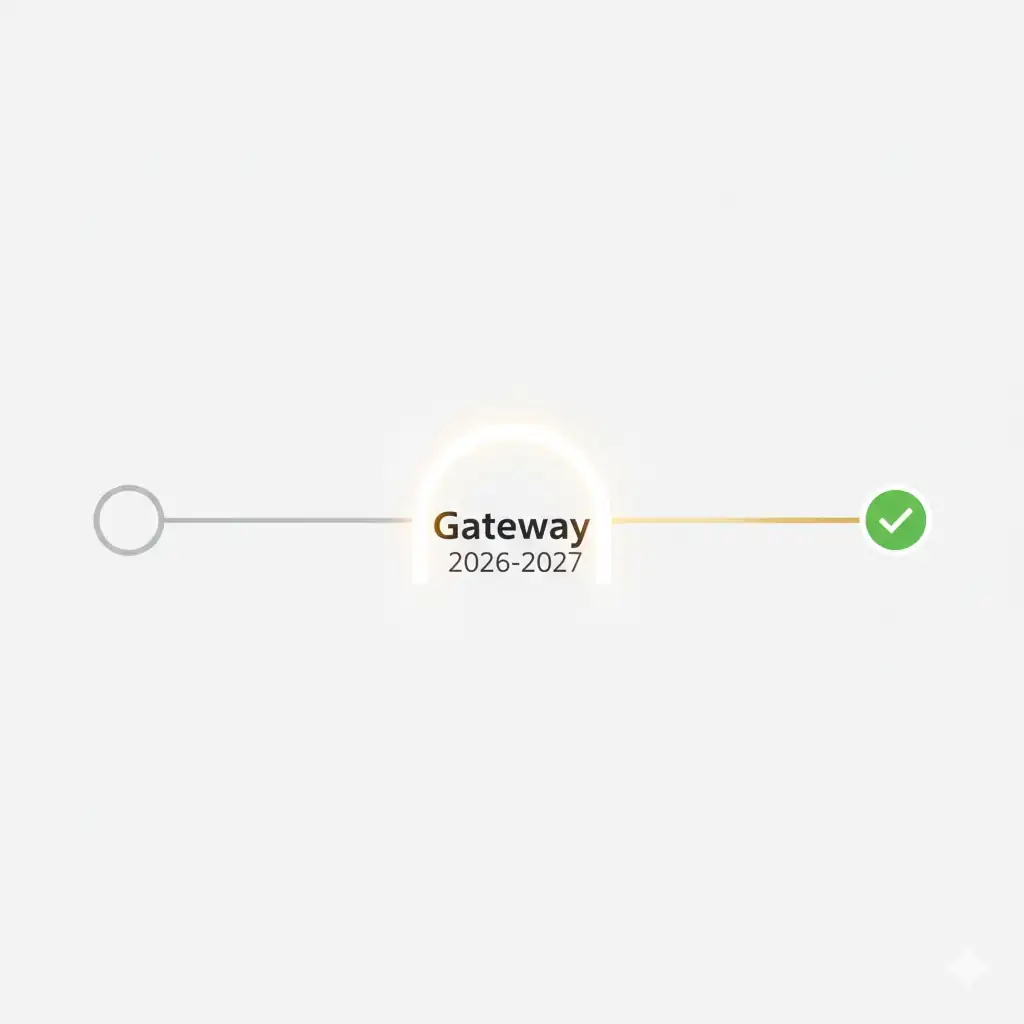
To help firms transition gradually, the government has provided a specific "cryptoasset gateway" for applications. Here are the primary factors to consider regarding the timeline:
| Milestone | Date / Period |
|:--- |:--- |
| Application Gateway Opens | September 30, 2026 |
| Application Gateway Closes | February 28, 2027 |
| New Regime Comes into Force | October 25, 2027 |
Firms that submit a complete application during the designated five-month window and are awaiting a final decision by the October 2027 start date will be granted a "saving provision," allowing them to continue their operations during the review process.
### A Call for Urgency Amid Perceived Delay
While a clear roadmap exists, some experts suggest that the UK's cautious approach may carry risks. It is important to note that a "one-size-fits-all" speed does not exist in global regulation, but being too slow can sometimes lead to missed opportunities.
- **Global Competition:** Former Chancellor George Osborne has warned that the UK risks falling behind jurisdictions like Hong Kong, Singapore, and the US, which have already introduced products like spot-Bitcoin ETFs.
- **Industry Friction:** Leaders such as Coinbase CEO Brian Armstrong have pointed to "outdated views" within regulatory bodies as a potential hurdle for growth.
- **Risk Management:** The Bank of England remains cautious regarding stablecoins. Governor Andrew Bailey continues to highlight financial stability risks, placing the UK in a more conservative position compared to some international peers.
### Contrast with US Strategy: Demolition and Construction

On the other hand, the United States has recently unveiled a more aggressive, top-down strategy to accelerate crypto adoption. Bo Hines, the Executive Director of Digital Assets, has detailed a three-phase plan that prioritizes speed and the removal of barriers.
#### The Three-Phase US Strategy
1. **Demolition Phase:** This involves removing "blue tape"—outdated regulations like "Operation Chokepoint 2.0" that restricted firms' access to traditional banking services.
2. **Construction Phase:** This stage focuses on building new infrastructure, specifically a framework for stablecoins to modernize the payment system and support a digital dollar.
3. **Implementation Phase:** This includes proposed legislation, such as the CLARITY Act, to provide long-term tax reforms and regulatory certainty.
### Internal Ecosystem Strife: The Shiba Inu Governance Challenge
Beyond government policy, the health of the industry depends heavily on internal community trust. Recently, the Shiba Inu ecosystem faced a period of tension regarding leadership and fairness.
The conflict arose when advisors Shytoshi Kusama and Kaal Dhairya promoted an Initial DEX Offering (IDO) for a project known as POE. This led to concerns from other community projects, such as WoofSwap, regarding perceived favoritism. In response, Kaal Dhairya urged the community to avoid internal division and proposed using the Shiba Inu DAO to decentralize decisions through an ethical framework called the "Great Canine Code".
The subsequent failure of the POE project serves as a reminder that transparency and neutral governance are just as vital as clear government regulations.
### Market Impact and Forward Outlook
For those navigating this landscape, the UK’s 2027 start date offers a rare level of long-term predictability. However, it requires firms to begin their preparations early. Generally, most experts agree that firms should:
- Scope activities against the new regulated categories.
- Assess capital and prudential requirements.
- Prepare high-quality applications well before the September 2026 gateway opens.
While the UK emphasizes a "firm and proportionate" approach to systemic risk, the US is leaning toward rapid experimentation. This divergence may lead to "regulatory arbitrage," where capital flows toward the regime that best fits a firm's specific risk profile.
Ultimately, whether you are managing a digital portfolio or a blockchain firm, it’s important to consult with legal and financial professionals to ensure your specific path is compliant with these emerging rules. We are moving toward a period of defined trajectories, and staying informed is the best way to ensure a stable future.
| DISCLAIMER: The information on this website is provided as general market commentary and does not constitute investment advice. We encourage you to do your own research before investing. |
Recommended reading






Markets
2026-03-07
Latest News