• Blockchain AI Convergence: Fact-Check & Market Guide (2026)
• SEC v. Ripple Case Ends: XRP Outlook & Monero 51% Attack (2026)
• XRP ETF Forecasts & Bitmine’s $20B ETH Bet: 2026 Analysis
• PsiQuantum has started building its million-qubit quantum facility. Scientists say a machine this po
• DoorDash, Chainlink & Oblong Market Shifts Guide (2026)
• Crypto Market News: Regulatory Shifts & Corporate Volatility (March 2026)
• DoorDash, Chainlink & Oblong Market Shifts Guide (2026)
• Crypto & Tech Market Trends 2026: Pi, XRP, Robotaxi Safety
• China's central bank says it will firmly maintain the stable operation of financial markets
• Corporate Crypto Treasuries: ETH & BTC Strategy Guide (2026)
# Tech and Crypto Evolution: A Clear Guide to AI Talent, Chip Policy, and Regulatory Milestones

The technology and cryptocurrency landscapes are being reshaped by powerful forces: the fierce competition for specialized talent, the intensifying geopolitical battle over critical hardware, and the gradual maturation of regulatory frameworks. This week, three significant developments—OpenAI’s selective bonuses, Intel’s leadership scrutiny under U.S. chip policy, and XRP’s official recognition as a commodity—highlight these trends. These shifts offer critical insights into the strategic priorities of industry leaders and the evolving rules of engagement for digital assets as we move further into 2026.
## OpenAI's Selective Bonuses Aim to Secure Key AI Talent

As the artificial intelligence race accelerates, retaining the researchers and engineers who build these complex systems has become a paramount concern. OpenAI has taken a notable step in this direction with a new, selective bonus program [announced by CEO Sam Altman](https://coincentral.com/sam-altman-announces-selective-bonuses-to-retain-ai-engineers-and-researchers/12025-08-08).
### Structure of the Retention Program
The program is timed around the launch of the highly anticipated GPT-5 model and is designed to retain employees in critical roles within applied engineering, scaling, and safety teams. Key features include:
- **Distribution**: Bonuses are distributed quarterly over a two-year period.
- **Flexibility**: Recipients can choose to receive payouts as cash, stock, or a combination of both, as detailed in the [program announcement](https://coincentral.com/sam-altman-announces-selective-bonuses-to-retain-ai-engineers-and-researchers/12025-08-08).
- **Eligibility**: The program is not universal; reports indicate only about one-third of OpenAI's roughly 3,000 full-time staff will be eligible.
### The Rising Cost of Expertise
The scale of these rewards reflects the unprecedented market for AI expertise. Generally speaking, most experts agree that human capital is currently the primary bottleneck for AGI (Artificial General Intelligence) development.
| Role Type | Estimated Bonus Value |
| :--- | :--- |
| Applied Engineers | Hundreds of thousands of dollars |
| Top Researchers | Mid single-digit millions |
| Elite Industry Packages | Up to $250 million over several years |
While these targeted incentives can boost productivity among recipients, they also introduce complex questions about internal culture for the remaining two-thirds of the staff.
## Intel's Leadership Faces Scrutiny Amid U.S. Chip Policy Push
In the semiconductor sector, geopolitics and corporate leadership are colliding. Intel, a cornerstone of the U.S. chip industry, finds its CEO, Lip-Bu Tan, under public pressure regarding business connections with Chinese firms amidst a push for technological independence, as reported in coverage of the [U.S. chip policy push](https://coincentral.com/intels-leadership-under-scrutiny-as-trump-pushes-for-us-first-chip-industry-policies/12025-08-08).
### Geopolitical Pressures and Industrial Policy
The United States is intensifying efforts to reshore semiconductor manufacturing. Proposed strategies include aggressive measures such as 100% tariffs on imported semiconductors, with exemptions only for companies committed to U.S.-based production, a key part of the [current policy discussions](https://coincentral.com/intels-leadership-under-scrutiny-as-trump-pushes-for-us-first-chip-industry-policies/12025-08-08). This policy targets approximately $60 billion in annual U.S. chip imports.
### Strategic Leadership Adjustments
In response to these pressures, Tan has implemented a more hands-on management approach to ensure reliability and alignment with national goals:
1. **Direct Oversight**: A new policy requires personal CEO review and approval of all major chip designs before manufacturing.
2. **Government Engagement**: Active dialogue with U.S. officials to clarify concerns and reaffirm Intel's domestic commitment.
Navigating this landscape requires balancing rapid technological innovation with the demands of a new era of industrial policy.
## CFTC Recognition Solidifies XRP's Status as a Commodity
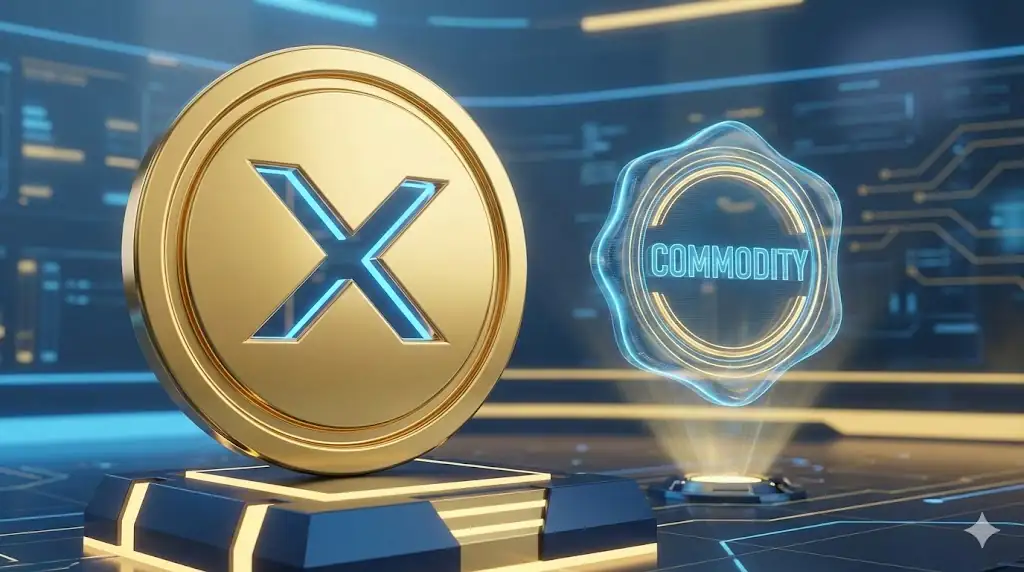
The cryptocurrency market recently received a dose of regulatory clarity as XRP achieved a significant milestone: official recognition as a commodity by the U.S. Commodity Futures Trading Commission (CFTC), following [Crypto.com's application](https://coincentral.com/xrp-officially-recognized-as-a-commodity-in-crypto-coms-cftc-filing/12025-08-08).
### The Path to Commodity Classification
This classification arose from Crypto.com's application to the CFTC for certification of its "XRP Event Contracts." The approval formally places XRP within the same regulatory framework as Bitcoin and Ethereum, as confirmed in the [official CFTC filing](https://coincentral.com/xrp-officially-recognized-as-a-commodity-in-crypto-coms-cftc-filing/12025-08-08).
### Key Implications for Investors
- **Regulatory Jurisdiction**: By being recognized as a commodity, XRP is generally considered to fall outside the purview of the SEC as a potential security.
- **Institutional Access**: This status paves the way for the listing of XRP futures, options, and other regulated derivative products on established exchanges.
- **Market Legitimacy**: The move enhances XRP's standing in the eyes of institutional investors and provides a reference point for other digital assets seeking clear regulatory pathways.
## Summary and Forward-Looking Considerations
These three developments paint a picture of an industry in rapid, competitive evolution. The AI talent wars signal that financial resources will continue to be deployed aggressively to secure a small cohort of experts. In semiconductors, leadership stability is now tied directly to geopolitical alignment. Finally, XRP’s commodity status marks incremental progress toward a defined U.S. regulatory regime.
**Factors to consider for the future:**
- **Internal Equity**: How selective bonuses impact morale at leading AI firms.
- **Supply Chain Shifts**: The success of "onshoring" efforts in the semiconductor space.
- **Product Innovation**: The arrival of new regulated financial instruments for XRP.
It’s important to consult with your financial advisor or legal counsel when navigating these shifting regulatory and technological landscapes.
| DISCLAIMER: The information on this website is provided as general market commentary and does not constitute investment advice. We encourage you to do your own research before investing. |
Recommended reading





Altcoins
2026-03-12
Latest News