Ethereum is at a make-or-break moment as it navigates a high-risk balancing act.
Ethereum at a Crossroads: Scaling, Quantum Threats, and AI Ambitions Collide
Ethereum is facing its most complex moment yet. In early 2026, structural pressures are converging: scaling debates, quantum computing, and AI. Vitalik Buterin kicked off the year with sharp criticism of Layer 2 rollups, warning that many rely on centralized components and isolated environments—failing to inherit Ethereum's security and fragmenting the ecosystem.
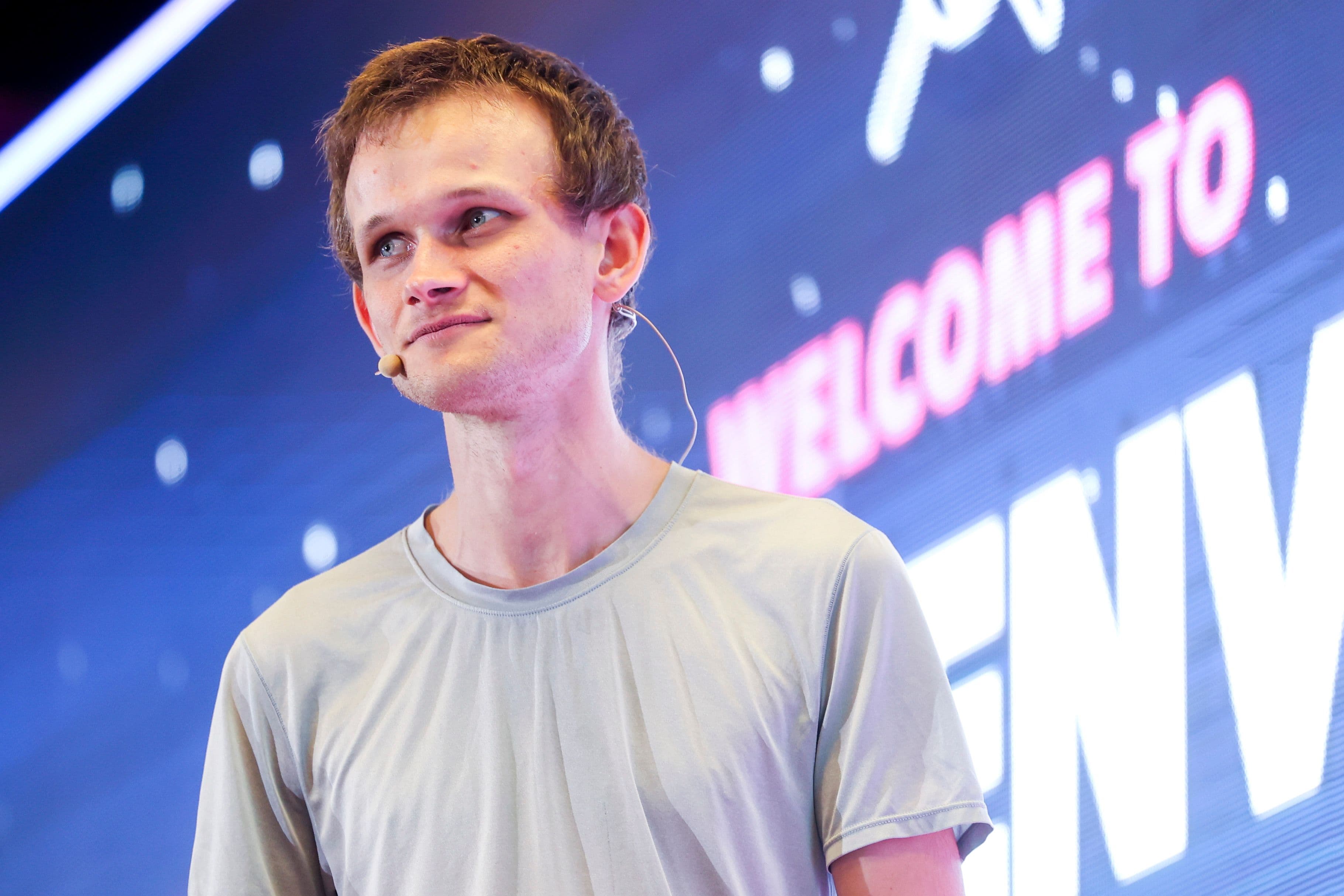
At the same time, the Ethereum Foundation is accelerating work on post-quantum security, pushing research on LeanVM and new signature schemes. Internally, the departure of co-Executive Director Tomasz Stańczak after just a year signals a reprioritization. The Foundation is also leaning into decentralized AI, aiming to make Ethereum the "trust layer" for AI—verifying outputs, coordinating agents, and enabling machine-to-machine economies.
These issues aren't separate anymore. They're pulling Ethereum in multiple directions at once. This isn't about short-term momentum; it's structural. The upcoming Glamsterdam upgrade will be a key test: can Ethereum transform into a resilient, post-quantum trust layer for the global AI economy? The stakes have never been higher.
| DISCLAIMER: The information on this website is provided as general market commentary and does not constitute investment advice. We encourage you to do your own research before investing. |
Recommended reading

Latest News