• Blockchain AI Convergence: Fact-Check & Market Guide (2026)
• SEC v. Ripple Case Ends: XRP Outlook & Monero 51% Attack (2026)
• XRP ETF Forecasts & Bitmine’s $20B ETH Bet: 2026 Analysis
• PsiQuantum has started building its million-qubit quantum facility. Scientists say a machine this po
• DoorDash, Chainlink & Oblong Market Shifts Guide (2026)
• Crypto Market News: Regulatory Shifts & Corporate Volatility (March 2026)
• DoorDash, Chainlink & Oblong Market Shifts Guide (2026)
• Crypto & Tech Market Trends 2026: Pi, XRP, Robotaxi Safety
• China's central bank says it will firmly maintain the stable operation of financial markets
• Corporate Crypto Treasuries: ETH & BTC Strategy Guide (2026)
# Crypto Assets and ETFs: A Clear Guide to Emerging Treasury Strategies
The digital asset market is shifting from a Bitcoin-centric model to a diversified ecosystem focused on functional utility. Recent developments, such as Mill City Ventures III’s $450 million investment in the Sui blockchain, signal a growing corporate interest in high-performance Layer 1 networks. Simultaneously, new filings for Solana and Injective ETFs aim to integrate staking rewards, offering investors passive income within a regulated framework. While the SEC continues to exercise caution with review delays for projects like the Truth Social Bitcoin ETF, the overall trend points toward a more mature, multi-asset financial landscape supported by institutional infrastructure.
In the rapidly evolving landscape of digital finance, the way corporations and institutional investors approach blockchain technology is undergoing a significant transformation. Just as we look for balance and quality in every other aspect of our lives, the financial sector is increasingly seeking "nutritional" diversity in its balance sheets. This guide explores recent pivotal shifts, including the entry of the Sui blockchain into corporate treasuries and the move toward Solana-based exchange-traded funds (ETFs) that incorporate staking rewards.
Understanding these developments is essential for any investor looking to navigate the complexities of the current market. Generally speaking, most experts agree that the transition from a Bitcoin-only strategy to a multi-asset approach signals a maturing ecosystem that prioritizes functional utility alongside store-of-value assets.
## The Evolution of Corporate Digital Reserves
For several years, the blueprint for corporate crypto adoption was largely defined by a "Bitcoin-first" mentality. Pioneers like MicroStrategy (now known simply as Strategy) set the pace, currently holding over 607,000 BTC, a treasury valued at more than $71 billion. However, a new phase is emerging where firms consider the specific technical capabilities of a blockchain when selecting assets for their reserves.
### Sui Joins the Ranks of Strategic Assets
A landmark development in this shift is the recent commitment by Mill City Ventures III. The Nasdaq-listed lender has announced a $450 million investment to acquire Sui (SUI) on the open market. This move is particularly notable because it positions Sui—currently the 15th largest digital asset by market capitalization—as a cornerstone of a corporate treasury strategy.
Sui was developed by a team of former Facebook engineers and is designed to address the limitations of earlier blockchains. Here are some factors to consider regarding its institutional appeal:
- **High Throughput**: Designed to handle complex, high-volume applications efficiently.
- **Scalable Smart Contracts**: Optimized for speed and low transaction costs.
- **AI Integration**: The architecture is uniquely suited for advanced applications involving artificial intelligence.
### Market Impact and Institutional Backing
The market response to Mill City’s announcement was immediate. The company’s stock rose 11 percent on the day of the announcement and saw a significant gain of nearly 270 percent over a five-day period. This initiative was led by Karatage, an affiliate of Mill City, in collaboration with the SUI Foundation. The presence of other prominent firms—such as Galaxy Digital, Pantera Capital, and FalconX—highlights a robust institutional appetite for Layer 1 networks that offer more than just speculative value.
## A New Era for Exchange-Traded Funds
As corporate treasuries diversify, the vehicle through which retail and institutional investors access these assets is also evolving. We are moving beyond simple spot ETFs toward products that offer active participation in the network's security and rewards.
### The Invesco Galaxy Solana ETF and Staking Utility
Cboe BZX Exchange recently submitted a filing to the SEC for the Invesco Galaxy Solana ETF. What sets this proposal apart is its inclusion of a staking feature. Unlike traditional spot ETFs that merely track the price of an asset, this fund plans to stake a portion of its Solana (SOL) holdings with selected providers to generate income for the trust.
| Feature | Invesco Galaxy Solana ETF Details |
|:--- |:--- |
| **Sponsor** | Invesco |
| **Administrator** | Fidelity |
| **Valuation** | Lukka Prime Solana Reference Rate (every 15 seconds) |
| **Storage** | Segregated cold wallets |
| **Income Source** | Staking rewards returned to the trust |
Cboe BZX argues that Solana’s market structure is resilient, citing its global liquidity and daily trading volumes that exceed $2 billion. By providing a regulated path to staking, this ETF could offer investors a way to earn passive income without the technical hurdles associated with self-custody.
### Injective and the Expansion of Altcoin ETFs
The trend is not limited to Solana. Canary Capital Group has also moved forward with a proposal for an Injective (INJ) Staking ETF. This reflects a growing confidence in the regulatory environment and a desire to bring the benefits of decentralized finance (DeFi) to traditional investment wrappers. These filings leverage recent SEC commentary regarding staking, suggesting a potential opening for more complex digital asset products in the U.S. market.
## Understanding the Regulatory Landscape
While the momentum for new products is strong, the path to approval remains a measured, step-by-step process. The SEC continues to apply rigorous review timelines to ensure investor protection and market stability.
### SEC Delays for Truth Social and Grayscale
It is common for the SEC to extend its review periods. We have recently seen this with two high-profile applications:
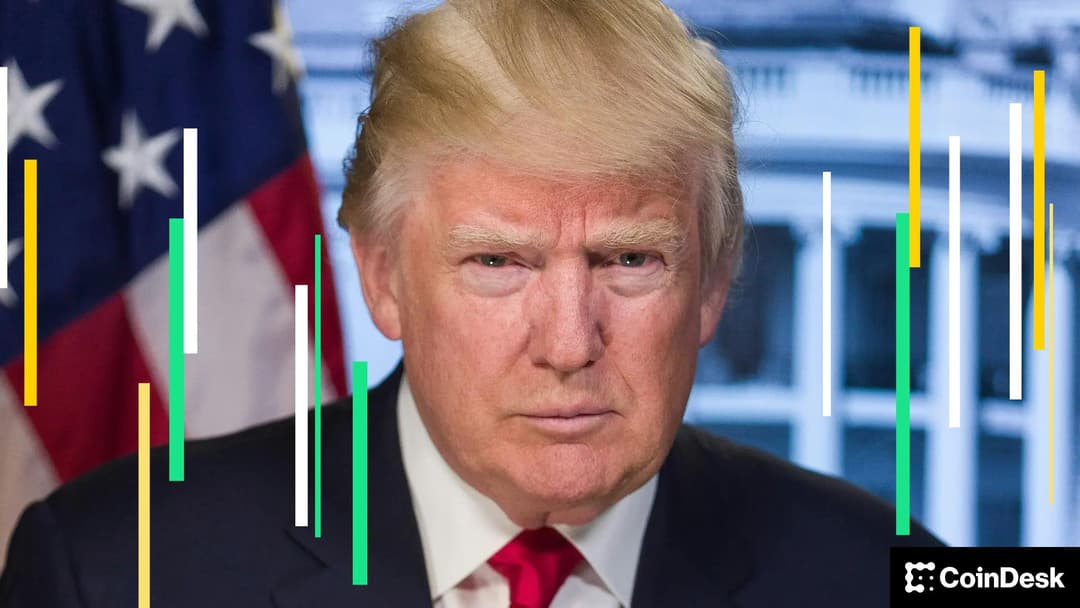
1. **Truth Social Bitcoin ETF**: Filed by Trump Media & Technology Group in June, the decision on this proposal has been postponed until September 18. This delay allows the SEC more time to analyze the proposed rule changes, especially given the platform’s unique public profile.
2. **Grayscale Solana Trust**: The decision for this fund, which aims to provide spot Solana exposure, has been pushed to October 10.
These delays should be viewed as a standard part of the regulatory framework. Since January, the SEC has already approved 12 spot Bitcoin ETFs, which have seen over $54.8 billion in cumulative inflows. The current waiting period for altcoin ETFs like those for Solana and Injective is a natural progression as the regulator evaluates assets beyond Bitcoin and Ethereum.
## Strategic Considerations for Your Portfolio
When considering these market developments, it is helpful to maintain a balanced perspective. Transitioning to any new asset class or investment vehicle should be done gradually, ideally over a period of careful observation and research.
- **Look for signs of institutional health**: The entry of public companies like Mill City Ventures into specific tokens often precedes broader market adoption.
- **Consider the yield factor**: Staking-enabled ETFs represent a shift from purely capital appreciation to a total-return model.
- **Monitor regulatory milestones**: Dates like September 18 and October 10 are key markers for the next wave of market accessibility.
**A Note on Professional Guidance**: While these developments are exciting, it's important to consult with your financial advisor before making significant changes to your investment strategy. Every investor's "financial diet" depends on their individual goals, risk tolerance, and time horizon.
## Summary of Key Takeaways
- **Diversification is increasing**: Firms are looking beyond Bitcoin to functional assets like Sui for treasury reserves.
- **Passive income is going mainstream**: New ETF filings for Solana and Injective aim to bring staking rewards to regulated markets.
- **The SEC is being thorough**: Delays for Truth Social and Grayscale are part of a standard, cautious approval process.
- **Infrastructure matters**: Assets with high technical utility and strong developer backing are leading the next institutional wave.
As the market continues to mature, we can expect to see a more nuanced approach to digital assets—one that values the health of the underlying network as much as its price action. Always ensure you have a clear understanding of the risks involved, and remember that a well-balanced portfolio is the foundation of long-term financial well-being.
| DISCLAIMER: The information on this website is provided as general market commentary and does not constitute investment advice. We encourage you to do your own research before investing. |
Recommended reading



Altcoins
2026-03-12
Latest News